
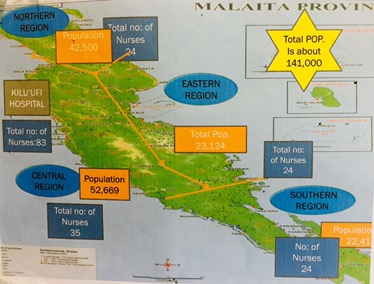
 Whilst in Honiara, I had the opportunity to look around the National Referral Hospital. The first thing I noticed about the hospital was an eerie calm. Having come from working in emergency nursing in Australia and experienced healthcare in the UK, Africa and India, this was not what I was expecting. Outside emergency there are rows and rows of long wooden benches, every space filled. A nurse sits at a small wooden desk, her face covered with a mask, patiently assessing each patient in turn. A high pile of patient records sit in a tray next to her. I am told that the triage system is currently a work in progress. We duck into the three bedded resus area. Two beds are taken and a nurse sits writing notes. There are monitor screens above the beds but they are off, not an IV drip in sight. The familiar beeping of the machines and urgent voices I am used to are unheard. As we move through the hospital, each ward is full. 10 maybe 15 iron beds with thin plastic mattresses and no bedding. There is only one nurse in each ward and families gathered around each bed. The rooms are packed and yet there is barely a whisper. No one is rushing, shouting, ringing bells or asking for anything. I am, however, mildly optimistic about the cleanliness of the wards and the apparent resources they have. It is a far, far cry from home but better than some hospitals I have seen. This is not my worse case scenario. At first I feel relieved at the peacefulness of the environment, however, there is an uneasy feeling in the pit of my stomach as I continue on.
What does the silence hide?
Amazingly, general clinic services and hospitalisation are provided free to all Solomon Islanders. However, with only 1 doctor to every 7,510 people and 1 nurse for every 883 people, it’s easy to see that there is a critical shortage of health workers. Public health priorities include a clean water supply, improved health facilities and the reduction of TB, Malaria, HIV/AIDS and STI’s. In addition to this, non-communicable diseases are also on the rise with 56% of the population at risk, 67% overweight and 33% diabetic (www.who.int/chp/chronic_disease_report/en)
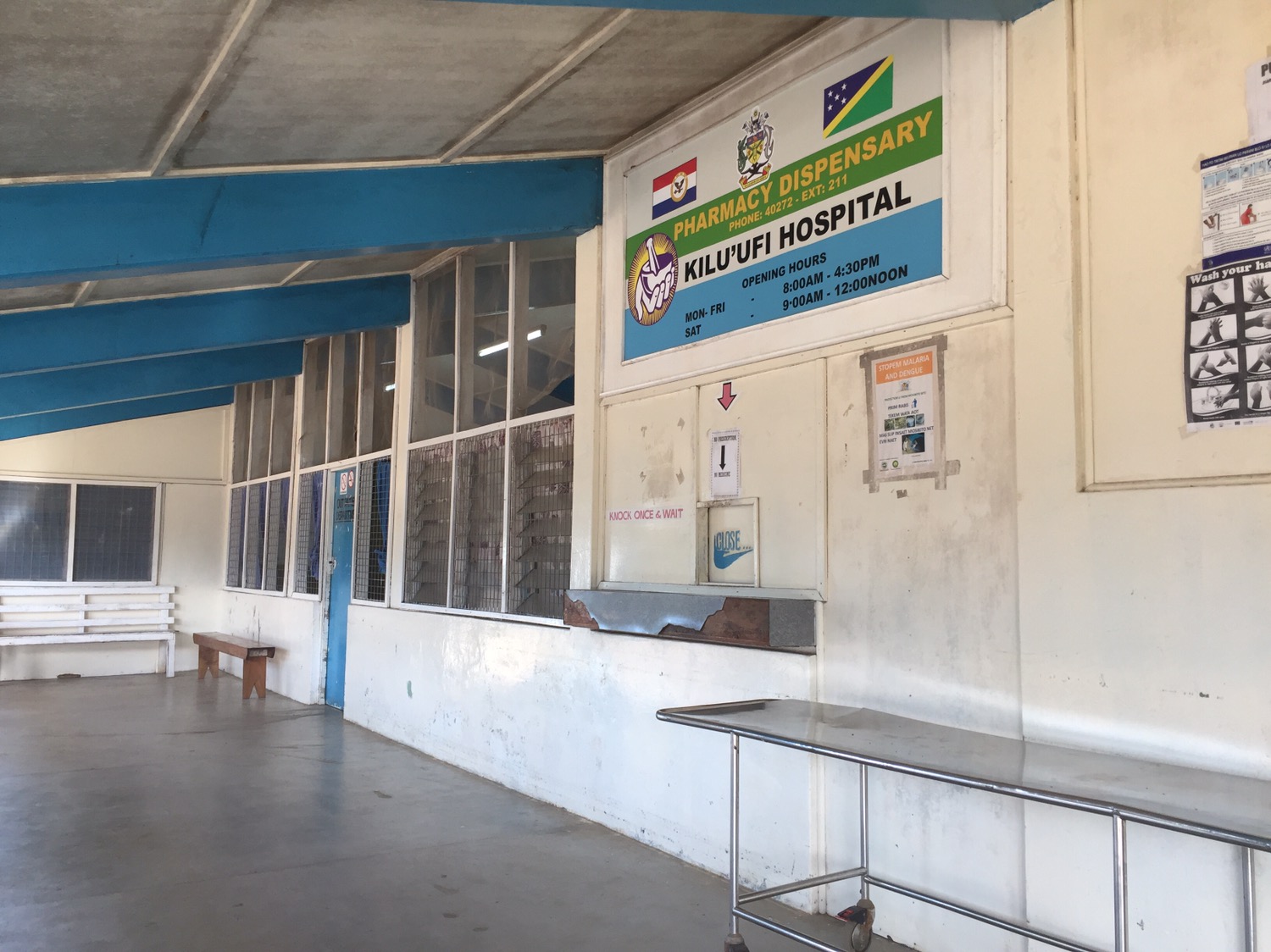
On my first day, I am provided with a very small pile of the most recent policies, procedures and guidelines. To my dismay, these have not been updated in the
last 14 years. They do not have any mandatory training to complete, no annual renewal of their registration or any kind of clinical education at all. In my tiny office (which I share with three others), there are 4 brand new computers, all set up to access on line training. Yet, due to lack of space, they are left untouched. During a tour of the hospital, I can see projects which were started by a previous volunteer, abandoned, forgotten and ignored. I will not panic! I believe that if you set your mind to something, you can achieve it. Can’t you? I plan to try.
In other news this week: Zumba! To my surprise and delight, keeping fit is on the agenda for the people of Auki. The hospital runs classes 2-3 times a week. When I say Zumba, I’m referring to dodgy downloads of terrible dancing projected onto a bedsheet hung on the wall of the wood shed out the back. With moves such as “sexy swing”, “hip thrusts” and lots of shimmies and shakes, it’s not long before everyone has dissolved into fits of giggles. For a highly religious, highly conservative community, I find these moments of girly abandonment quite endearing.
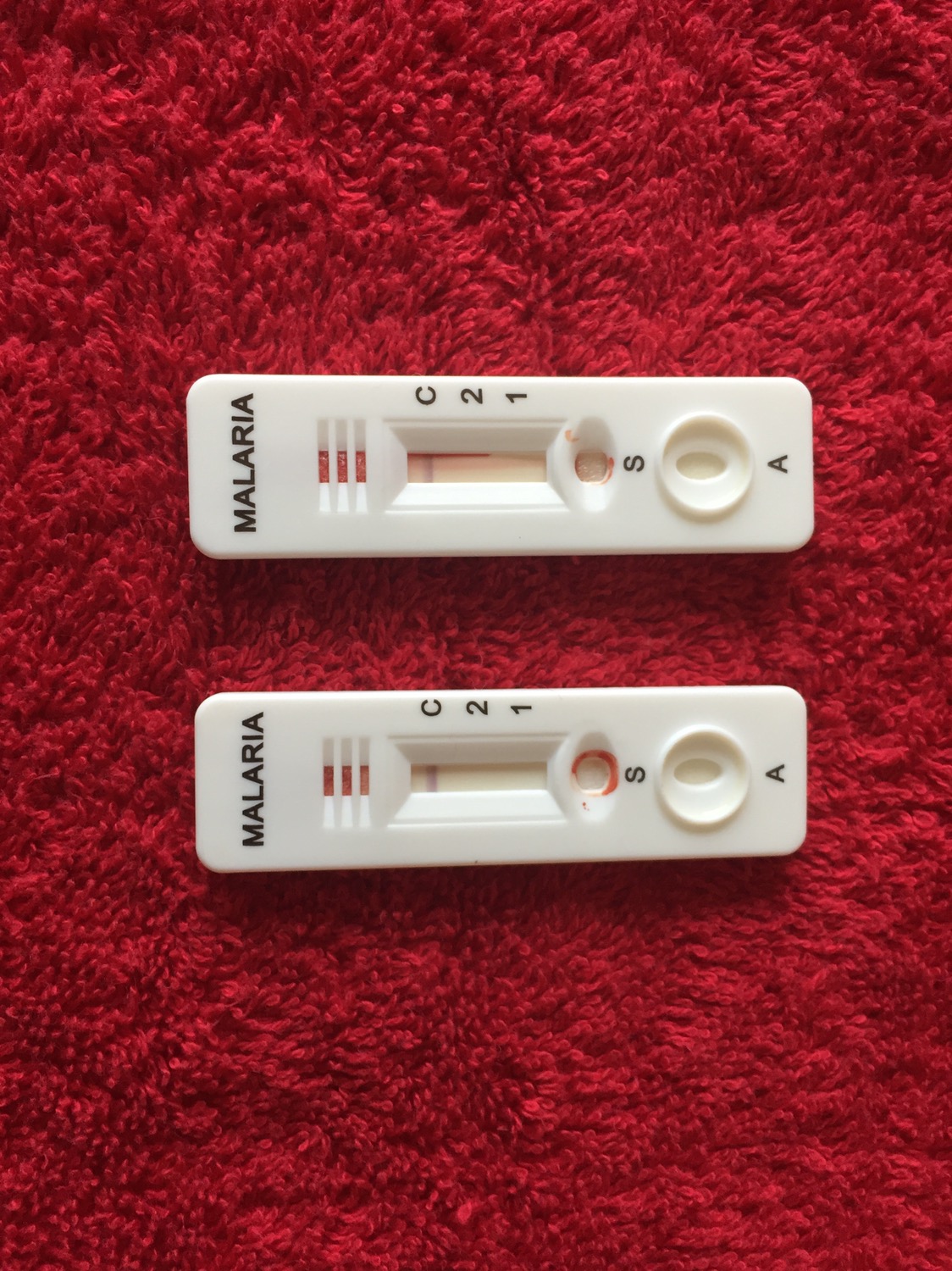
I have also not been well. I came home from work on Friday with a splitting headache, high fever, chills and nausea. I thought, of course, that I was going to die. Being a nurse, I did not want to appear “drama” so I grabbed a few malaria testing kits and headed home. Luckily (and I checked 3 times) I do not have malaria. I won’t lie to you, there have been moments of pathetic feebleness, tears have been shed and thoughts of “if I die, will it be the smell that alerts people”. Anyway, three days of lying in a dark room, throwing buckets of cold water over my head and surviving off paracetamol and hydralyte, I am hopefully on the mend. I’m just absolutely exhausted.
 annamayventure
Oh mate, I so wish I was there with you. If only for a few days to check in and see how you’re doing and give you a massive hug.
Again, the way you write is so well done. I love it. Find when i get to the end, I want tk read more! Maybe an Auuthor in the making! Hope you are feeling better. Tackle Wednesday head on. You’ve got this Sista!! x
LikeLike
Hey Ange. Thanks so much. I’ll take that massive hug please. Need it today. Still feeling pretty poo. Great to hear from you xx
LikeLike
Anna this is so interesting to read, you will have so much knowledge to share. So you will start with the polices then??
Who did you ring to let them know you were sick?? I’m sending you a PM!! Keep up the good work. X
LikeLike
Yes Rach, can you believe that me, the nurse who hated policies and procedures 😴😴, now actually not only complaining about a lack of, but actually teaching the benefits!! Will wonders ever cease.
LikeLike