
I have arrived. And it’s hot, and it’s humid, noisy and dirty. I am on Guadalcanal, staying in Honiara, the capital of the Solomon Islands. An archipelago of over 900 islands in the middle of the South Pacific. I will be here for two weeks to learn the local language, Pijn before I head out to Auki, on the Malaita Province. I am undertaking a twelve-month volunteer programme to help improve nurse education here.
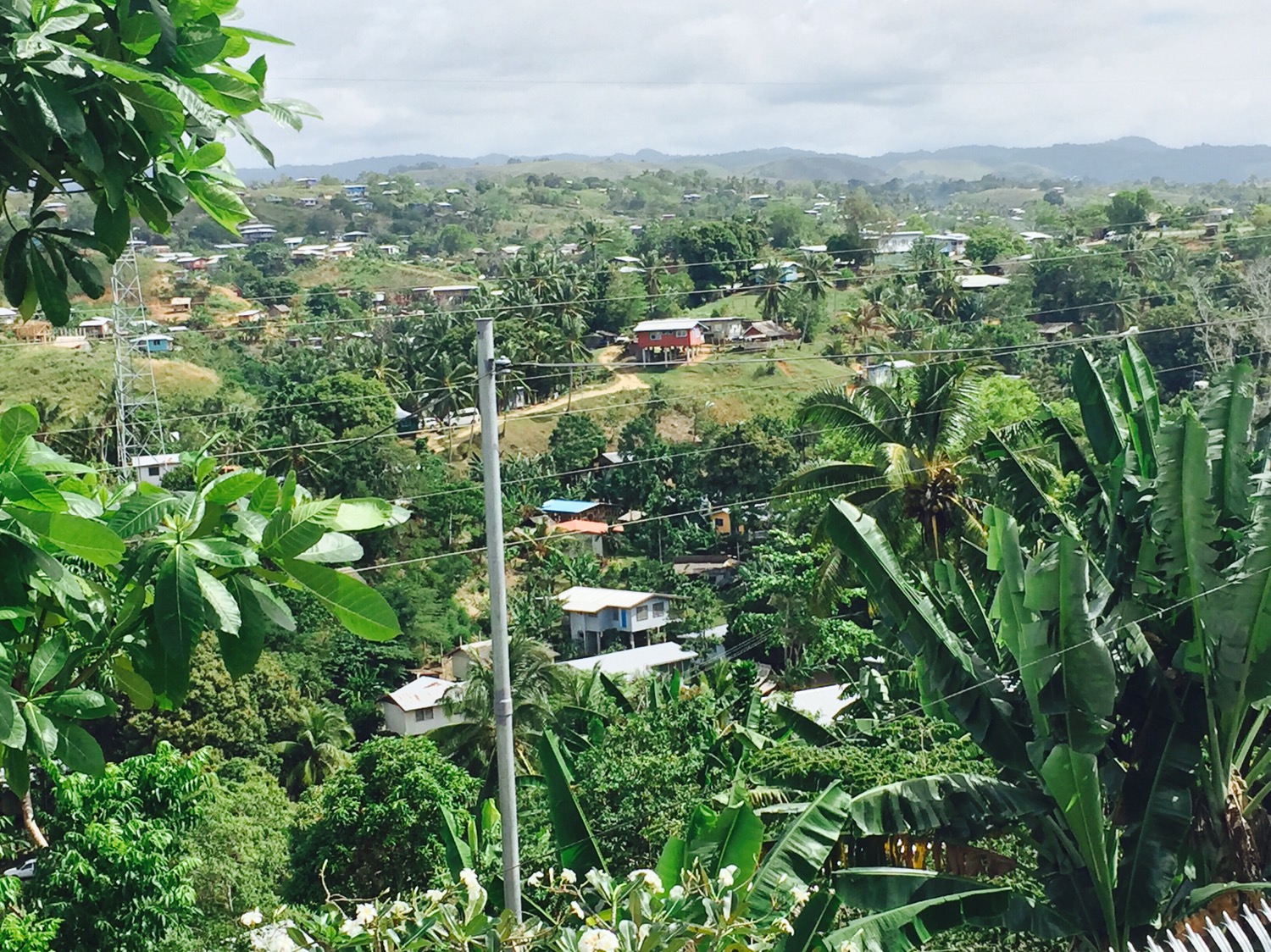 There are 6 main provinces covered in rain forested mountain ranges, mainly volcanic, deep narrow valleys and coastal belts lined with coconut palms and ringed by reefs. The Islands have a tropical climate, with hot and humid days, averaged around 29 degrees with nights cooling off to around 19 degrees. The lonely planet describes it as “an enigmatic archipelago, blessed with a compelling history, intriguing cultures and natural beauty”
Whilst here, you can trek across the mountainous landscape and tropical rain forests to visit leaf hut villages enriched in tradition and culture, swim at secluded waterfalls, island hop by traditional canoe, snorkel off palm ringed beaches in azure blue seas, dive shipwrecks, coral reefs and lagoons galore, eat fresh fish, tropical fruits and coconuts, sip cold beers from tranquil sundecks of one the many Eco lodges and resorts around. Sounds great right?
The Solomon Islands is poor, scoring very low on the Human Development Index, with many families, though not hungry or destitute, facing increasing hardship. Public sector administration and financial management remain weak. Corruption is considered epidemic. Lack of infrastructure, low labor skills, low productivity create a challenging economic and business environment. Homosexuality is not publicly accepted or acknowledged. The status of women remains inferior to men with regard to political, social and economic power. Domestic abuse is widely acknowledged as a key concern. To add to that, tropical cyclones, earthquakes and tsunamis happen regularly here. The Solomon Islands is one of the highest ranking areas for natural disasters to occur, with the least capacity to cope with them.
However, things are slowly changing, hopefully for the better. Huge financial aid programmes, government assistance and a vast influx of professional volunteers are working hard to improve life here in all areas. The future is looking brighter; it is not known locally as the Hapi Isles for no good reason. The people here are generally laid back, warm and welcoming. The music upbeat and happy and lifestyle simple but good.
Where best to spend the next twelve months than a place which is also known, more appropriately to those who know me……. The Land of Not Quite Right.
 annamayventure
Sounds like a challenging adventure but it will be amazingly rewarding! You’ll do great Anna x
LikeLike
Great read Anna x
LikeLike
What a fascinating & challenging place. I have no doubt that you are going to have a fabulous and adventurous time. looking forward to your next blog. BTW WOW only 2 weeks to learn a whole language :0 Love you & Miss you xx
LikeLike