I heard the truck before I saw it. I was sitting on the balcony, enjoying the morning breeze when a hospital vehicle trundled through the town. There was a man, standing on the back, shouting through a mega phone. He was making a public health announcement:
Dengue Fever is here! Keep your children under nets! Clear your gardens! Cover up! Use repellent!
It only takes two cases to constitute an outbreak. That’ll be the other fella, and me.
So, this wasn’t the story I was hoping to tell this week. Last week I dragged my carcass to work, only to be sent home again. Typical nurse! By Wednesday, I had developed leg cramps, back pain and bleeding gums. I thought it best to get checked out. I’ll not bore you with the details, no one likes a winger. There is no treatment for dengue but as my platelets continued to drop, the daily slog to the hospital for blood tests was trying at times. It’s not easy, being unwell in a third world country.
Two weeks later and I’m well on the mend. And do you know what? It’s been amazing. The care and support has been unbelievable. I thought about feeling isolated and alone, but I have never had the chance. The whole town seems to be concerned. My manager would have flown me straight back to Honiara in a heart beat if I’d have let her, my friends and family have called everyday. Even my insurance company has been brilliant. Jackie and Jess (the other volunteers) quickly moved me into their home so I wouldn’t be alone and I have not wanted for anything.
So here I convalesce, sitting on the balcony, staring out towards the pacific, sipping on a fresh coconut, listening to the noises drift up through the trees. I’m watching a small boy climbing a tall tree opposite. He balances on the wavy palm fronds as he hacks down coconuts with a large machete. I can’t watch. He must be only 6 years old. Thankfully he makes it down safely, waves me good morning as he collects up his haul. I know I am far from paradise, but right now, everything is ok.
So next week, back to work and I cannot wait. I came here to do a job and time is speeding on by. I hope that next week will be a more productive week and I will have a more interesting story to tell.
Whilst in Honiara, I had the opportunity to look around the National Referral Hospital. The first thing I noticed about the hospital was an eerie calm. Having come from working in emergency nursing in Australia and experienced healthcare in the UK, Africa and India, this was not what I was expecting. Outside emergency there are rows and rows of long wooden benches, every space filled. A nurse sits at a small wooden desk, her face covered with a mask, patiently assessing each patient in turn. A high pile of patient records sit in a tray next to her. I am told that the triage system is currently a work in progress. We duck into the three bedded resus area. Two beds are taken and a nurse sits writing notes. There are monitor screens above the beds but they are off, not an IV drip in sight. The familiar beeping of the machines and urgent voices I am used to are unheard. As we move through the hospital, each ward is full. 10 maybe 15 iron beds with thin plastic mattresses and no bedding. There is only one nurse in each ward and families gathered around each bed. The rooms are packed and yet there is barely a whisper. No one is rushing, shouting, ringing bells or asking for anything. I am, however, mildly optimistic about the cleanliness of the wards and the apparent resources they have. It is a far, far cry from home but better than some hospitals I have seen. This is not my worse case scenario. At first I feel relieved at the peacefulness of the environment, however, there is an uneasy feeling in the pit of my stomach as I continue on.
What does the silence hide?
Amazingly, general clinic services and hospitalisation are provided free to all Solomon Islanders. However, with only 1 doctor to every 7,510 people and 1 nurse for every 883 people, it’s easy to see that there is a critical shortage of health workers. Public health priorities include a clean water supply, improved health facilities and the reduction of TB, Malaria, HIV/AIDS and STI’s. In addition to this, non-communicable diseases are also on the rise with 56% of the population at risk, 67% overweight and 33% diabetic (www.who.int/chp/chronic_disease_report/en)
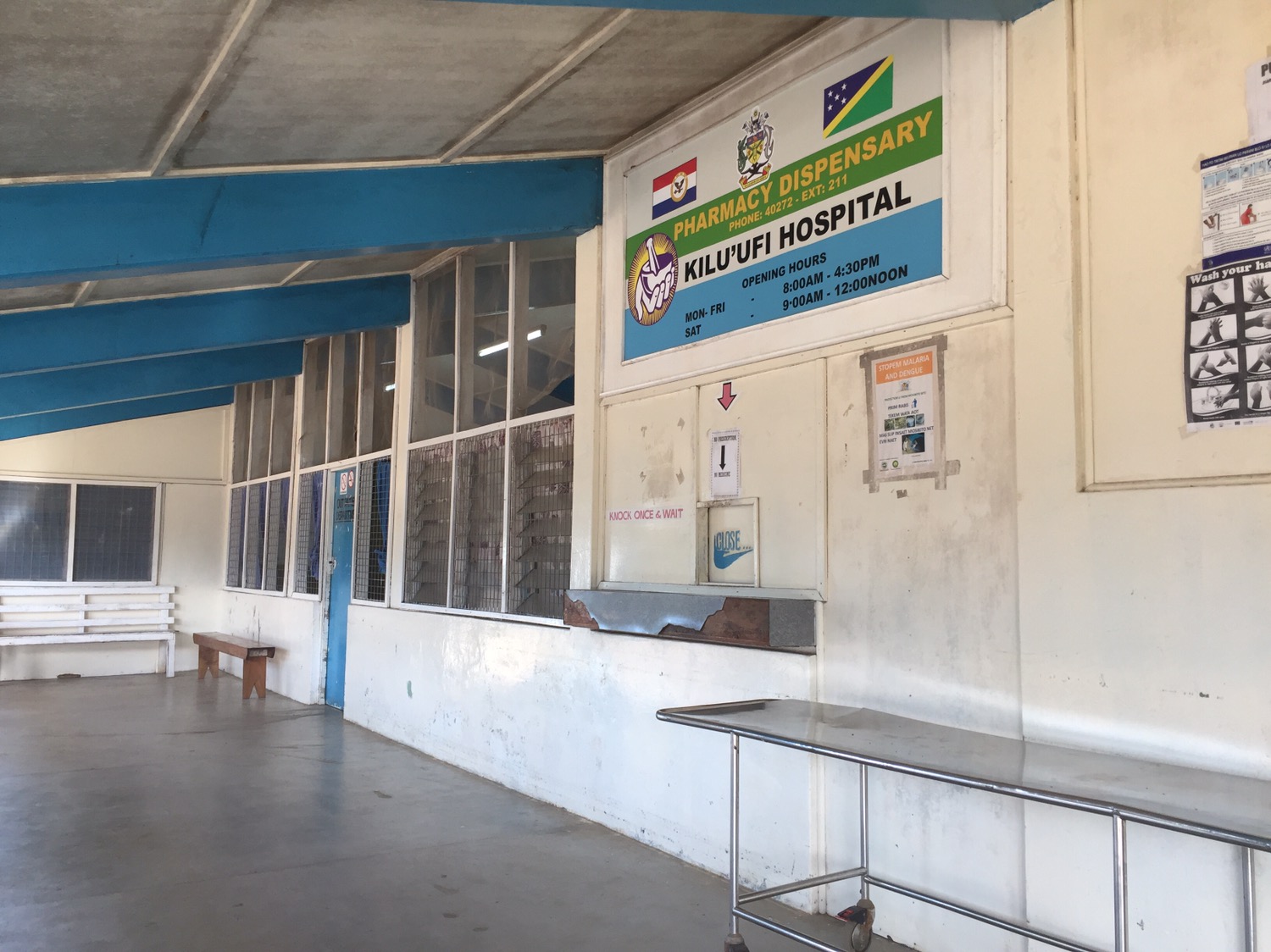
OutpatientsKilu’ufi Provincial Hospital is the main referral hospital for the Malaita Province. It serves a population of over 140,000 people
On my first day, I am provided with a very small pile of the most recent policies, procedures and guidelines. To my dismay, these have not been updated in the
last 14 years. They do not have any mandatory training to complete, no annual renewal of their registration or any kind of clinical education at all. In my tiny office (which I share with three others), there are 4 brand new computers, all set up to access on line training. Yet, due to lack of space, they are left untouched. During a tour of the hospital, I can see projects which were started by a previous volunteer, abandoned, forgotten and ignored. I will not panic! I believe that if you set your mind to something, you can achieve it. Can’t you? I plan to try.
In other news this week: Zumba! To my surprise and delight, keeping fit is on the agenda for the people of Auki. The hospital runs classes 2-3 times a week. When I say Zumba, I’m referring to dodgy downloads of terrible dancing projected onto a bedsheet hung on the wall of the wood shed out the back. With moves such as “sexy swing”, “hip thrusts” and lots of shimmies and shakes, it’s not long before everyone has dissolved into fits of giggles. For a highly religious, highly conservative community, I find these moments of girly abandonment quite endearing.
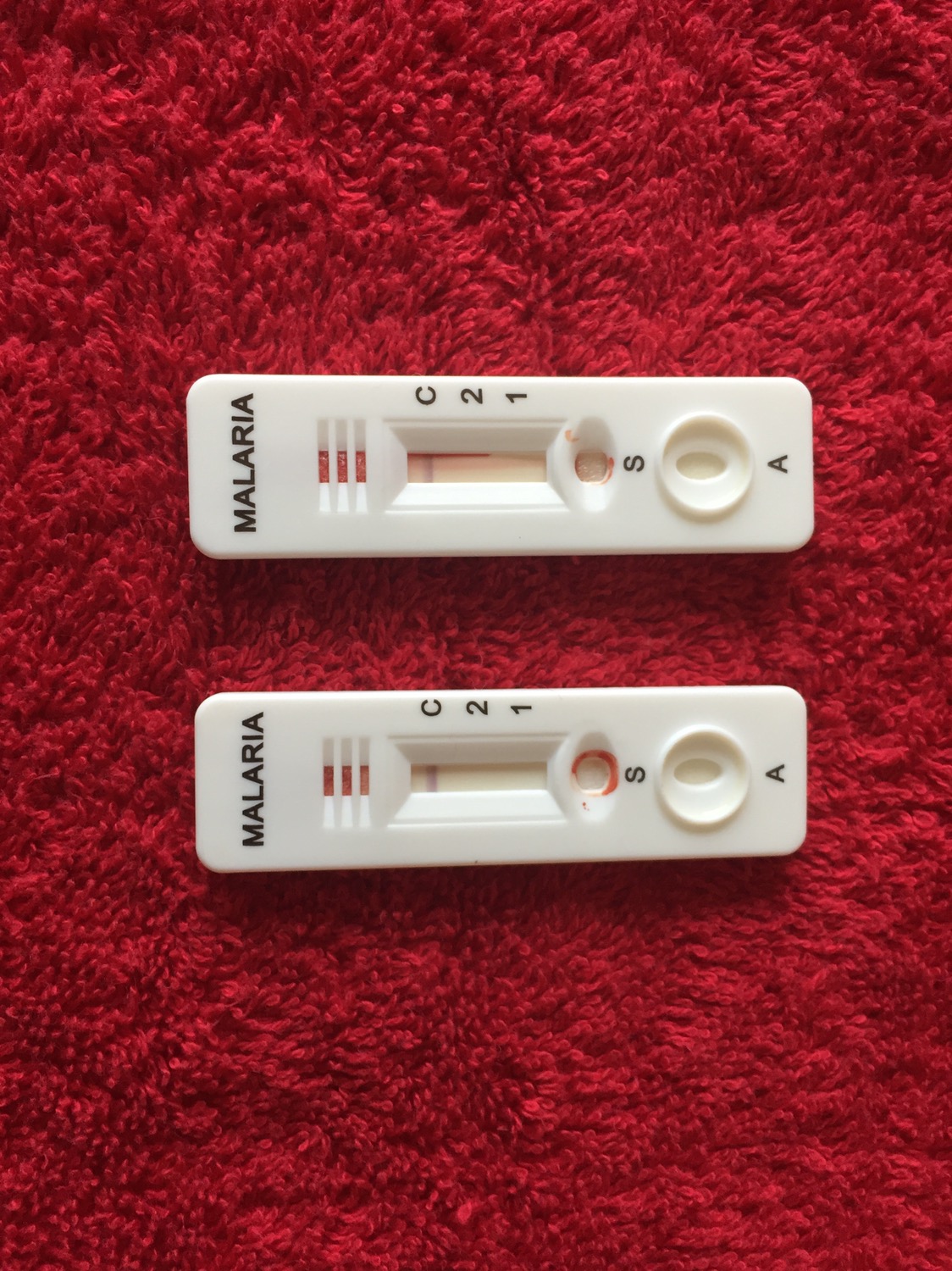
I have also not been well. I came home from work on Friday with a splitting headache, high fever, chills and nausea. I thought, of course, that I was going to die. Being a nurse, I did not want to appear “drama” so I grabbed a few malaria testing kits and headed home. Luckily (and I checked 3 times) I do not have malaria. I won’t lie to you, there have been moments of pathetic feebleness, tears have been shed and thoughts of “if I die, will it be the smell that alerts people”. Anyway, three days of lying in a dark room, throwing buckets of cold water over my head and surviving off paracetamol and hydralyte, I am hopefully on the mend. I’m just absolutely exhausted.
Thankfully negative.So, I’ve had to take a few days off work. But hopefully, when I return, they will be letting me loose in the clinical areas. I am excited and I am apprehensive. It will be great to finally meet all the staff, learn about how the hospital runs and hopefully, start practicing my pijin. Wednesday, I have my first in-service. Wish me luck!
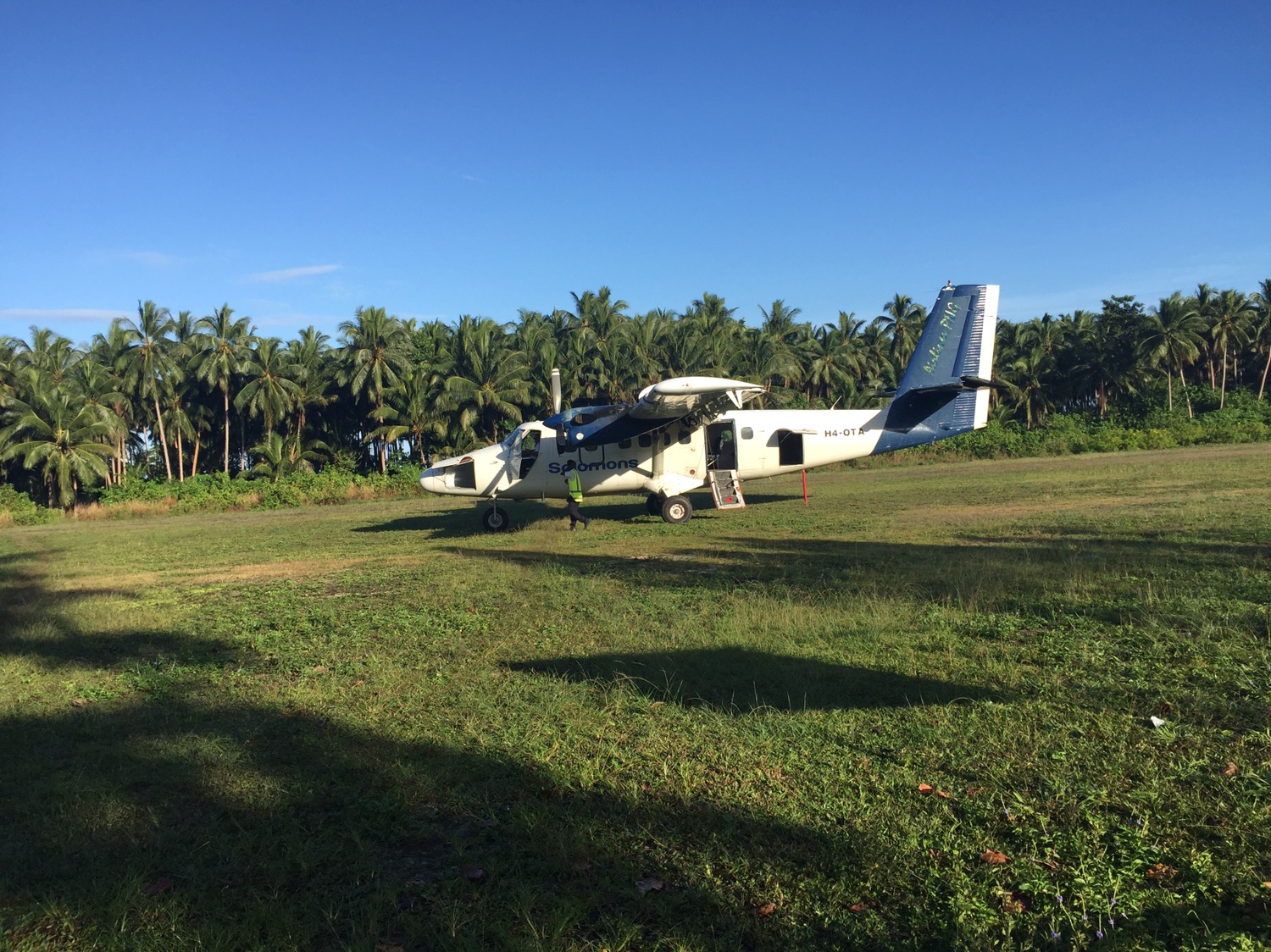
So, I left the bustling metropolis that is Honiara and boarded a small plane. The flight takes all of 25 minutes,up over the Central Province and down onto the grassy palm lined runway that is Auki. I grabbed my bag out the back of the plane and jumped onto the back of an old truck, otherwise known as the airport shuttle bus. Clinging on for dear life whilst trying to look cool, the eight other passengers and I made our way, bumping over the potholes, into town.
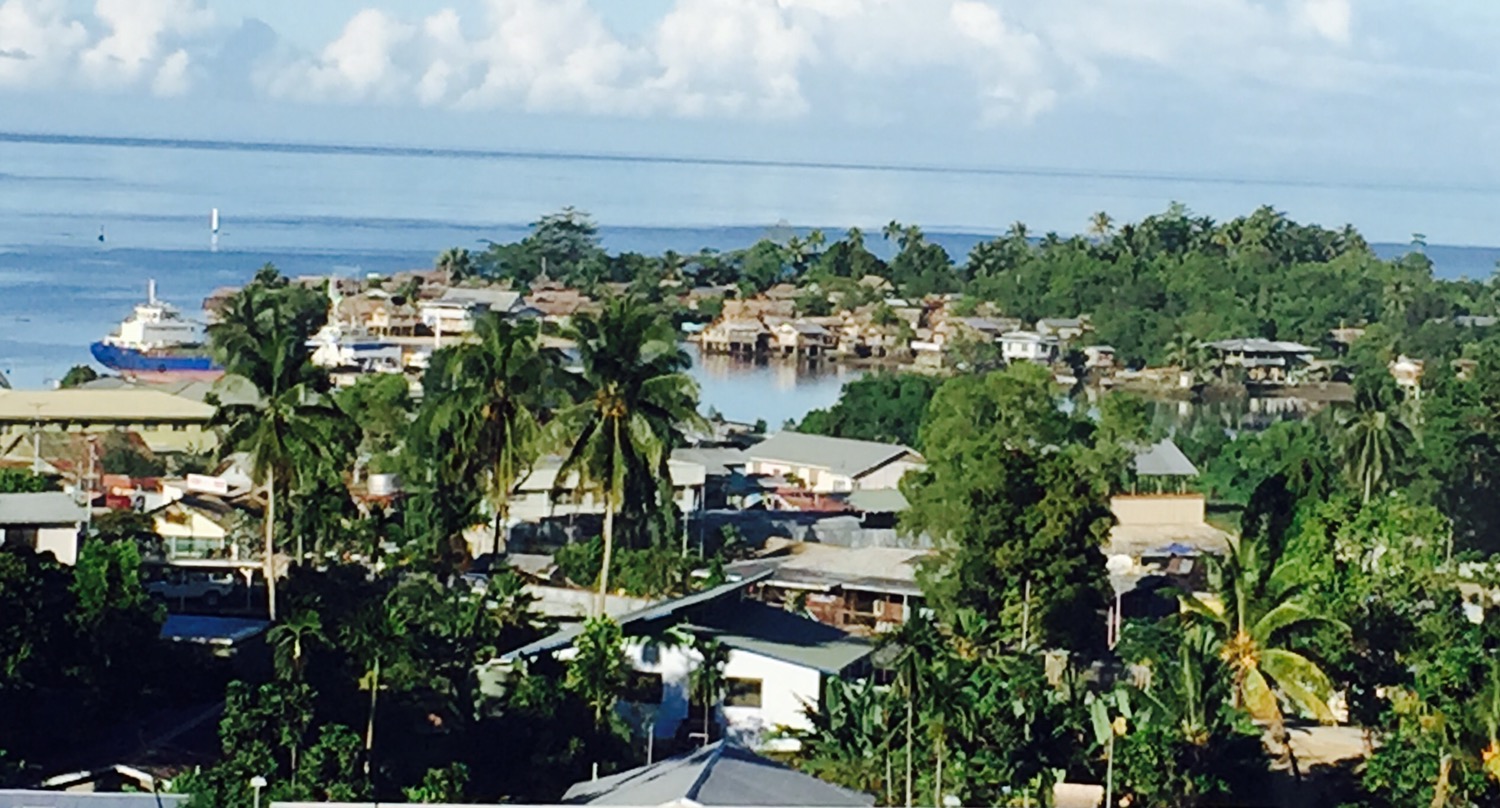
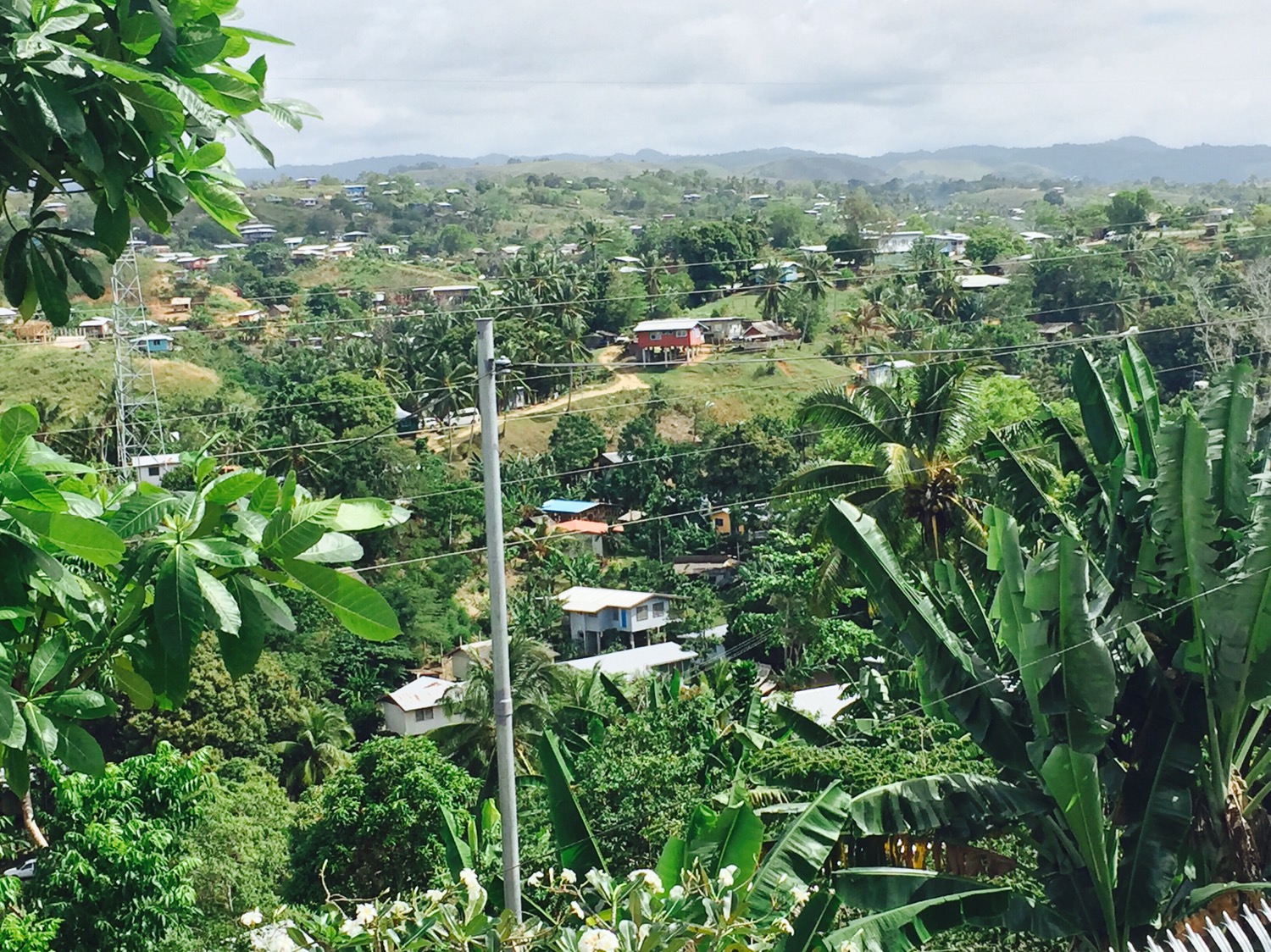
Auki is a pretty nondescript town set beside a u shaped bay, edged with leaf huts on stilts and backed by steep, jungle clad hills. The town tour takes barely an hour with only three main streets, all shops, a large market, two banks and three hotels. Sounds very cosmopolitan right? Wrong. It reminds me of an old town in the Wild West, or a forgotten part of outback Australia. The road just runs straight into the shops and the street turns into a slippery claggy clay whenever it rains. Which is three times a day!
Unfortunately, I arrive on the day that the generator breaks. This is not an unusual occurrence, but one that is normally fixed in a couple of hours. However, this time, it’s really broken and it needs new parts. The rumour mill goes into overdrive with tales of shipping it in from New Zealand, Germany, Japan. It could be weeks, maybe months. Great. There is certainly not the outraged panic stricken code red reaction that you would get in Australia or the UK. Auki has only had power for the last 10 years, and even then, only sporadically. The rest of Malaita has none. Despite the hospital generator also failing (schools have none anyway), shops loosing stock as fridges and freezers fail and business just shutting down, there is only a slightly inconvenienced, mildly disgruntled feeling about town. This is island life.
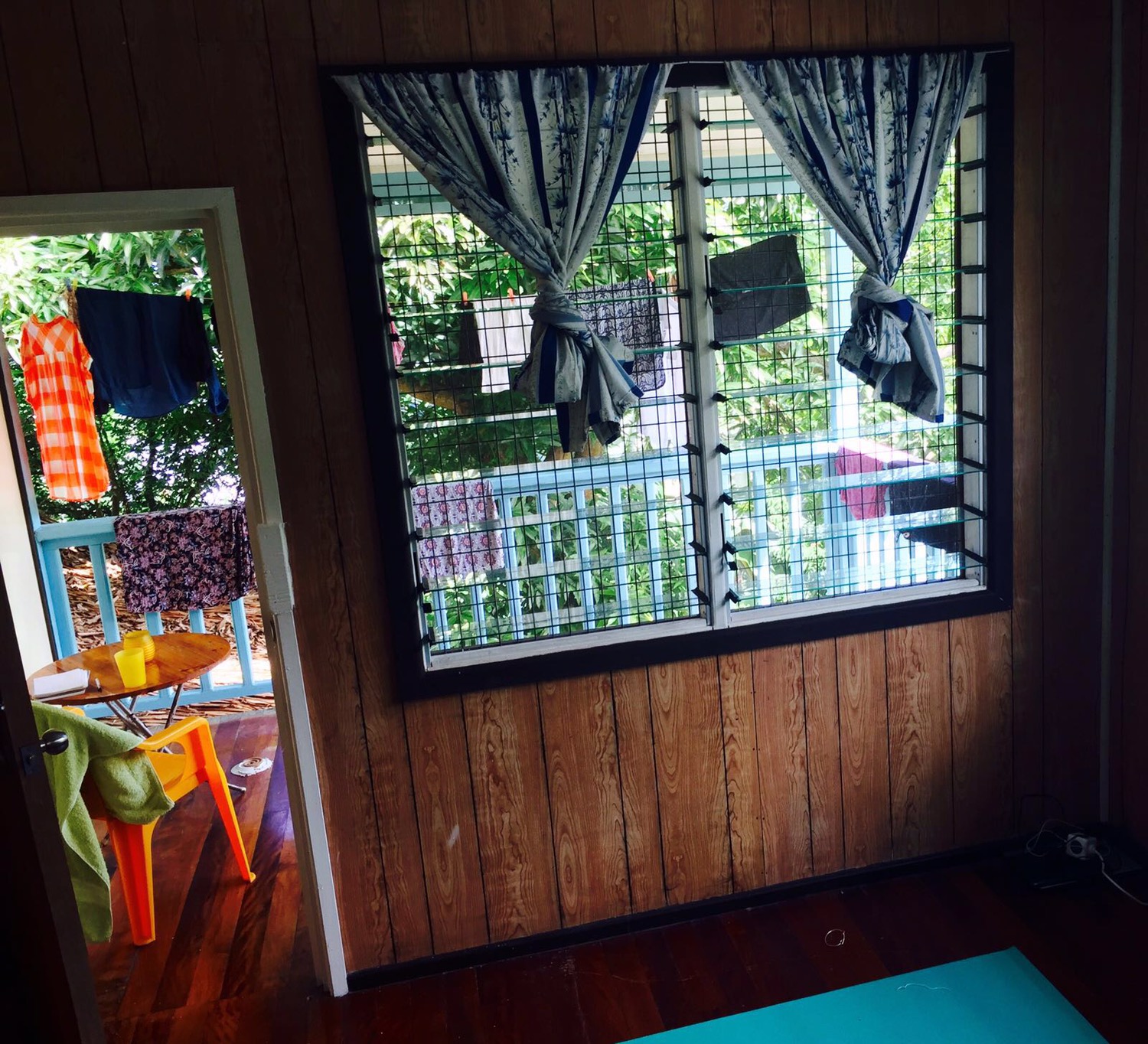
After a terrible first night spent in the Auki motel, (Think windowless cell like room, paper thin walls, loud snores and heavy traffic deep into the night as the ferry arrived in port at 3am. Luckily I had enough charge on my kindle to keep me company). I spent the day house hunting. I had a all of two guest houses to look at (big choice) and settled for The Hill Top. It’s a great place, nestled in the trees, high above town. It has seven rooms and is owned by a lovely Australian couple. I have my own room on the corner with a large balcony that looks out into the jungle. I know there are houses out there, I just can’t see them. I am loving just sitting and listening to the sounds of children playing, fires being lit and saucepans clattering as the different smells waft in on the breeze. Later at night, the frogs and the insects lull me to sleep.
Today is Sunday, and the power is back! Yay. I think I have coped remarkably well. I have studied and read and slept and sat. A great introduction to a simpler life. I have coped without a fridge, a shower, a kettle and lights. I have queued for hours to get my phone charged and I have come out smiling. Whether this would be the same if it had, indeed, lasted a month? I’m not sure. My confidence is growing daily. I have survived my first days at work (a whole different story and a work in progress). I have caught buses, shopped at the market, mi spikim pijin leetlebet (and have been understood). I have cooked great food and also made a couple of friends along the way. I even squeezed in a cheeky Friday night glass of (warm) vino. A shaky start but an optimistic end. Let’s see what next week holds??
I have arrived. And it’s hot, and it’s humid, noisy and dirty. I am on Guadalcanal, staying in Honiara, the capital of the Solomon Islands. An archipelago of over 900 islands in the middle of the South Pacific. I will be here for two weeks to learn the local language, Pijn before I head out to Auki, on the Malaita Province. I am undertaking a twelve-month volunteer programme to help improve nurse education here.
There are 6 main provinces covered in rain forested mountain ranges, mainly volcanic, deep narrow valleys and coastal belts lined with coconut palms and ringed by reefs. The Islands have a tropical climate, with hot and humid days, averaged around 29 degrees with nights cooling off to around 19 degrees. The lonely planet describes it as “an enigmatic archipelago, blessed with a compelling history, intriguing cultures and natural beauty”
Whilst here, you can trek across the mountainous landscape and tropical rain forests to visit leaf hut villages enriched in tradition and culture, swim at secluded waterfalls, island hop by traditional canoe, snorkel off palm ringed beaches in azure blue seas, dive shipwrecks, coral reefs and lagoons galore, eat fresh fish, tropical fruits and coconuts, sip cold beers from tranquil sundecks of one the many Eco lodges and resorts around. Sounds great right?
The Solomon Islands is poor, scoring very low on the Human Development Index, with many families, though not hungry or destitute, facing increasing hardship. Public sector administration and financial management remain weak. Corruption is considered epidemic. Lack of infrastructure, low labor skills, low productivity create a challenging economic and business environment. Homosexuality is not publicly accepted or acknowledged. The status of women remains inferior to men with regard to political, social and economic power. Domestic abuse is widely acknowledged as a key concern. To add to that, tropical cyclones, earthquakes and tsunamis happen regularly here. The Solomon Islands is one of the highest ranking areas for natural disasters to occur, with the least capacity to cope with them.
However, things are slowly changing, hopefully for the better. Huge financial aid programmes, government assistance and a vast influx of professional volunteers are working hard to improve life here in all areas. The future is looking brighter; it is not known locally as the Hapi Isles for no good reason. The people here are generally laid back, warm and welcoming. The music upbeat and happy and lifestyle simple but good.
Where best to spend the next twelve months than a place which is also known, more appropriately to those who know me……. The Land of Not Quite Right.
I feel as though I am being lulled into a false sense of security.
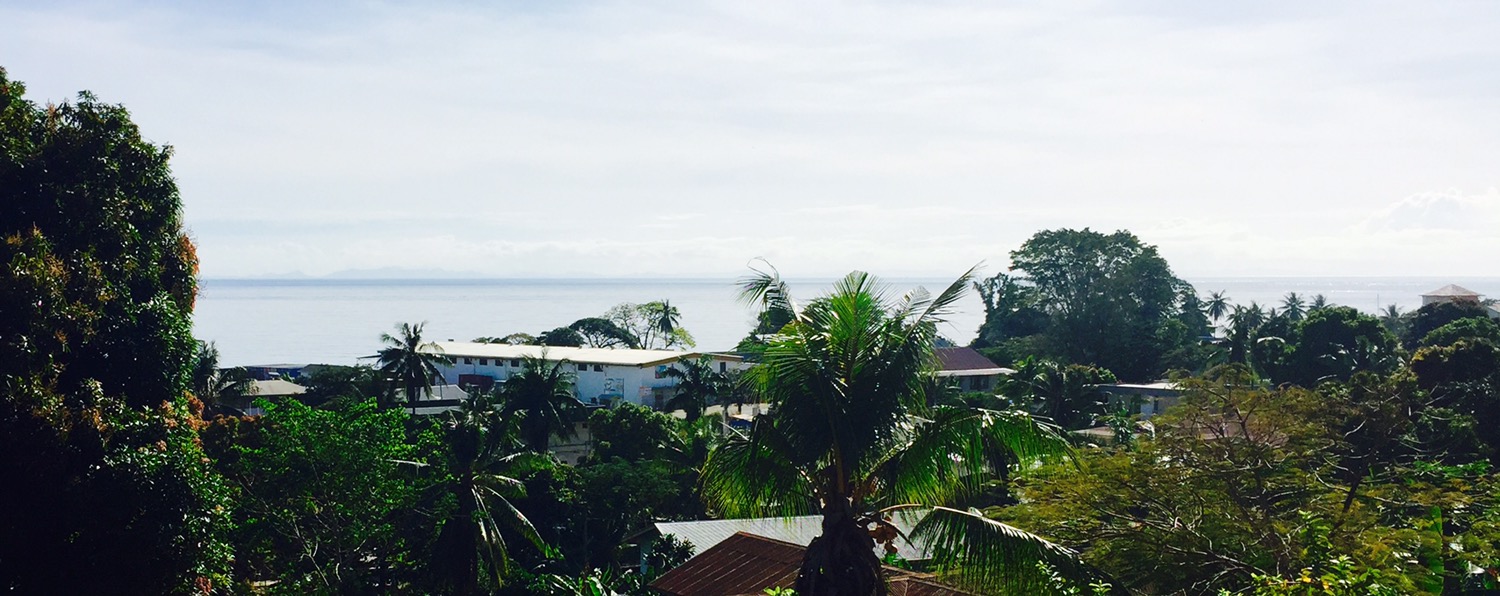
The view from the balconyI’m living in a beautiful home, at the top of a steep, steep hill. It’s open plan living is filled with wood and white. It is equipped with more than you could need. The sea breeze blows in constantly causing the white curtains to billow inwards as the noise of the city drifts in from below. The balcony looks out over the tropical landscape to the ocean below and beyond to the Florida Islands, just visible in the distance. On the weekends, the music from the seafront hotels is heard long into the early hours.
Honiara is not much different from many cities in developing countries. The throng of the streets is an assault on all the senses. The busy, bustling pavements are uneven and strewn with litter. The red spit of the betel nut everywhere as people jostle and grab and smile at you with their blood red smiles. The traffic is chaotic at best. Car horns, loud music and the constant chatter of voices do little to drown out the building work and industrialisation happening on every corner. The heat and humidity adding to closeness already felt.
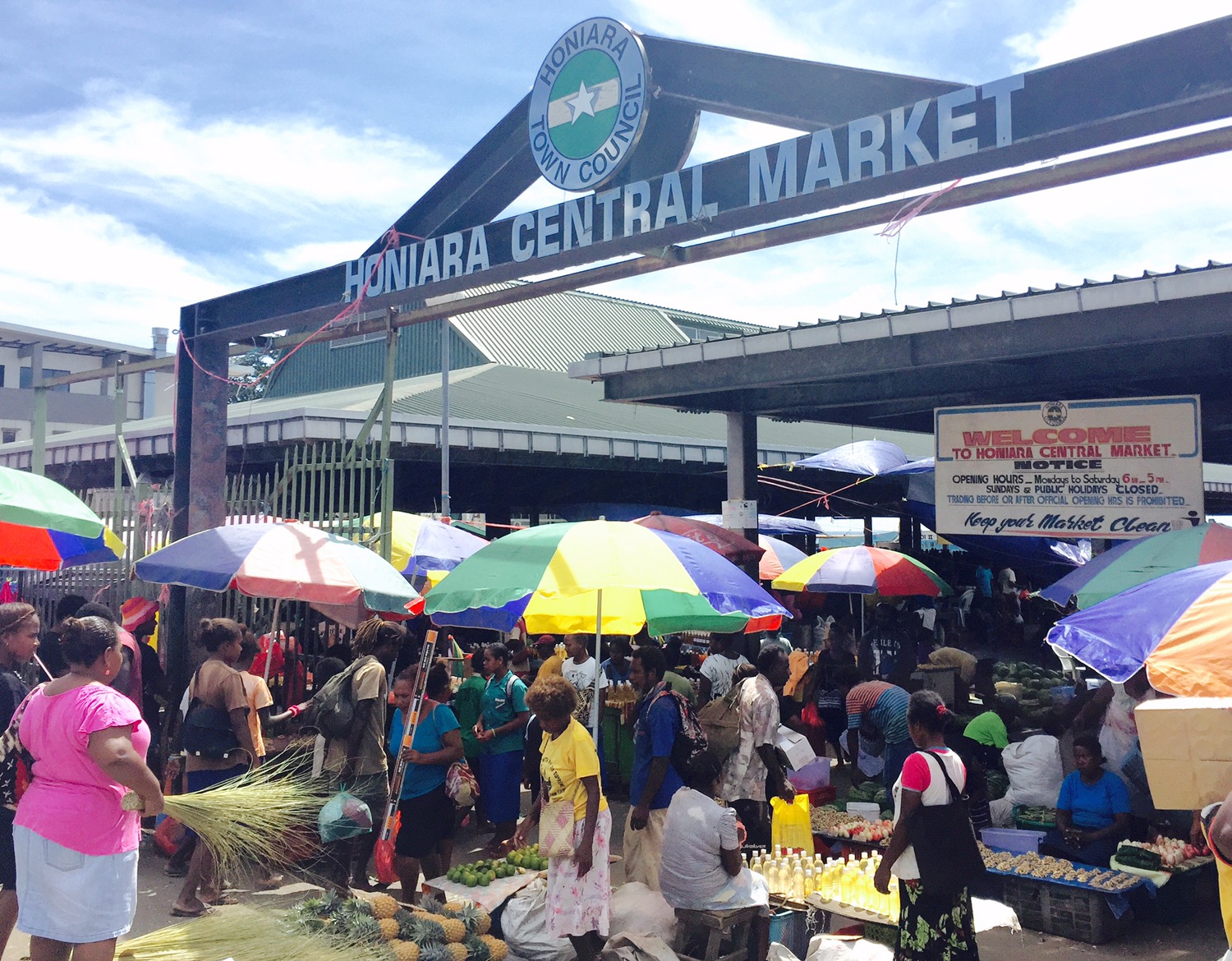
The throng of the market.That said, there are many retreats away from the hustle and bustle. Lots of cafes, restaurants and hotels offer you a good meal and a cold beer looking out over the Pacific. The lifestyle is extremely social. The local “coconut wireless” offers endless excursions and gatherings such as polka nights, bingo, karaoke, live music, local dancing, Zumba, hash harriers, football, diving, hikes and knitting. To name but a few. There is no time for a night off and you’ll never be lonely.
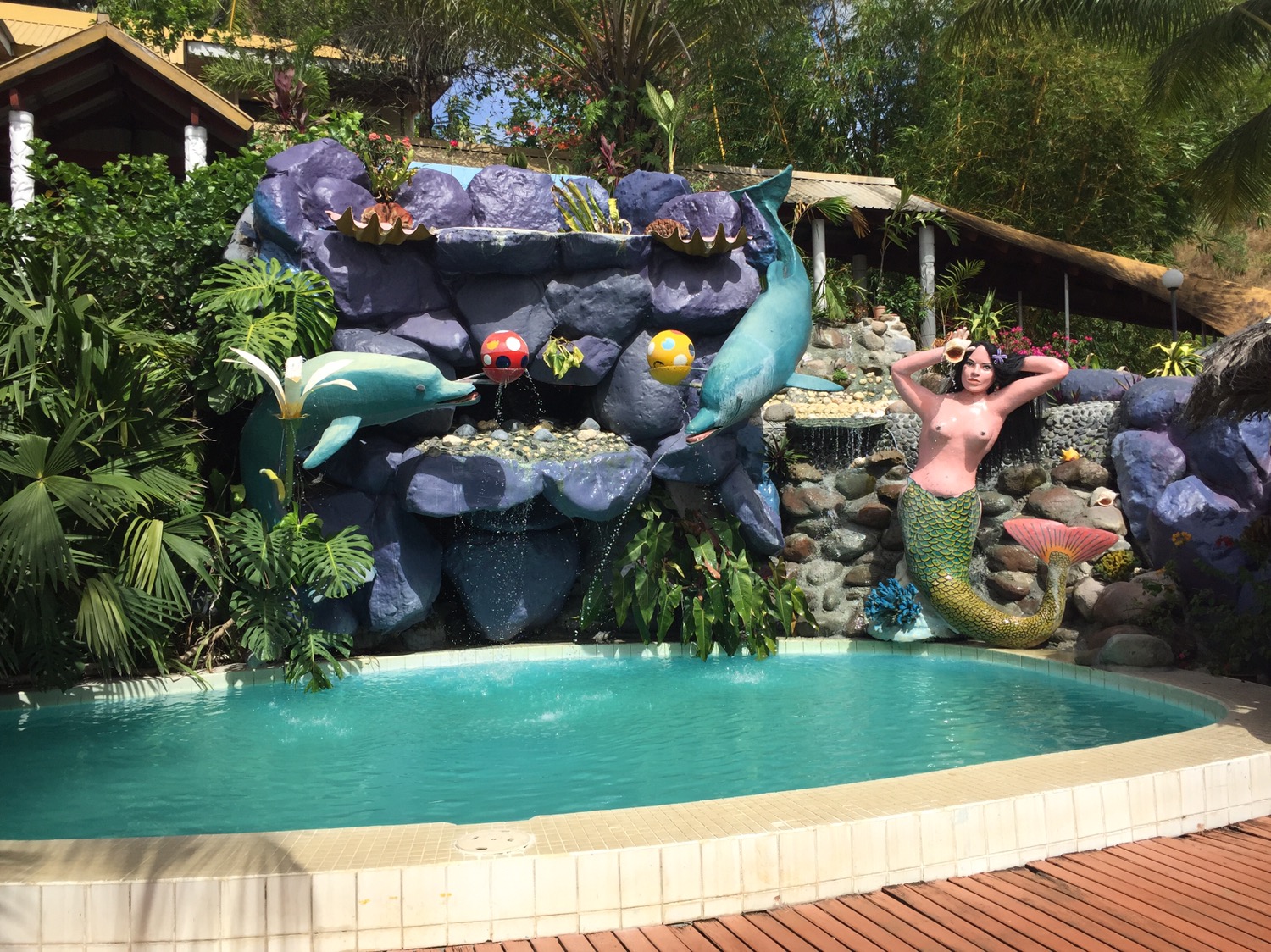
One of the many bizarre fibreglass sculputures .But, I am leaving and going to live across the sea in Auki. I’m constantly reminded;
“Enjoy it while you can, as there’ll be none of this where you’re going”.
I’m on a roller coaster of emotion. I’m excited, yet apprehensive. Some days I feel like a want to vomit, others I can’t wait to get there. It’s the not knowing I think. As the enormity of the task (I will be the first and only volunteer educator in the whole hospital) and the realisation I am highly unqualified for the role sinks in, the panic rises. Not least helped by the emphasis on the extra support that is available. I am told that if the amount of death and suffering doesn’t get to me, then the isolation will. I am assured that I will experience some kind of breakdown in the first three months. They call it “the pit”. Something to look forward to.
And I am (looking forward to it). I’m excited about living a simple, cleaner life. I’m excited about the challenges and not only the prospect that I can hopefully do something to help, but the things I will learn for and about myself.
I waved off all my belongings on the long boat trip to Malaita yesterday, packed with food and a couple of bottles of gin (women don’t drink in Malaitian culture) to keep me company.
So. One last weekend. I’m off to the seafront bar at the Heritage Hotel to hobnob with the expats. See you in Auki!!!

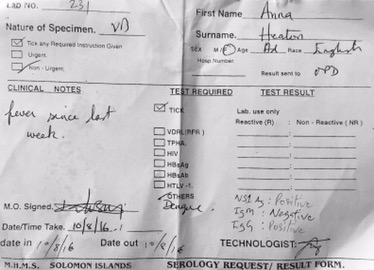 So, this wasn’t the story I was hoping to tell this week. Last week I dragged my carcass to work, only to be sent home again. Typical nurse! By Wednesday, I had developed leg cramps, back pain and bleeding gums. I thought it best to get checked out. I’ll not bore you with the details, no one likes a winger. There is no treatment for dengue but as my platelets continued to drop, the daily slog to the hospital for blood tests was trying at times. It’s not easy, being unwell in a third world country.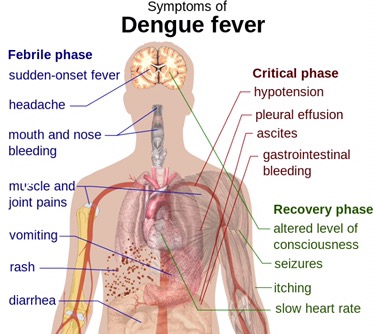
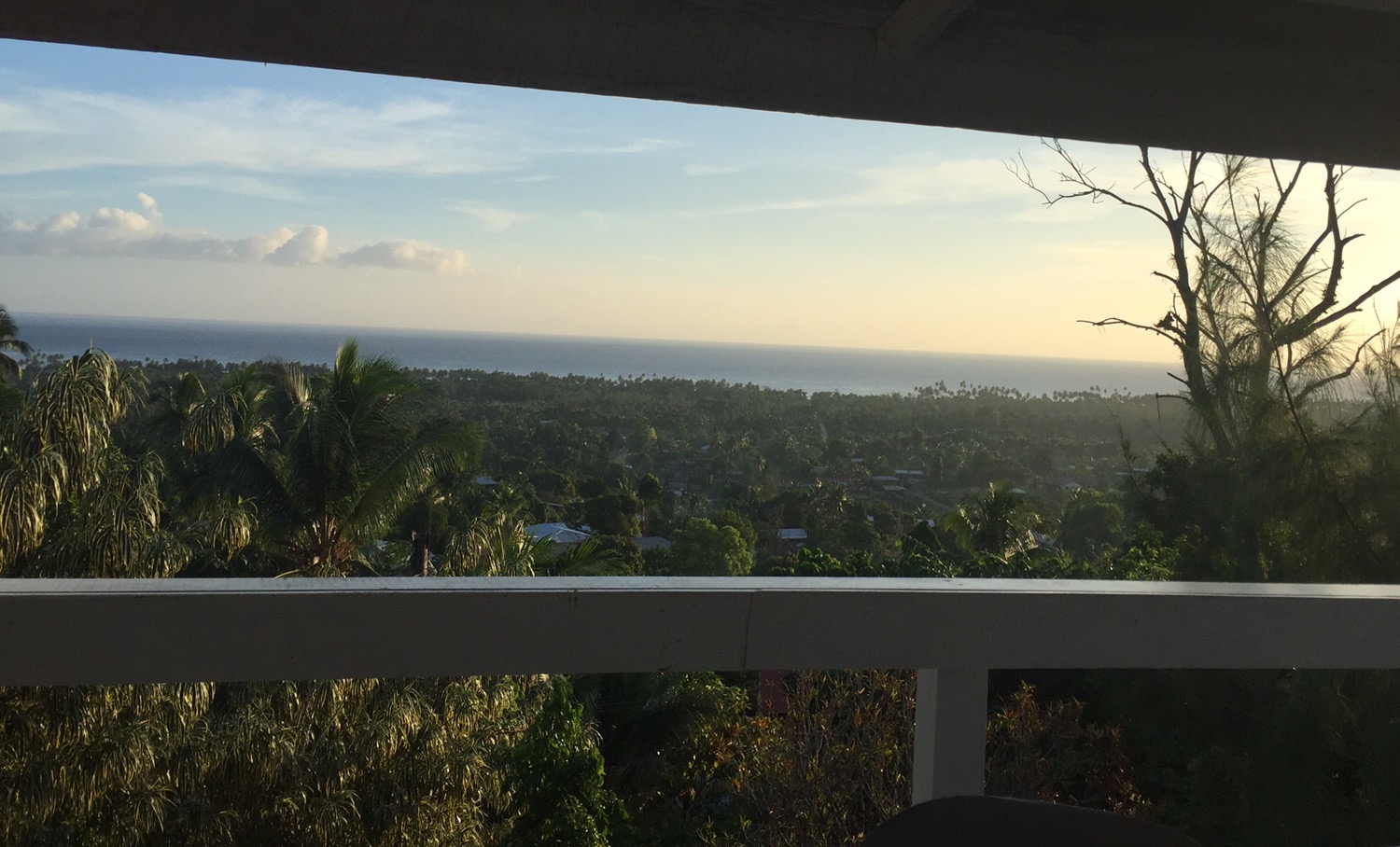 So here I convalesce, sitting on the balcony, staring out towards the pacific, sipping on a fresh coconut, listening to the noises drift up through the trees. I’m watching a small boy climbing a tall tree opposite. He balances on the wavy palm fronds as he hacks down coconuts with a large machete. I can’t watch. He must be only 6 years old. Thankfully he makes it down safely, waves me good morning as he collects up his haul. I know I am far from paradise, but right now, everything is ok.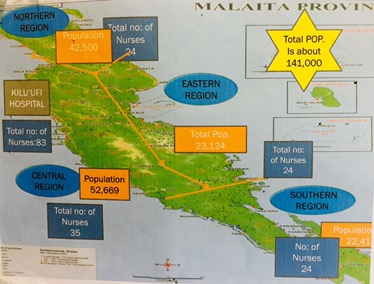

 annamayventure