For the last 7 years, I have not been in a job longer than 3 months. I enjoy the constant change and challenge of agency nursing. I get to do the job that I love, without the politics. It is now coming up to 11 months, same hospital, same office. I had to get out and I think everyone knew it.
So I jumped on the back of a neonatal training course that was touring the south of Malaita. Everything went a little bit wrong and nothing happened according to plan, but I enjoyed every minute of it. With a strange fondness, I have grown to love this dysfunctional way of life.
We were supposed to leave at 8am. At 10am I got a call to say that everything was finally in place and I would be collected at the bottom of my road. I waited 30 minutes (Solomon time) before I set off, then I waited an hour at the side of the road and another 45 minutes at the market. Just after 12 we were off. No we weren’t. We stopped to pray and give thanks, then we were off. Finally.
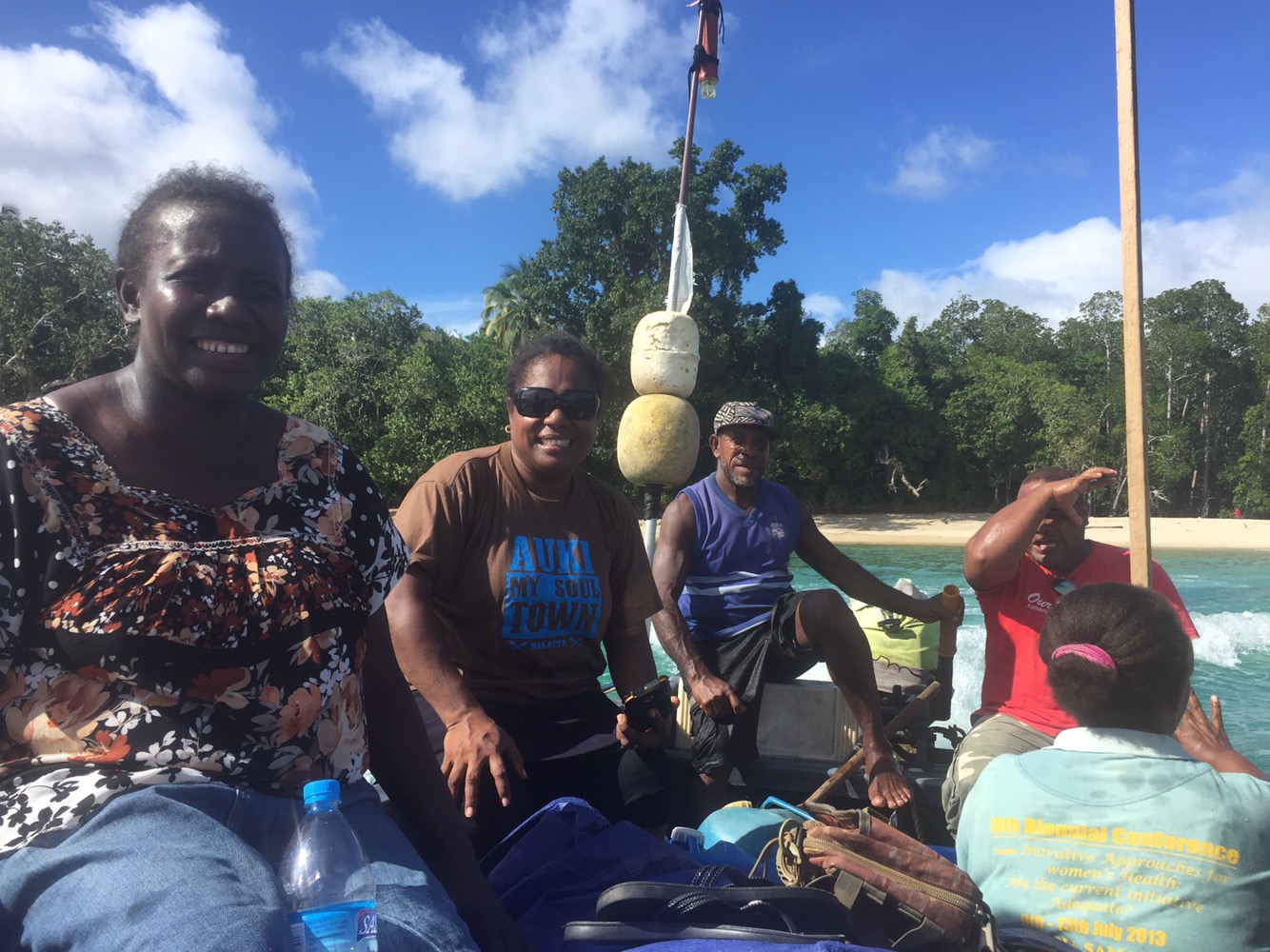
It was three hours cramped on the back of a truck, then three hours cramped in a small boat. The sea was rough and the weather not too kind.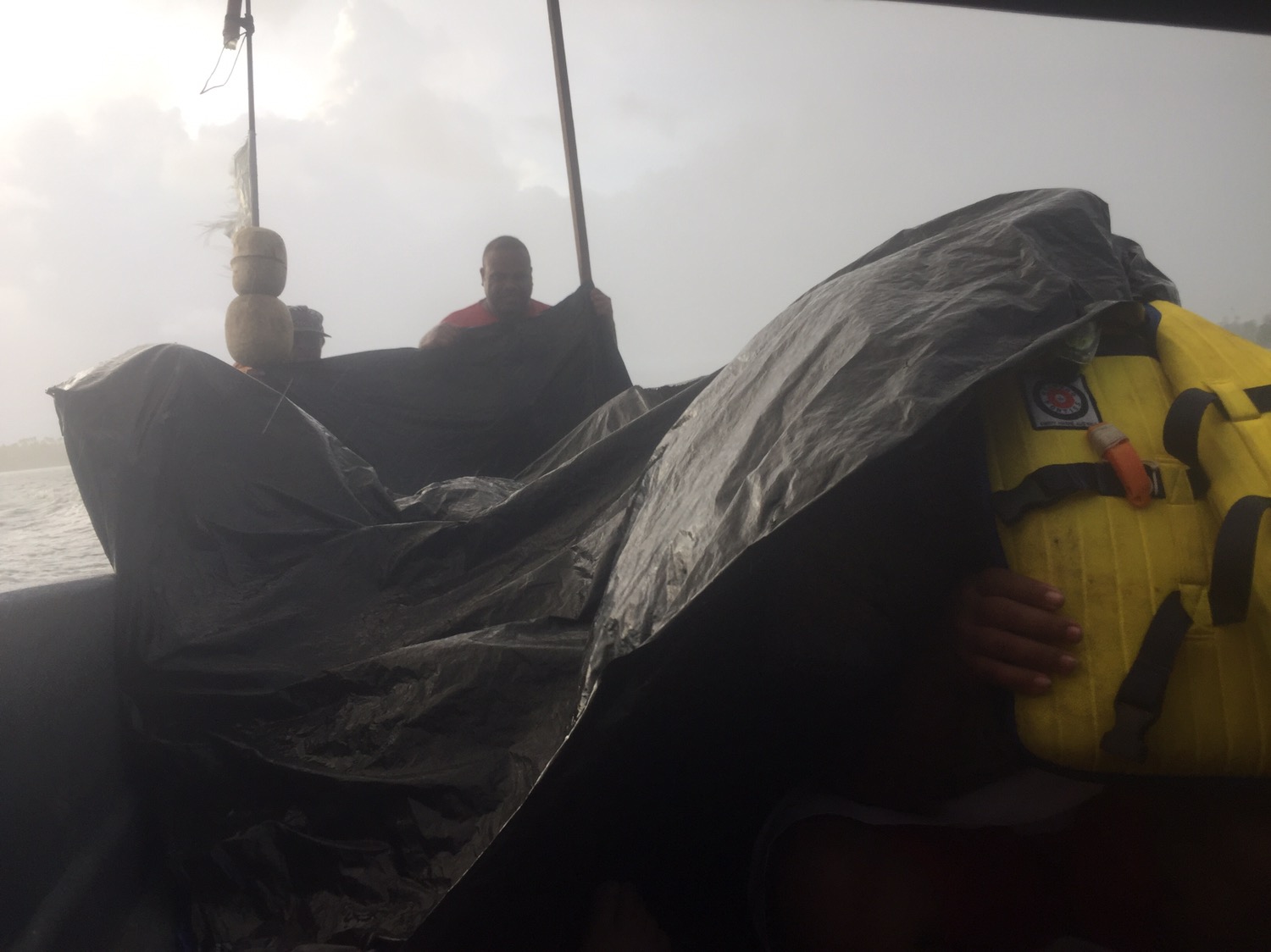
Afio
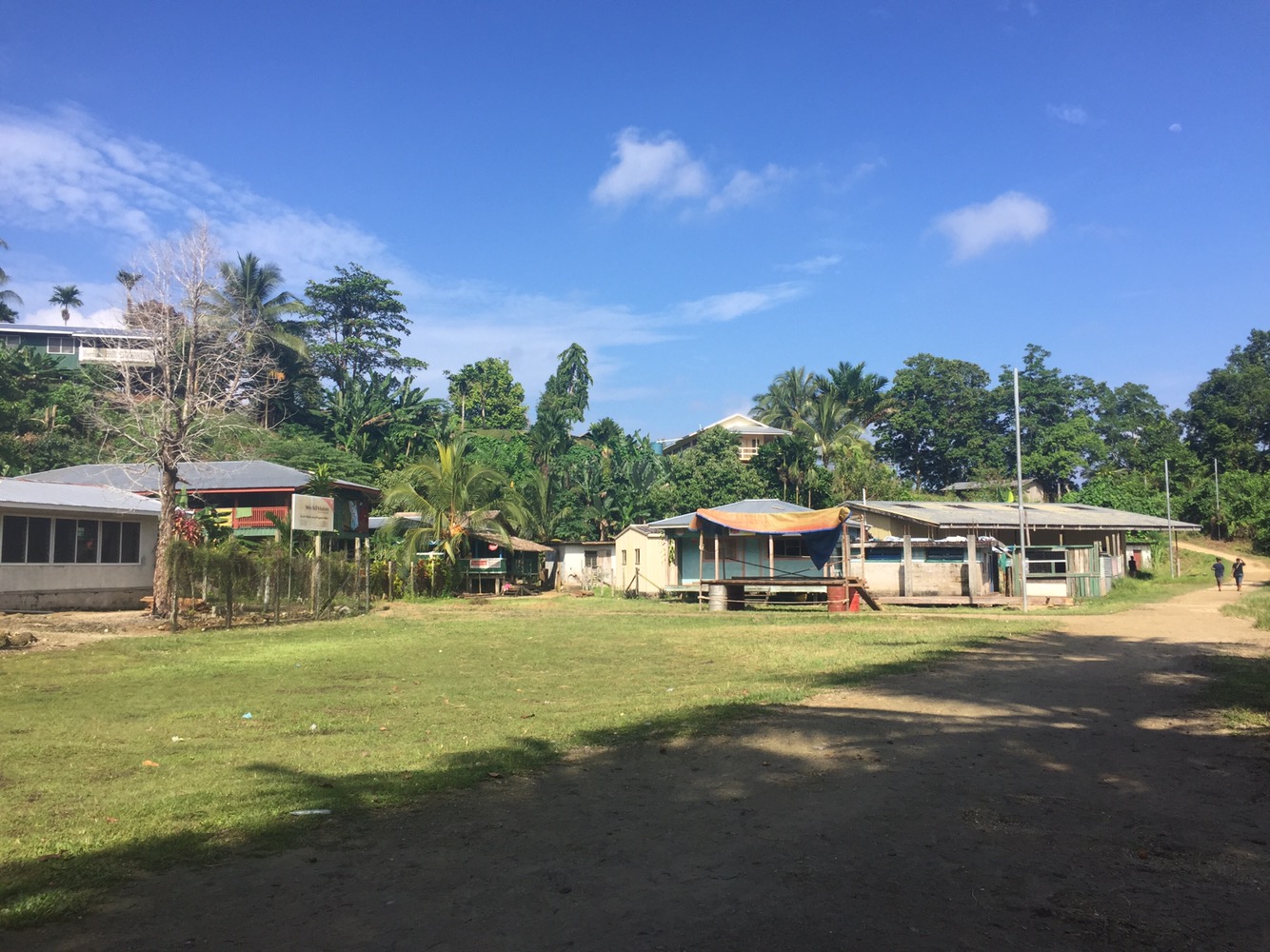
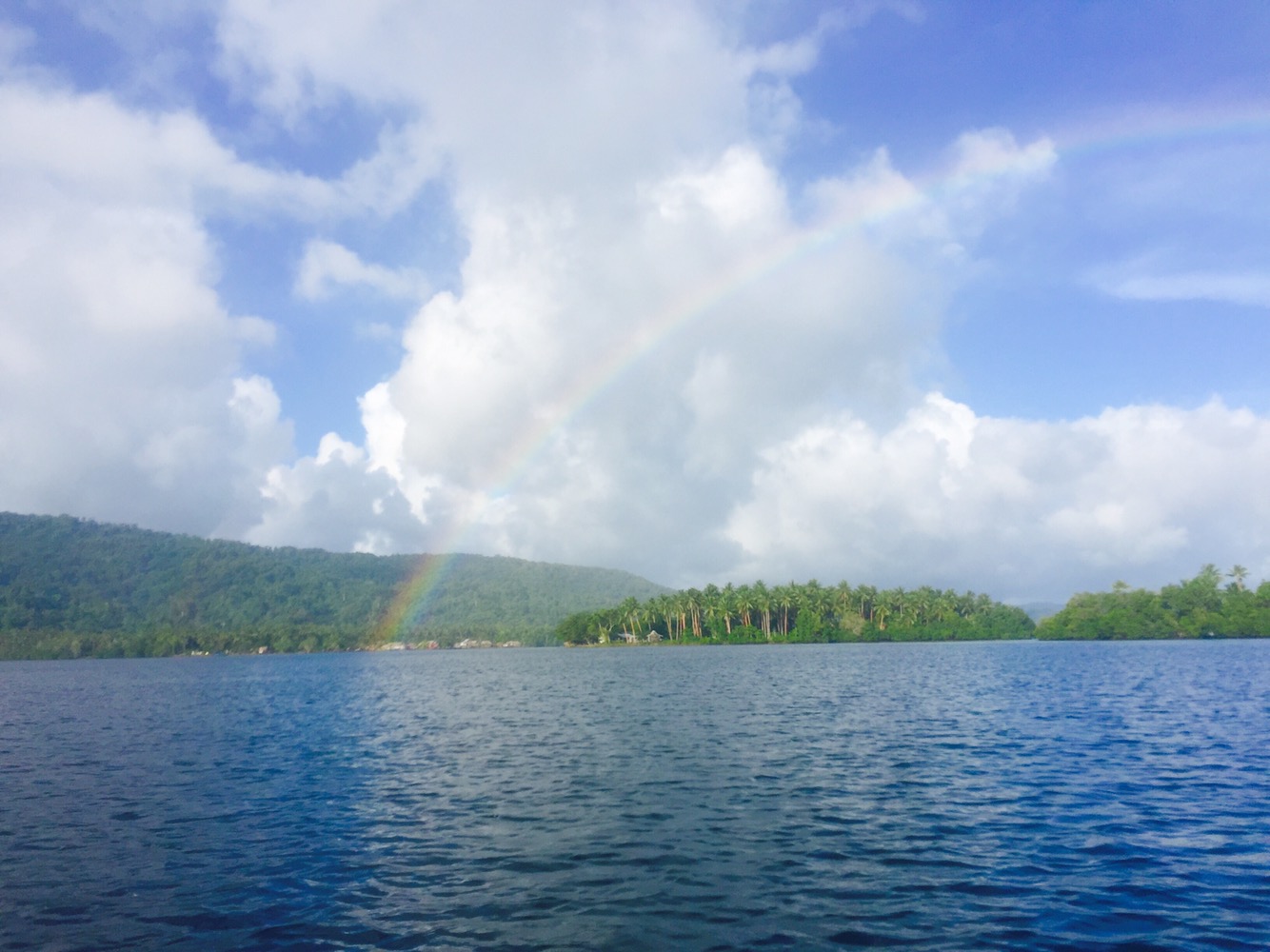
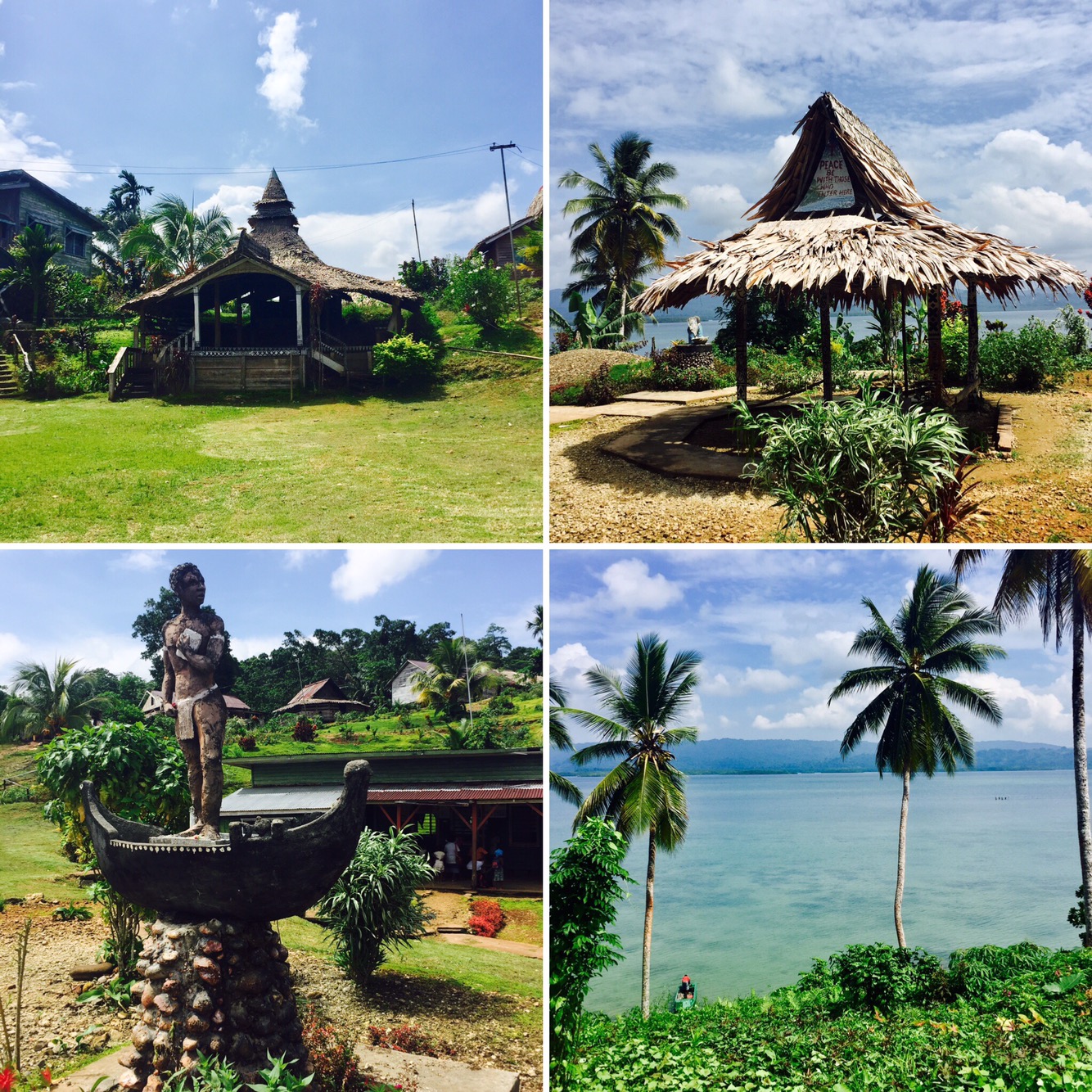
We were staying at a community station on Small Malaita, a small island separated by a narrow sea. The station, Afio, has guest houses, conference centres, markets, schools and an area health centre. It is the central meeting place for both south Malaita and Small Malaita. Every morning a steady stream of dugout canoes ferry children, workers and market sellers to the station as the small town converts to a Solomon style CBD for the day.
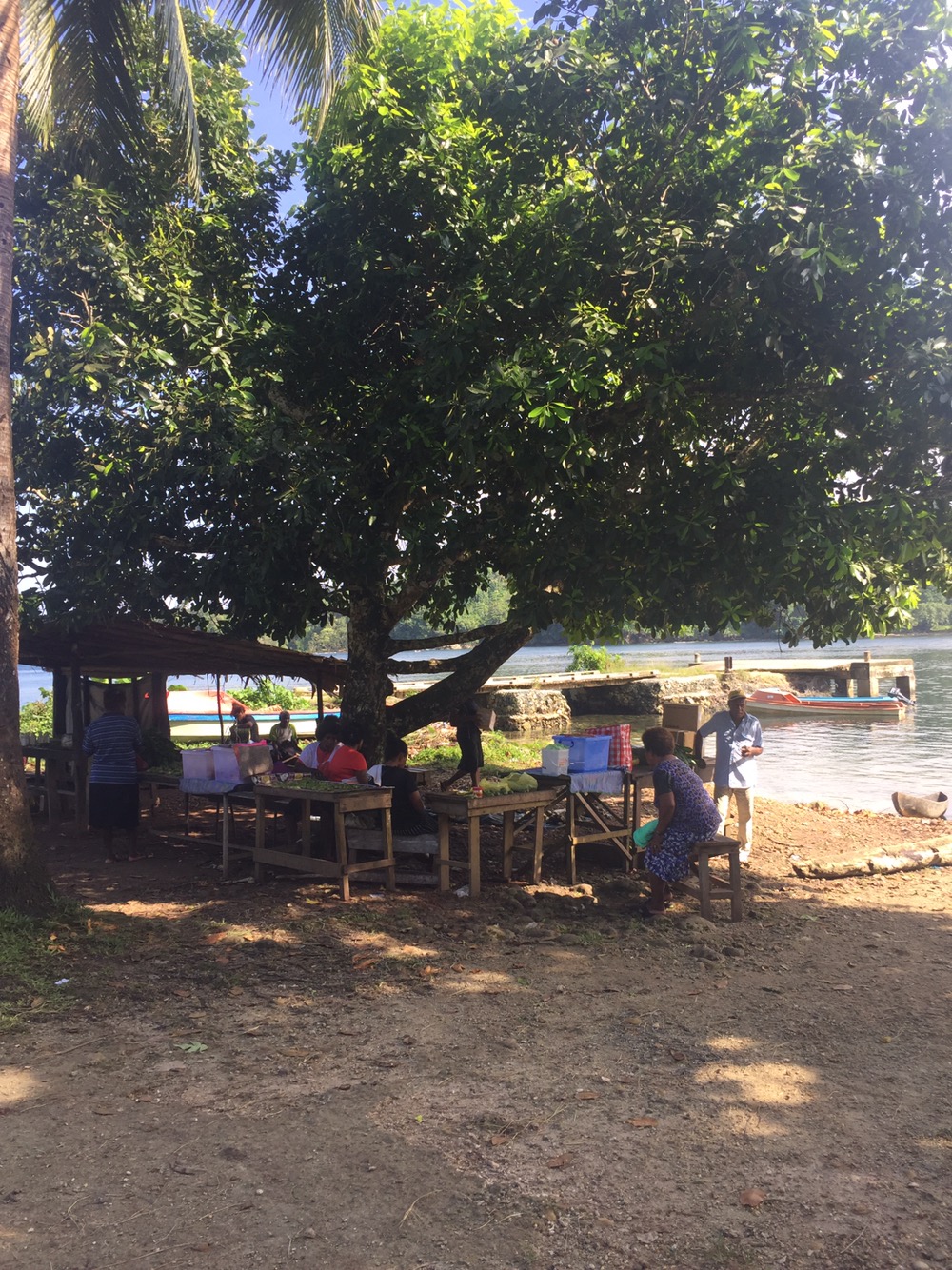
Just a normal day
Knowing very little about delivering babies, I am excused from the course and go to work in the area health centre for the day.
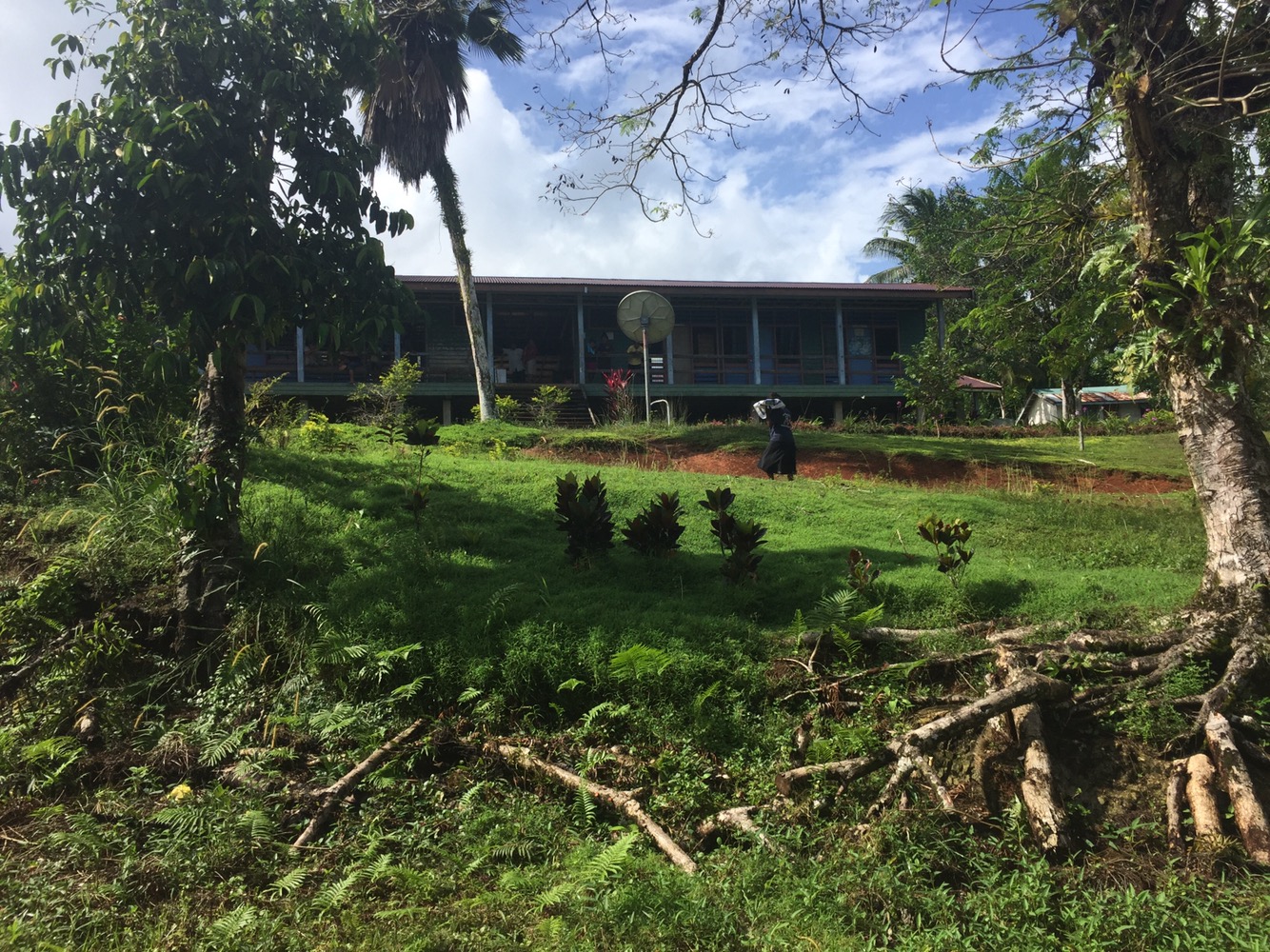
This day will be a memory that I will hold forever. I am working with senior nurse/midwife Michell, who I can tell from the outset has a beautiful soul. Today, she is the only one working. She has a large clinic to run. It has no ceiling, no electricity and no running water. Despite this, it is an attractive place and you can tell that Michell takes pride in her work. There are colourful posters and everything she has, which is not a lot, is labelled, organised and neatly stored.
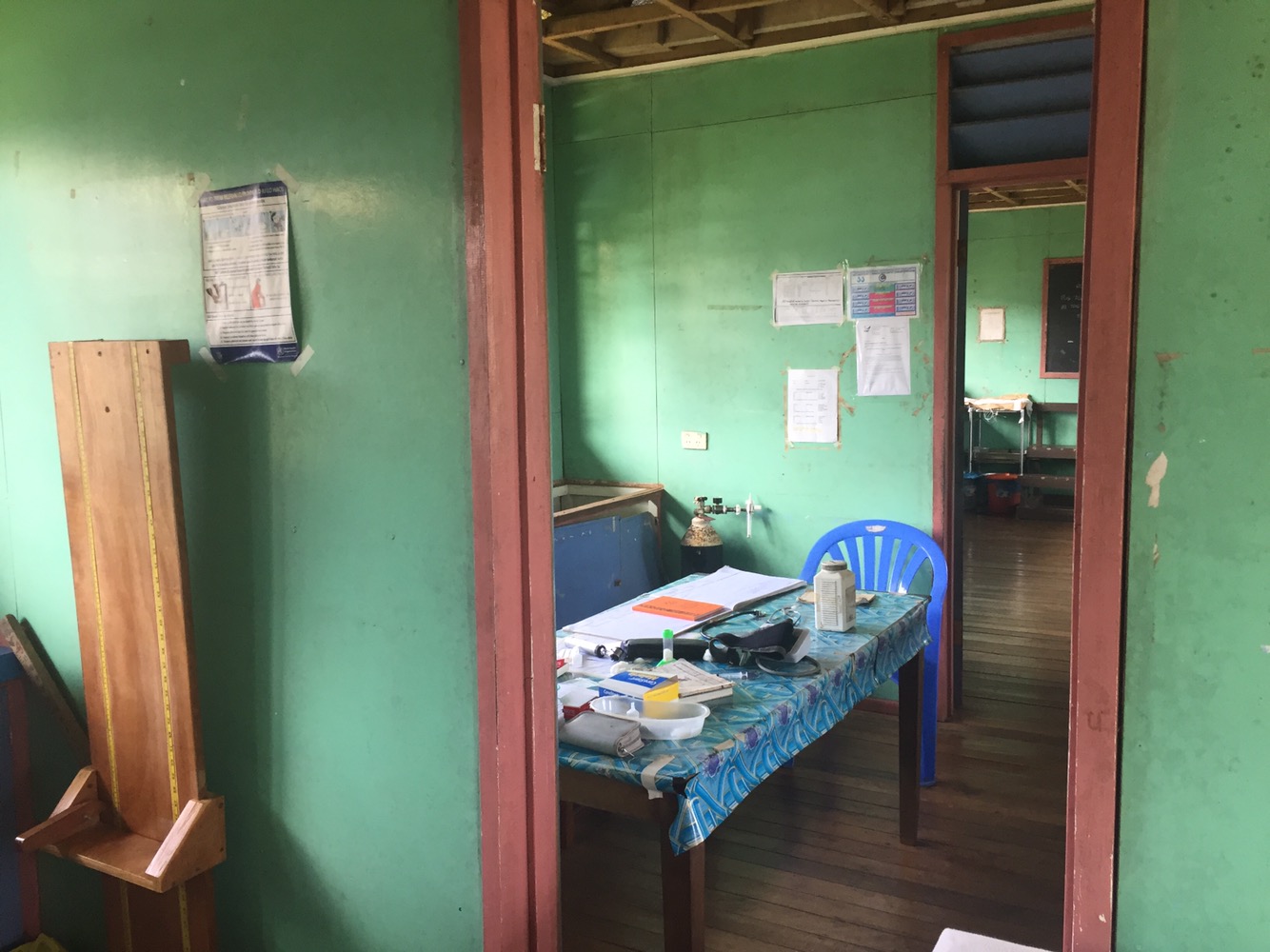 Today she has 17 patients, 3 birthing mothers and a long line of outpatients to see. There is a very sick baby who needs to go to Kilu’ufi Hospital for treatment. The only way to get there is the same way we came, a journey I found hard at the time but unimaginable if I or my child was sick.
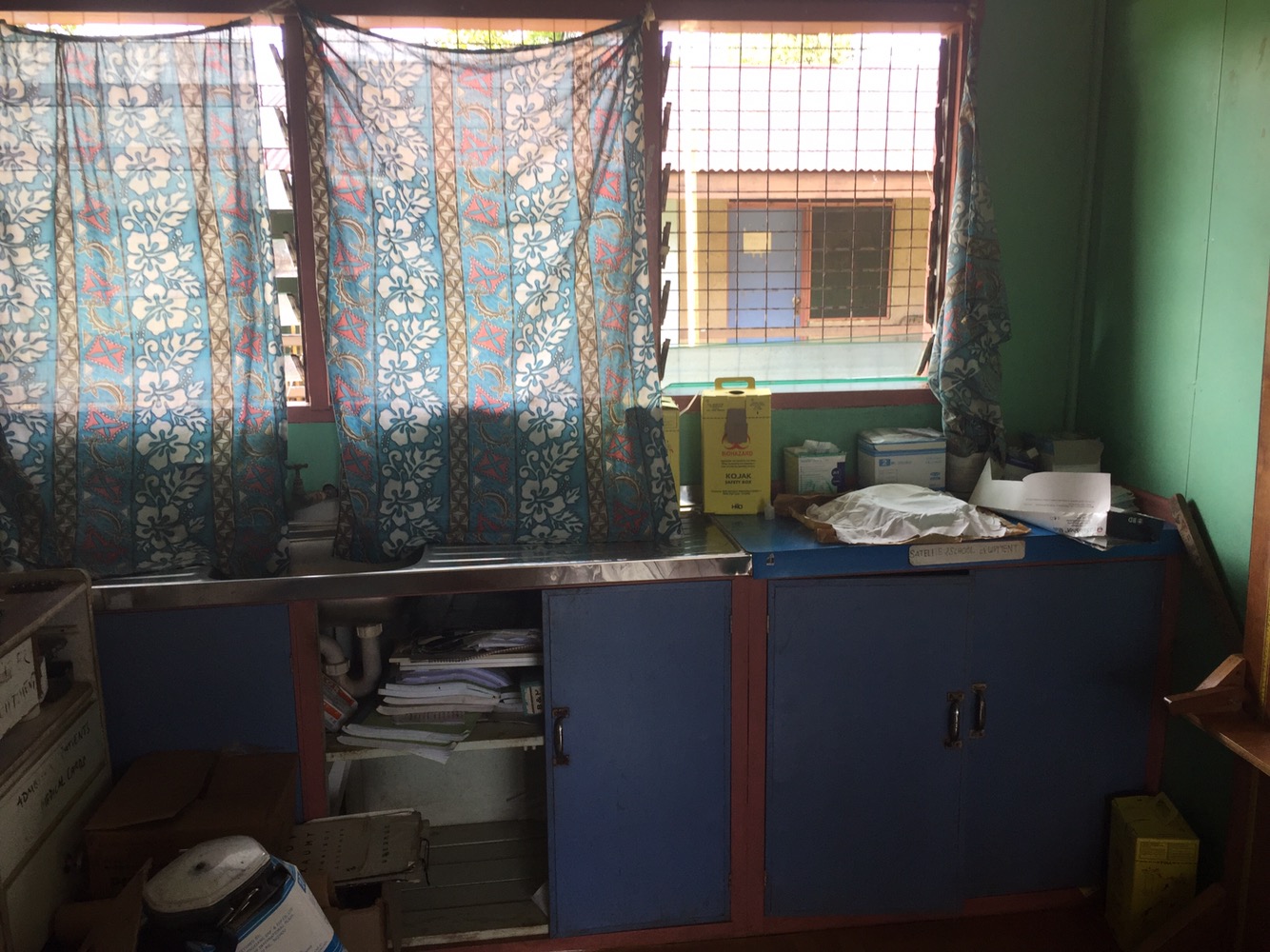 I think about how I would deal with this situation if I was working in Australia. The answer: not well at all. First thing I would do is call for help and nurses would come. I would consult with a doctor. If I was really lucky, I would have telehealth that would enable them to be there, with me, in the emergency room. I would call RFDS who would arrange a plane and an ambulance, giving me professional advice and guidance till they arrived. But there is none of this and Michell has full responsibility for caring for all these people. She is not overwhelmed, she is not stressed, she does not complain and she does not panic. This is just an ordinary day. We work hard, but we work calmly and even though I am there and I am helping I know that Michell would cope just fine without me.
Despite the reality shock, I have one of the best days. I love nursing and I love having the chance to work as one again, in an environment that I am (slightly) familiar with. At the end of the day, Michell is grateful to me for being there. She tells me I have taught her a lot but I am pretty convinced that it is I that has learnt the lesson.
A tale of two clinics.

The following day I take a boat and head out to visit two remote clinics. We travel down the passage that runs between Malaita and Small Malaita before veering off into the mangroves. It is a magical world of secret passageways that run to small villages hidden amongst the dense foliage of huge green leaves.
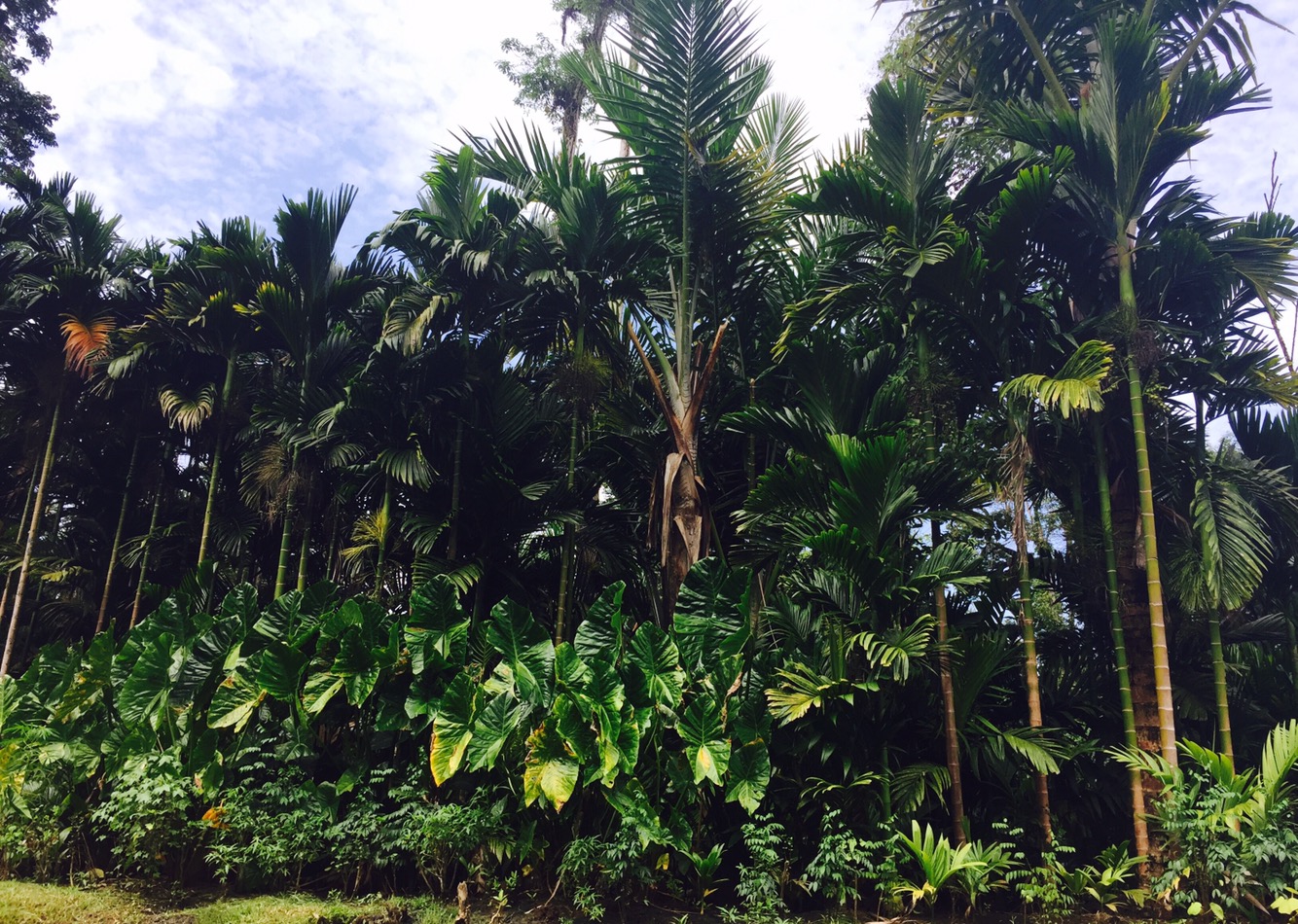 We take many turns and it is not long until I am totally lost and everywhere looks the same. The tide is out and the boat can go no further so we have to walk the rest of the way. We are visiting a small clinic in a village called Taramata.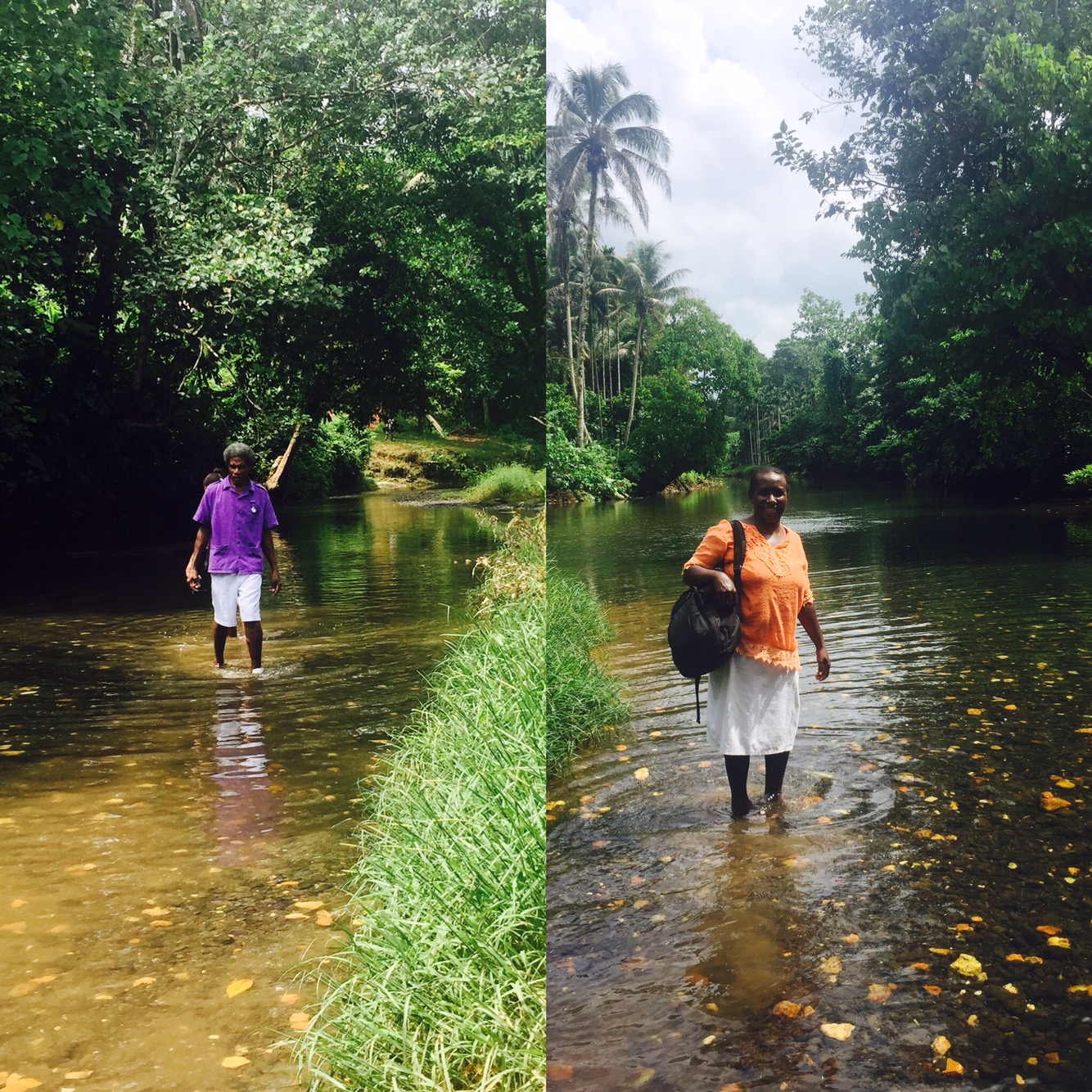
It is the first clinic that I have seen here that has all four walls, running water and a roof. Not only that but it is clean and bright, there is solar light, a working fridge, a steriliser and a good store of supplies. The clinic is run by Stanley and his wife Alice and you can tell, as Stanley shows me around that they are proud of their small clinic.
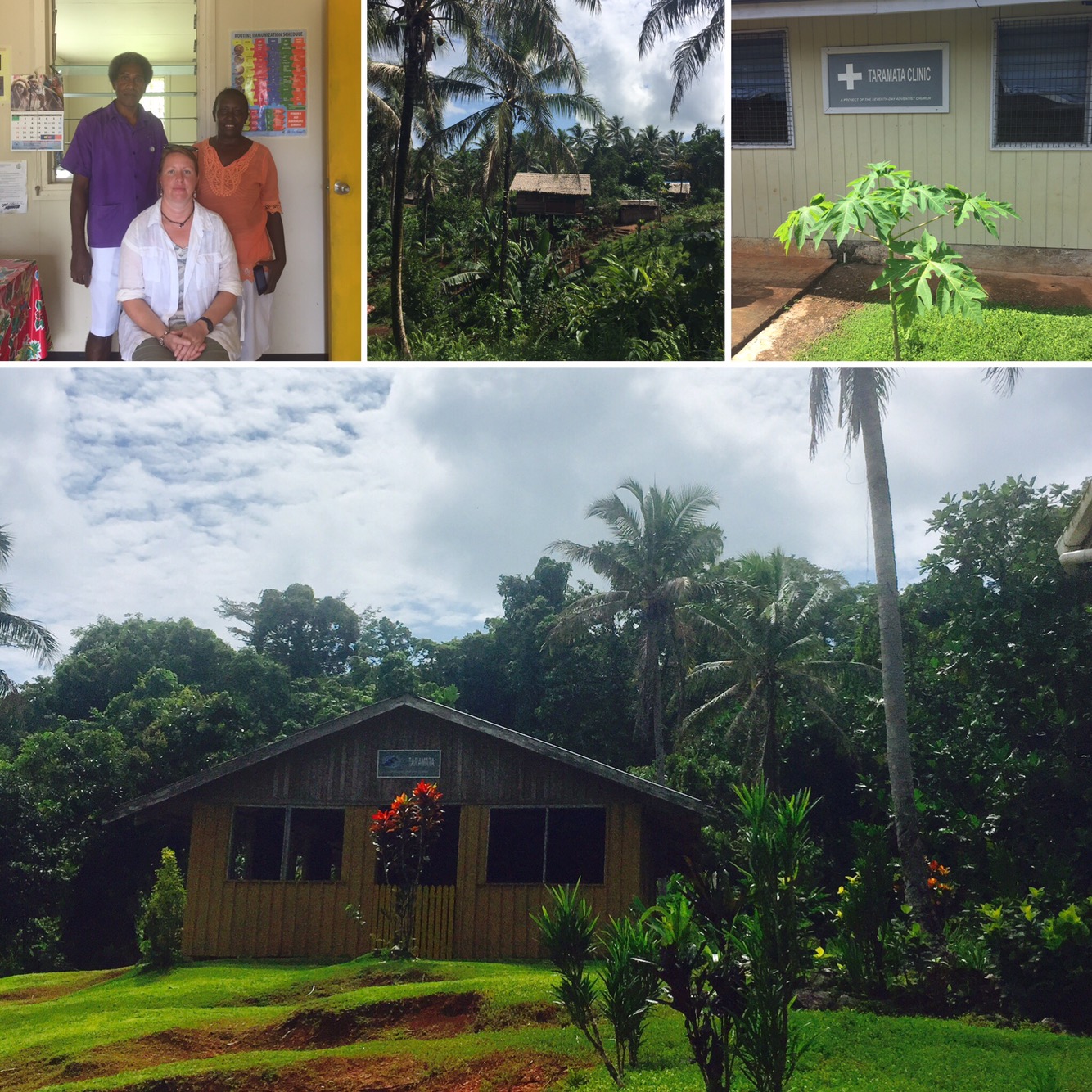 This clinic is invested in and supported by the whole community and the church. They believe that health is everyone’s responsibility and they work hard, as a village, to keep this health centre running.
Back in the boat we head off again through the mangrove maze and back out into the passage before stopping at a second village, Tarapina.
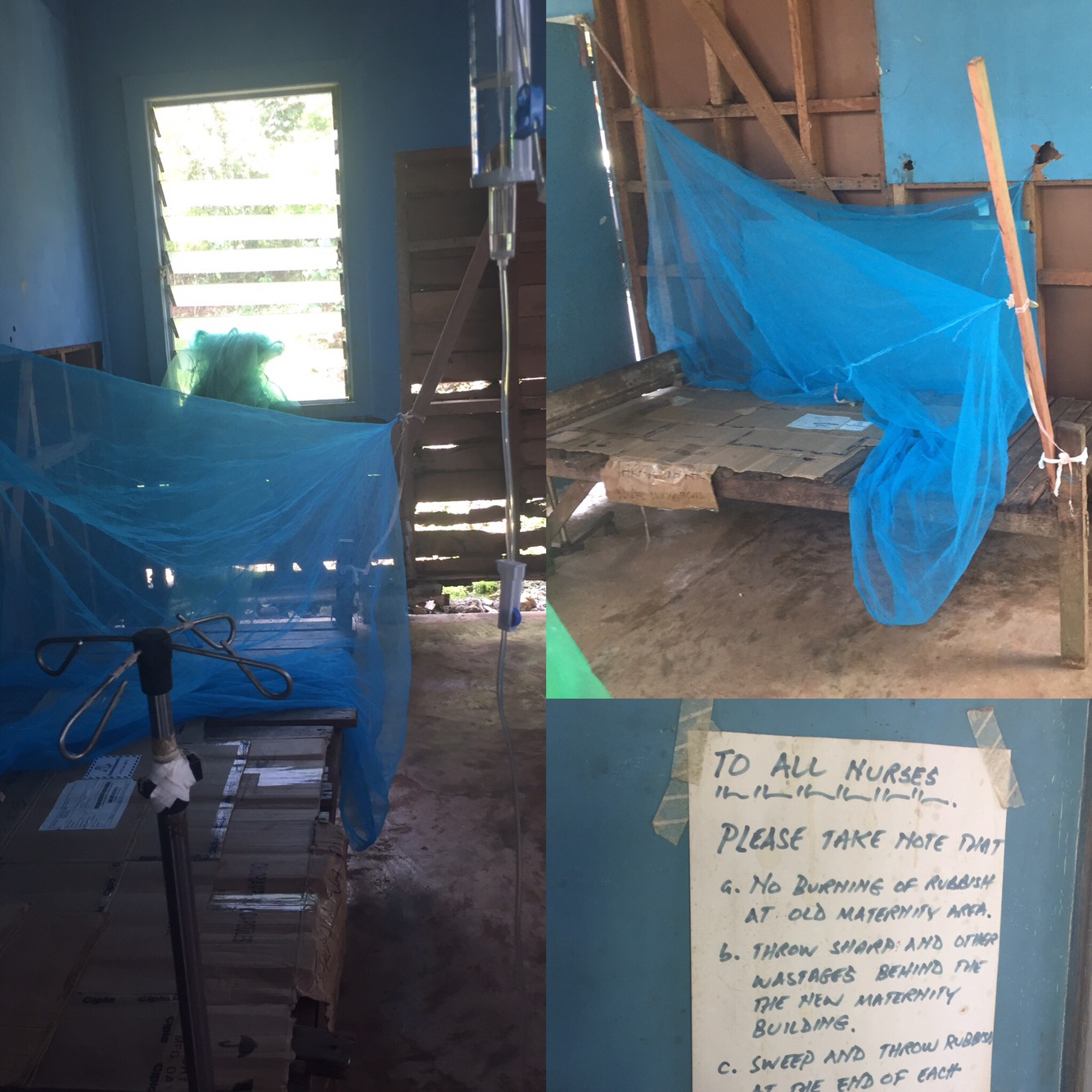 The walls have been eaten away by mites, the bed frames still stand but mattresses are long gone. A sick child lies on a cushion of cardboard boxes, an IV drip attached to his tiny hand. John tells us that equipment and supplies are donated and delivered but are often taken by thieves from the community. We talk to John for some time and not once does he smile, his story gets more and more distressing as he continues. It is clear that this is a broken man, from a broken community and he has no idea what to do to improve it. We leave with the promise that we will put in a report but I have the feeling that this is nothing that is not already known. It’s a sad end to what started as a very promising, uplifting day.
Crabs and Giggles
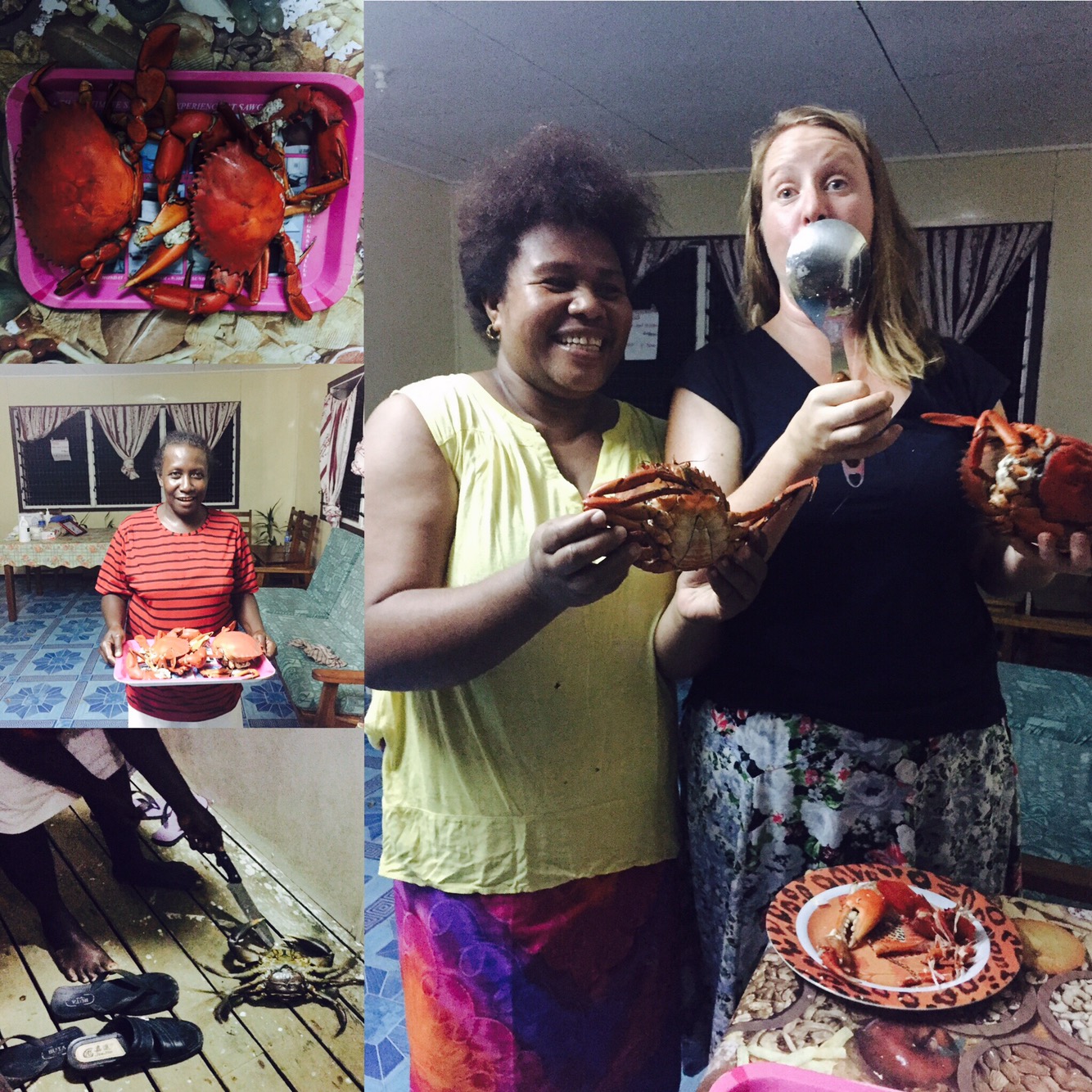
In the evening, we hang out at the guest house and I love being here with all the nurses and midwives from the region. There are about 15 of us I think and it reminds of school camps when I was younger. What I really enjoy is listening to the laughter. It is genuine, loud and infectious and it happens a lot. We eat large mud crabs and drink tea to the humming of the generator as the nurses tell tales of their working lives.
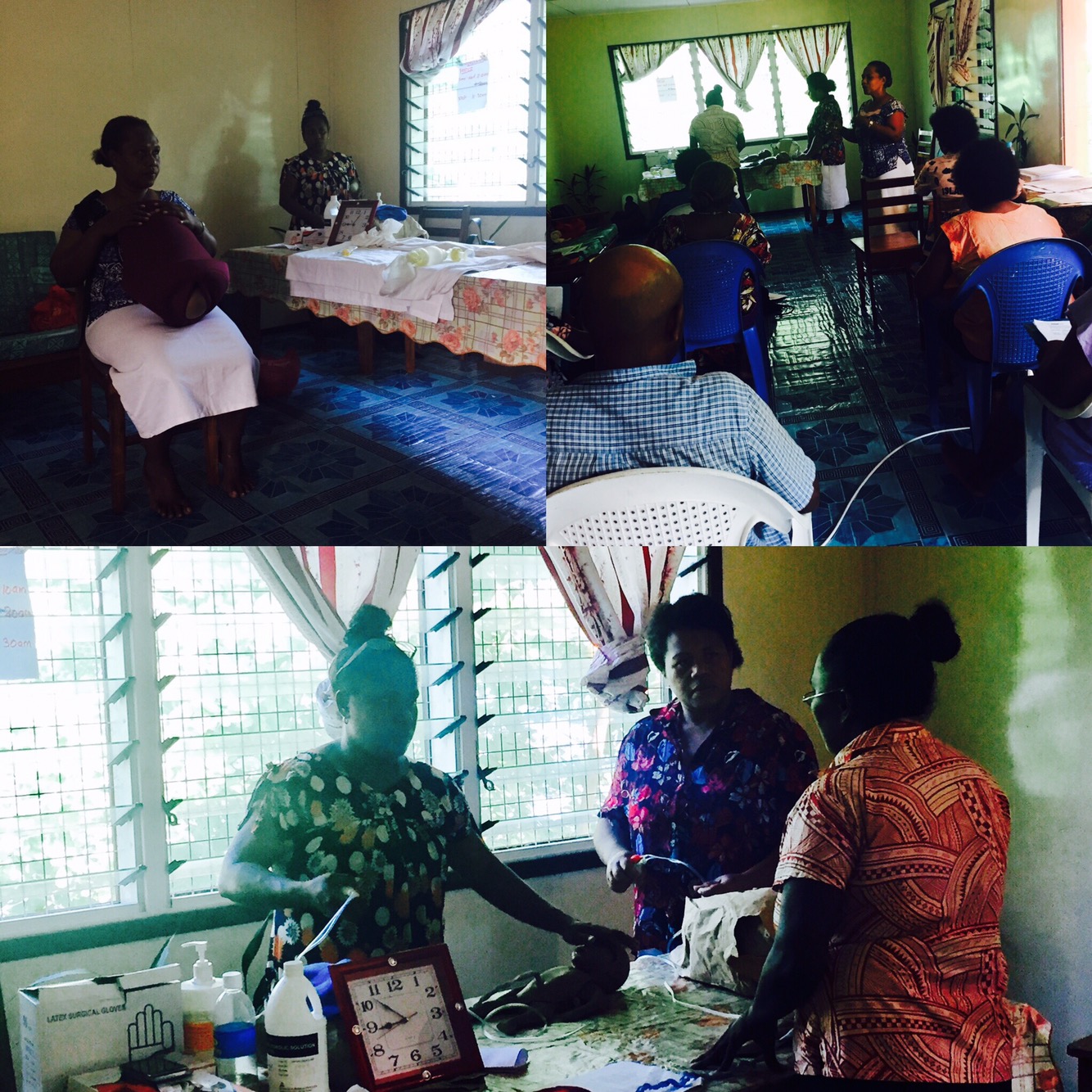
 They feel that they have learnt a lot from this two day workshop on neonatal care and are grateful for any education they get.
Home?
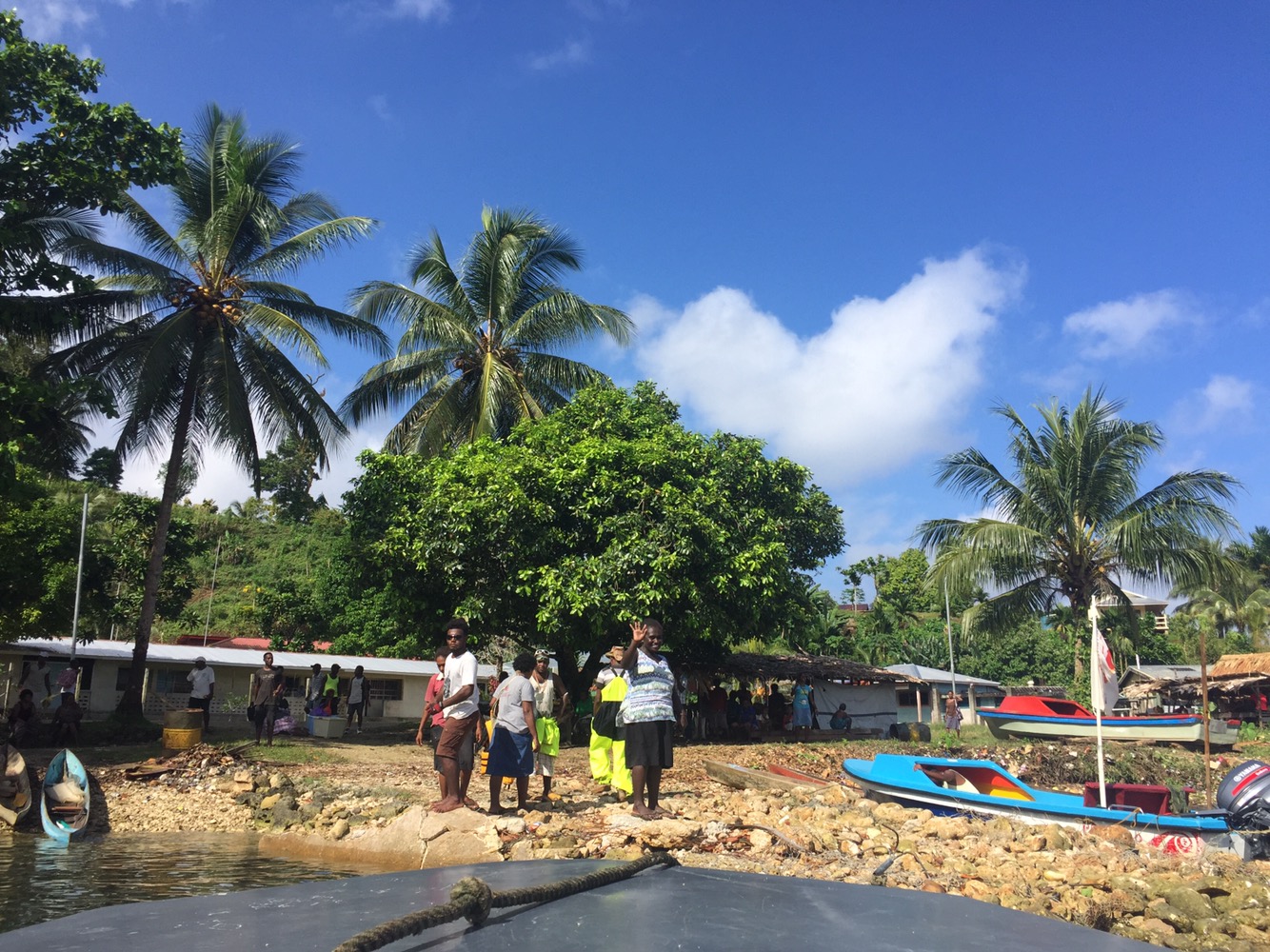
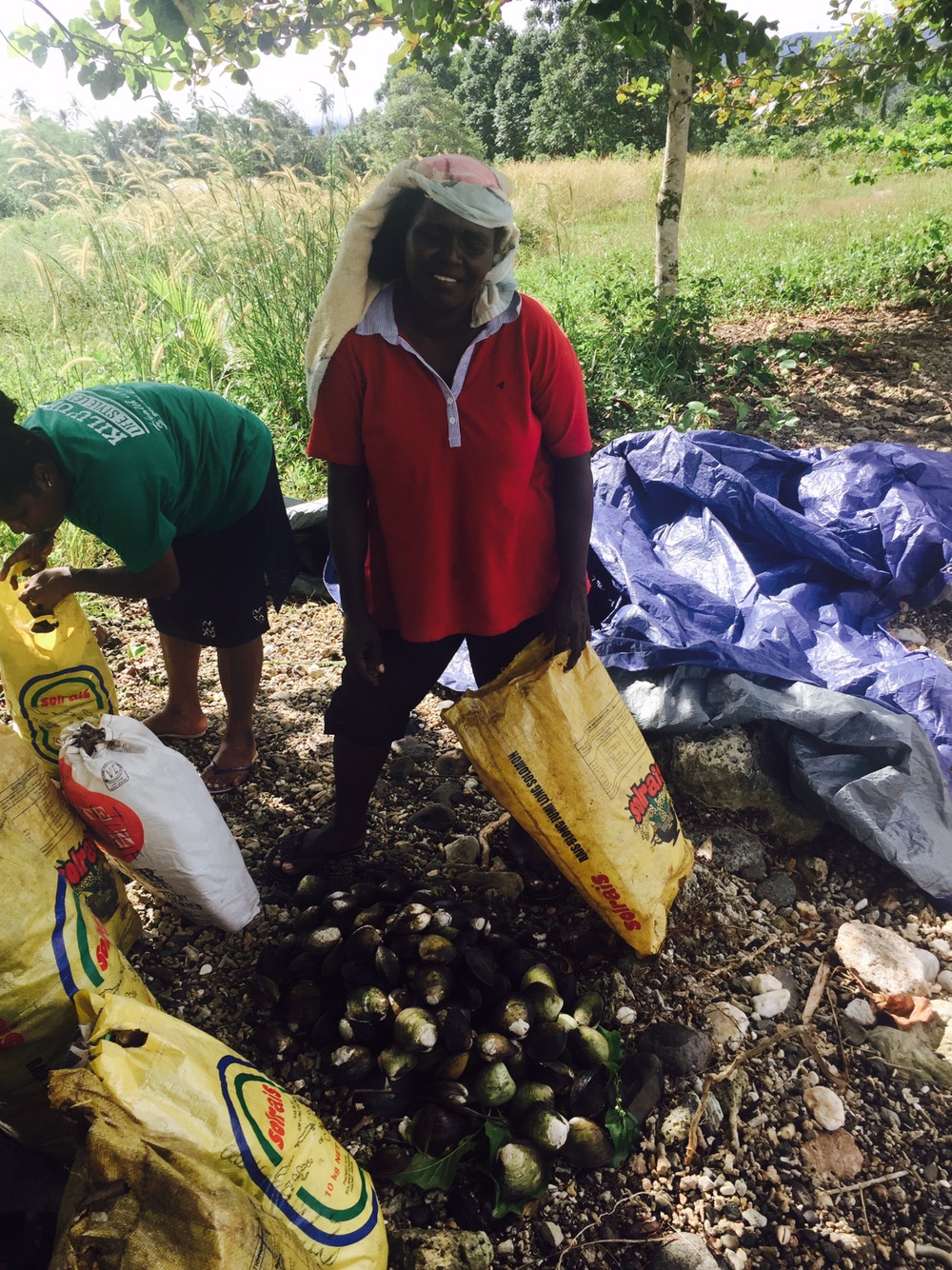
The next day it is time to head back to Auki. We have the usual two hour deliberation of getting more fuel, deciding who is going where, with which driver? In which boat? At 10 am we pile into the small boat. There are 10 of us and we are not small people. I weigh 80kg and I’m probably the smallest, add to that 5 x 20kg bags of sea shells, at least 10kg per person of luggage and all the training equipment, I estimate we weigh more than 2 tonne and we’re driving through a rough sea, against a strong current. It takes us a long, long time but with an incredibly numb bum and a burnt face we finally limp into Su’u harbour. Here we will be collected by the hospital truck. Except it is not there, nor is it coming.

When I say harbour, I can imagine you are thinking of a picturesque bay with boats and shops and cafes, but we are in the Solomon Islands. There is nothing but a concrete jetty. So we wait. And we wait. And then we wait some more. I feel slightly delirious when after more than 8 hours of hot sun and little water we are lying on our backs, staring at the darkening sky. I hear a truck approach. At last, we are on the final leg of our journey. It is an exciting three hour ride through coconut plantations, boggy troughs and fast flowing rivers before we make it into Auki. And finally, I am home at last.
It’s a crazy thing to say but I honestly think I would be disappointed if even one thing had gone according to plan.
 annamayventure