
I was having a chin wag with a friend last week. We were discussing our concerns about some the disturbing questions and comments we had heard during our time here. Here are a few examples:
I heard that paracetamol aggravates the womb. If I take it after sex, does that mean I won’t get pregnant?

Will global warming make me infertile?

Only those who believe in the devil will get cancer (told to me by a nurse).

I drank boiled pawpaw leaf everyday for a week and now my diabetes is cured.

She was asking what I thought it was that caused people to wholeheartedly believe such untruths. Was it hope? Was it fear? Or was it none of these?
I had never really thought about my education until I came here. I now have a new found respect for my upbringing which I no longer plan to take for granted. I was taught from an early age to question everything. I’m pretty sure I drove everyone a little bonkers at times:
“Yeah, but why Dad?” “What’s that for mum?” “Gran? What’s a penis?” “If I am born a girl, will a grow up to be a man?”
You get the picture.
This desire to seek out the truth has been further ingrained in me throughout both university and my nursing career. I have learnt that you can never successfully make an argument unless it is backed by evidence. Good evidence. Always question your sources. Fact.
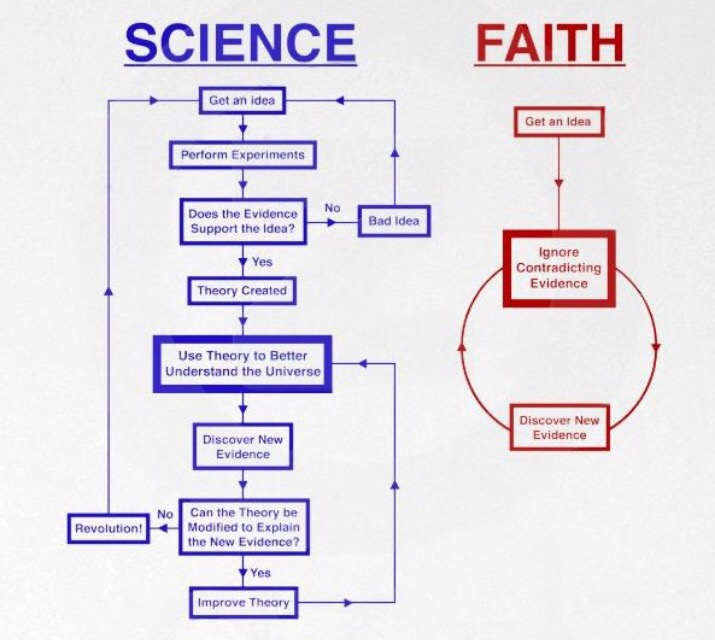
Education here in the Solomon Islands however, is delivered in a very different way. Lessons are often beautifully transcribed from a text book onto the blackboard (remember them?) and then copied, beautifully, into exercise books. Word for word. Fact. There is no debate. Conversation is not encouraged. The opportunity to speak, to question? Never given. There is no room for opinions. As an educator, even in an adult learning environment, I find this frustratingly difficult to deal with. I am far from the omniscient teacher and I expect my work to be challenged: let’s have a heated debate. Please. But I am met with silence. No conversations. No questions. Not one. My word is gospel.
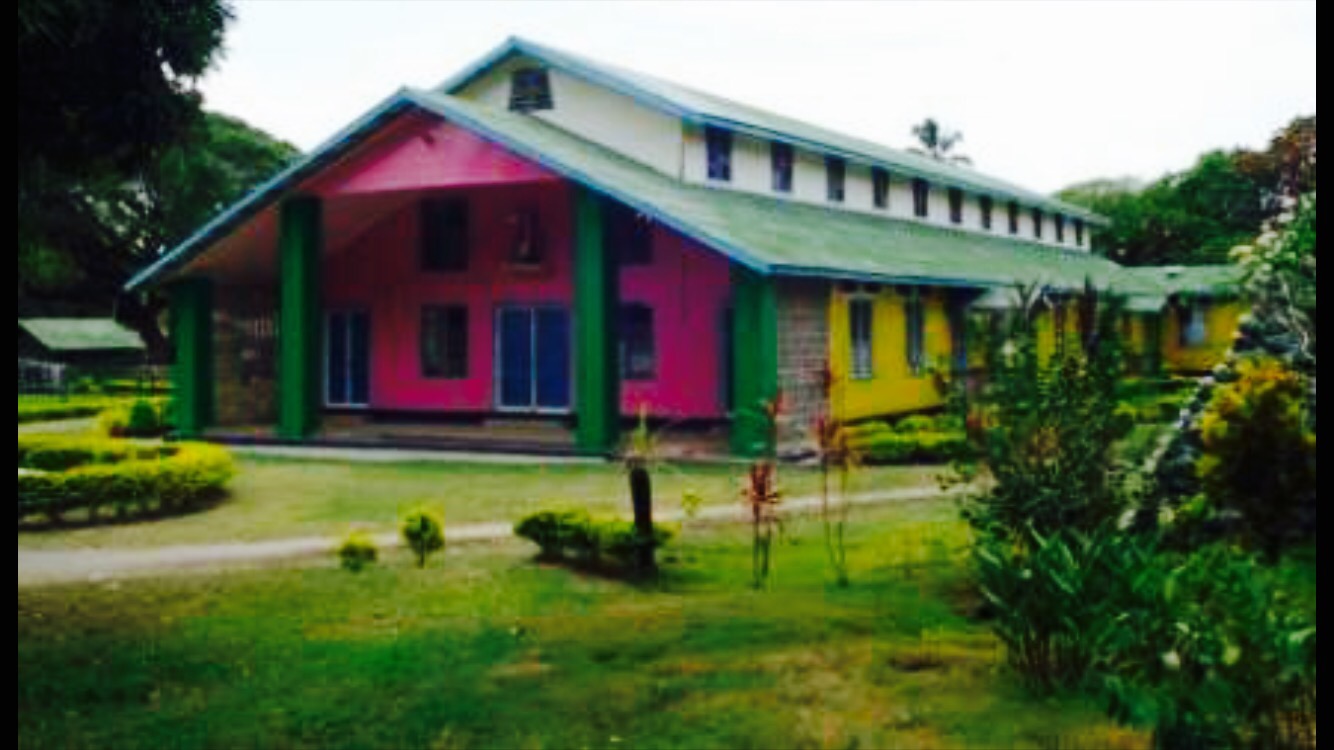
 From this, I think about religion. Religion plays a massive role here in the Solomon Islands. It is everywhere and part of everything. The very idea of atheism unthinkable. And so I pray. Before and after food, I pray. Before meetings, I pray. After Zumba, I pray. I listen to Christianity FM, bible readings every morning and on Sundays, I go to church.
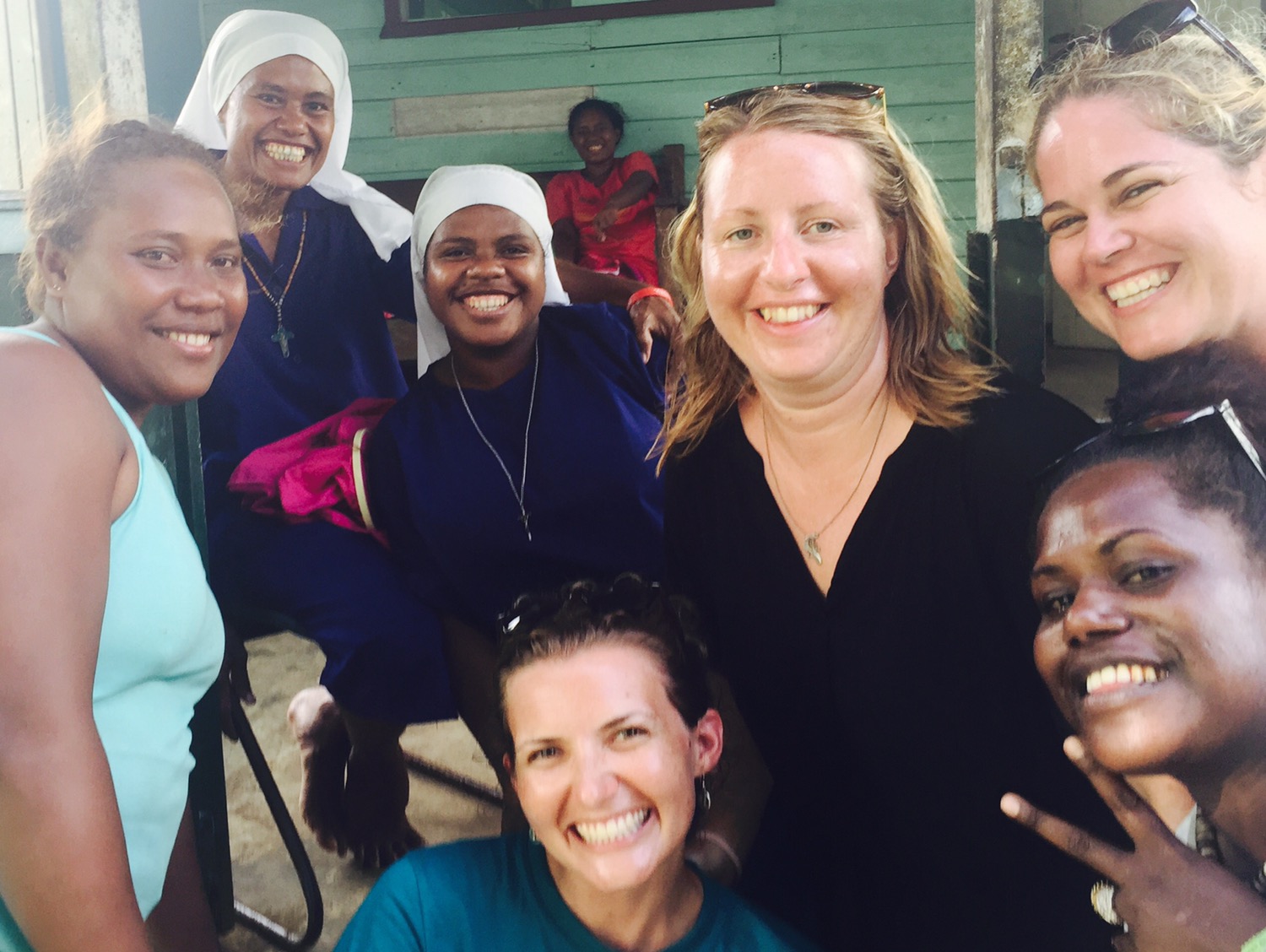
Am I a believer? No, I am not.
Perhaps by way of my up bringing, I was taught to question God when I was about 4 years old. I have a memory of my sister and I getting caught skipping Sunday school. We skulked home, tail between our legs, ready for our punishment. What we found was mum, bereft at the thought that she had tried to enforce (enforce?) her beliefs on us. We sat there, wide eyed as she made us promise to find our own truth in life. At the grand old age of four I think that was ice cream and paddling pools. So I never really learnt about God. I couldn’t tell you what the bible contains, nor the Quran and what I know about Judaism, Hinduism, Buddhism and a thousand more would probably fit on a post card.
What I do question though is this:
If there was a God, why is he so egotistical (or insecure) that he requires everyone to openly worship and idolise him in return for war, disease, hatred and famine?
If there was a God, then why would I, who has lived a good and honest life, be less likely to go to heaven for not believing than those involved in corruption, violence, murder, theft or adultery, yet repent thier sins?
I constantly hear religious verses being used to justify atrocities, to excuse abhorrent behaviour, to build the human ego and to satisfy human greed. I see the spectacle of people constantly judging each other and using scripture to oppress others. What ever happen to love thy neighbour? If their was a God, then why? Why? Why?
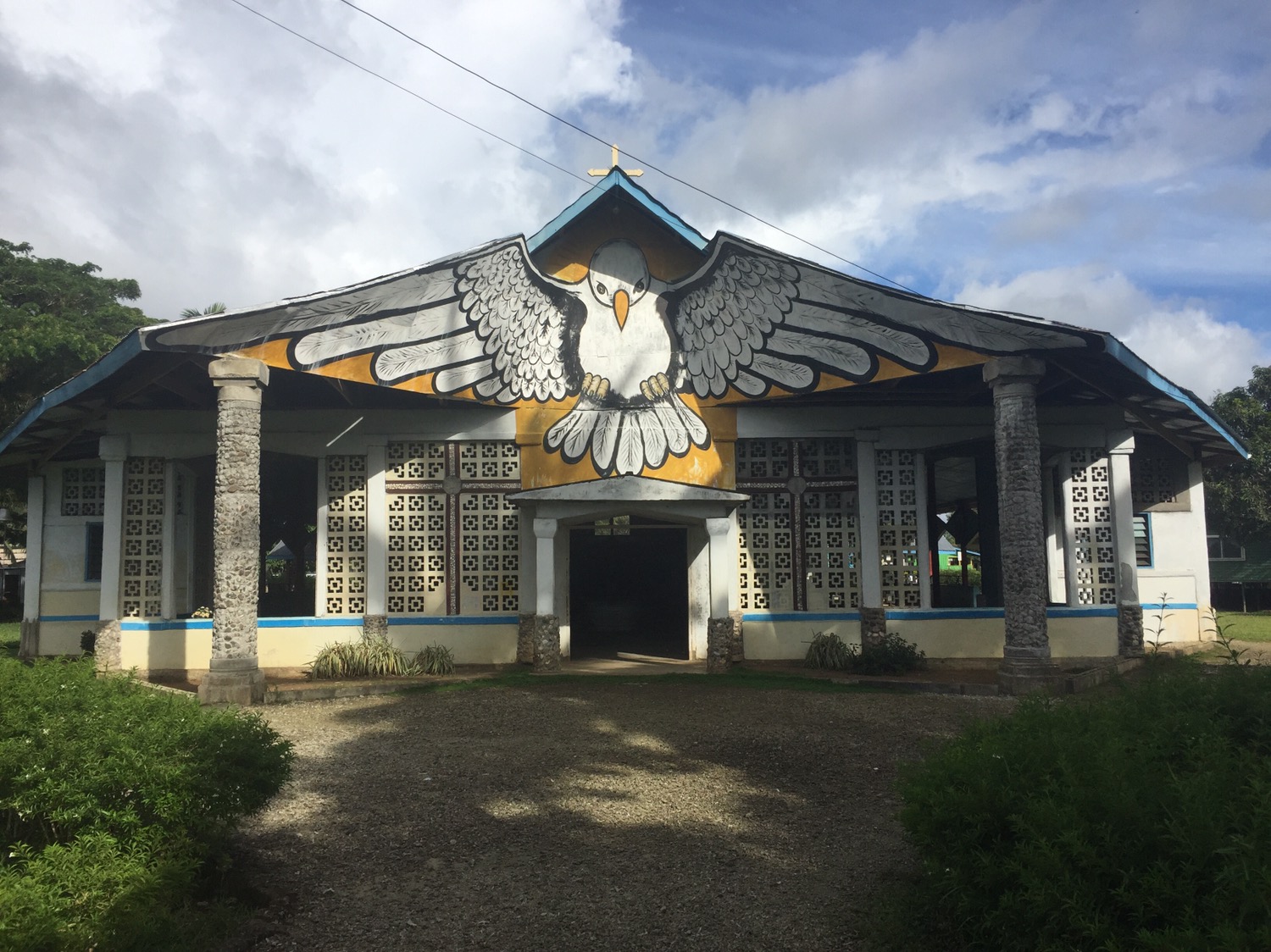
At church, I find the content of some the sermons disturbing. I have listened to sermons that degrade women whilst empowering men, sermons that describe sex as sinful with a first class ticket to the devil, that state that highest form of success is not being able to provide food, shelter or love for your family, no, the highest form of success is a hilux (just ask the MP’s). I take it all with a pinch of salt. The church has such a captive audience who hang off the preachers every word. I despair at the waste of such a valuable opportunity to really make a difference.
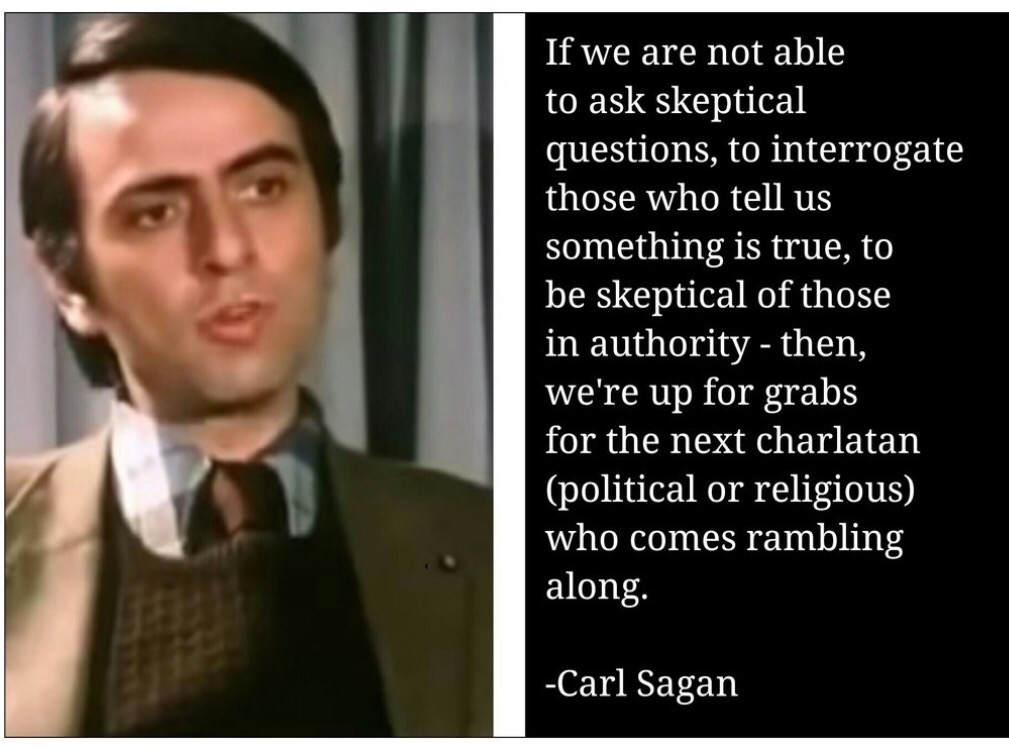
So no. I am not a believer. But I have faith. I think we are all searching for that thing that is beyond us, for the perfect life, for happiness. I have faith in the goodness of people and if I was to believe in anything, I think I would say the law of attractiveness: That if you are good and kind then you will attract goodness and kindness. I have had this theory challenged more times than I care to mention recently but what choice do I have?
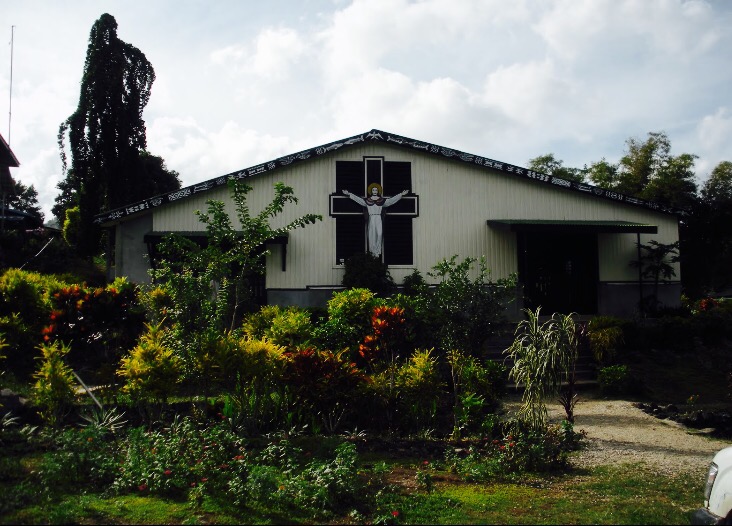
I know I have given religion a good bashing but there are lots of things I appreciate about it. Take praying, most of the time it’s just giving thanks for the things that you have got, asking for guidance to do things better, expressing love and requesting safety for your friends and your family. Gratefulness, something I think we could all do with a little more of. I enjoy some of the sermons and bible readings I listen to. I know, contradictory, but some can be thought provoking and carry worthwhile messages. I find church uplifting, the bright colours, the flowers, the charismatic preachers and the loud, happy, clapping, throw your arms in the air and shout hallelujah singing puts me in a positive frame of mind for the rest of the day.
I was having a conversation with my colleague about poverty and hunger. He concluded: “so that is why we all have religion, to ensure we always have food and shelter”.
Do I think religion is a bad thing? Not always. If your religion gives you hope, peace, security and love then I am in. If it gives you the drive and the ethics to live a better life then I am all for it. If it fills you with gratefulness, confidence and generosity, go for your life. But all the rest? Just not interested.
 annamayventure