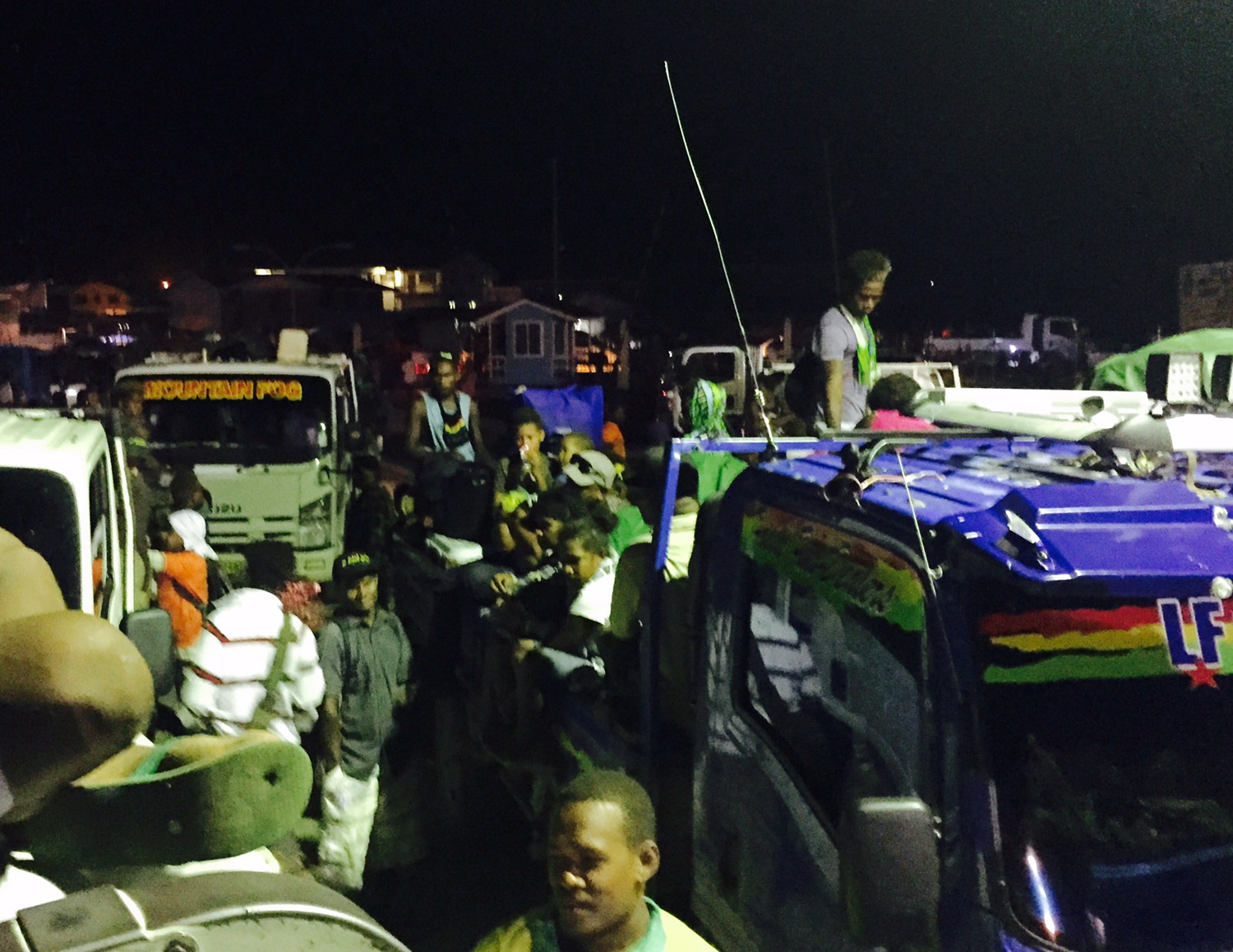
 We climbed onto the back of the truck at 1am. It was already piled high, bodies packed into every space, legs and arm dangling from all sides. Even the roof of the cab was taken by two young boys. The 10 of us managed to cramp into a space the size of single mattress, which was twice as much as any other passenger. It was 2:45 am before the boat had finished unloading and the convoy of trucks started to move out into the black night. We were heading to a remote village in North Malaita about 5 hours drive away.
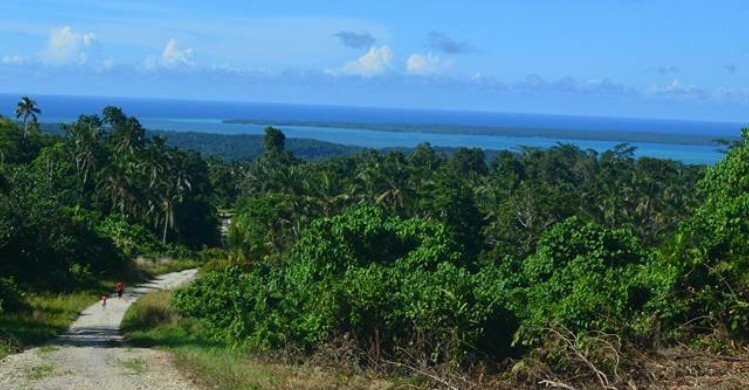
I was clinging to pinches of sleep, constantly jolted awake as the truck lurched and bumped along the dirt road, swaying over unfinished bridges and plunging through rocky rivers. As the darkness lifted, a gloomy glow revealed thick jungle and sky high coconut trees. Every so often the there would be a gap in the dense foliage to reveal a small leaf hut village or powder white sand against the turquoise water.
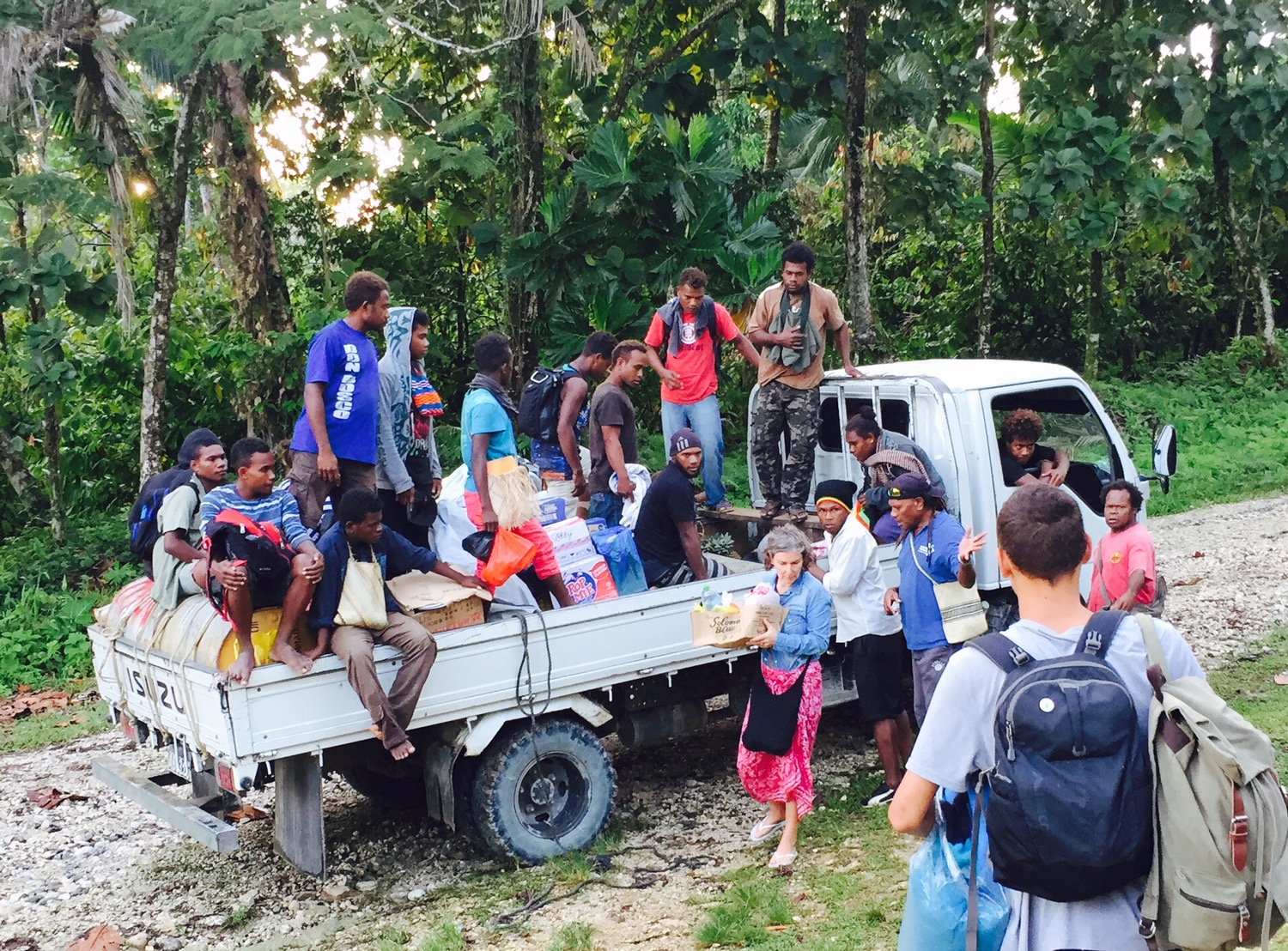
We arrived past dawn and were greeted by the whole village. Young girls, over half my size, grabbed heavy loads from the truck and set off through the villages to what would be our home for the next week.
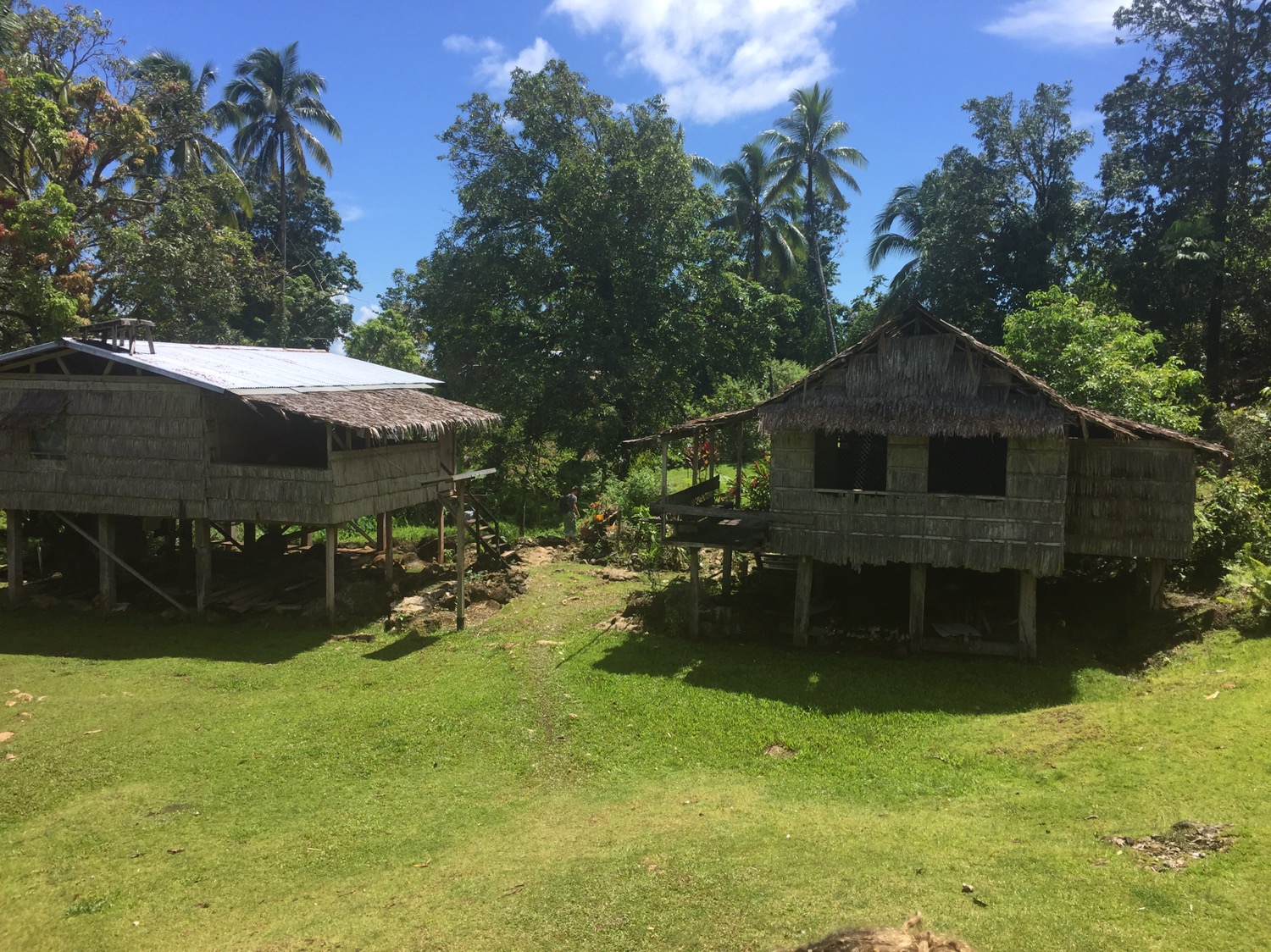
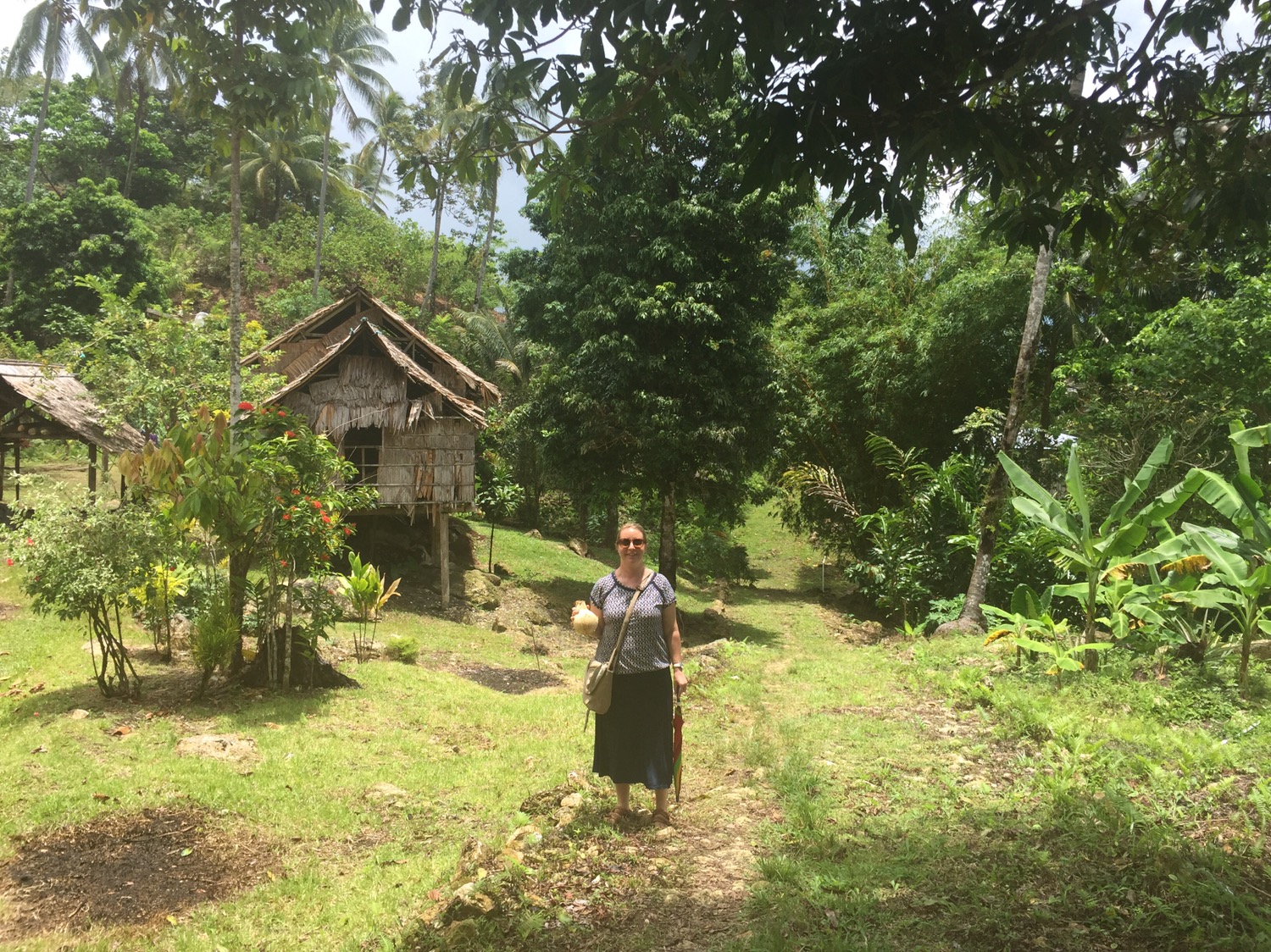
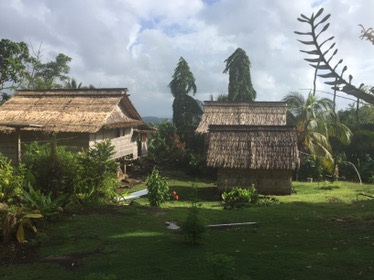 The village was beautiful. Set high in the hills, with clusters of leaf huts by crystal clear streams, the vibrant green of the grass interspersed with brightly colored flowers and plants, red, green and blue parrots in the trees and fat pigs wallowing in the mud. I could see this was a happy, well loved village. The house was luxury. We had fresh water from the stream, running from a tap shower under the house, flushing toilets, solar powered light and gas cooking facilities. We slept.
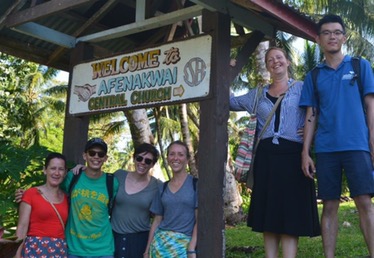 “We” are a group of volunteers. There are a few nurse educators from Honiara, a doctor, a pharmacist, a sanitation adviser and a few others who have come along to help out.
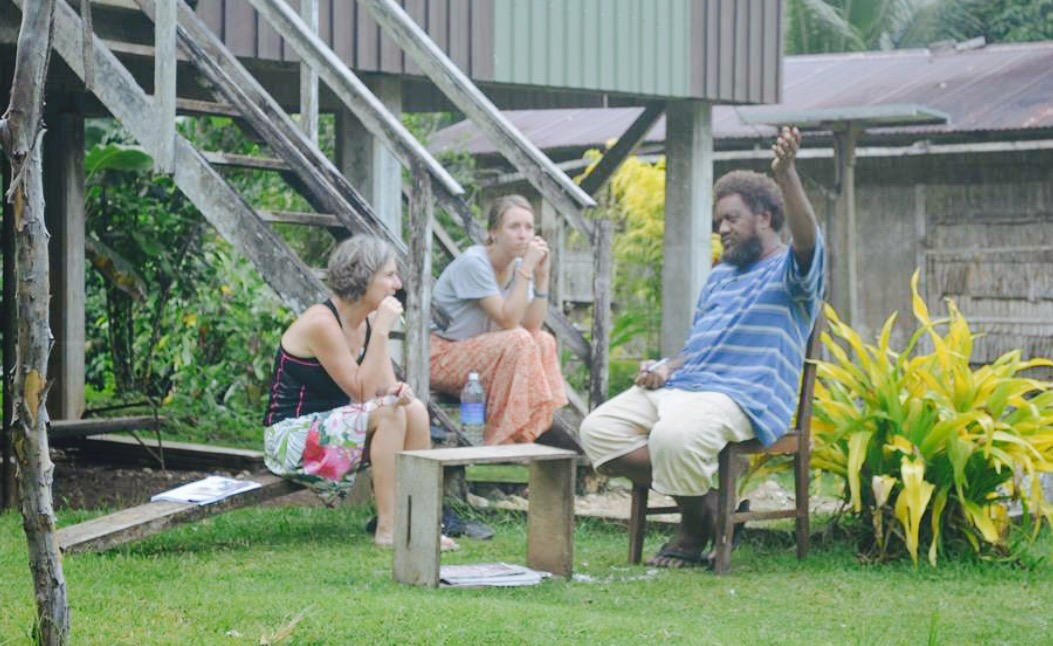
 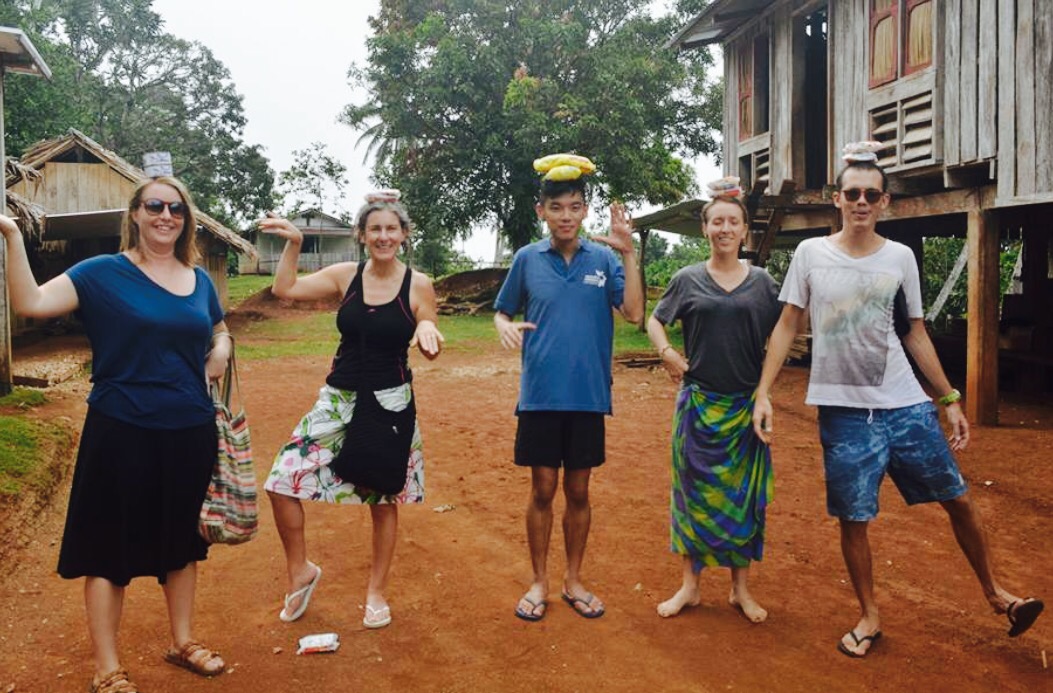 We are staying with Willy, the chief of the village, his wife and their son. I thought I was there for a holiday, maybe a bit of education, who knows. To be honest, I was just tagging along for the ride. We were informed that night that we would be holding a clinic the next day and all the villages, far and wide would be coming. Oh dear. I think we were all a little under prepared and overwhelmed.
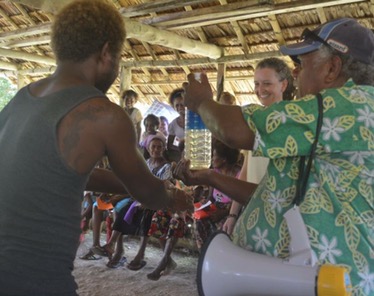
Do you know what? It was brilliant. The place was packed and we did what we could. I took triage outside and the patients were divided between the pikinini (children) clinic and the adults. 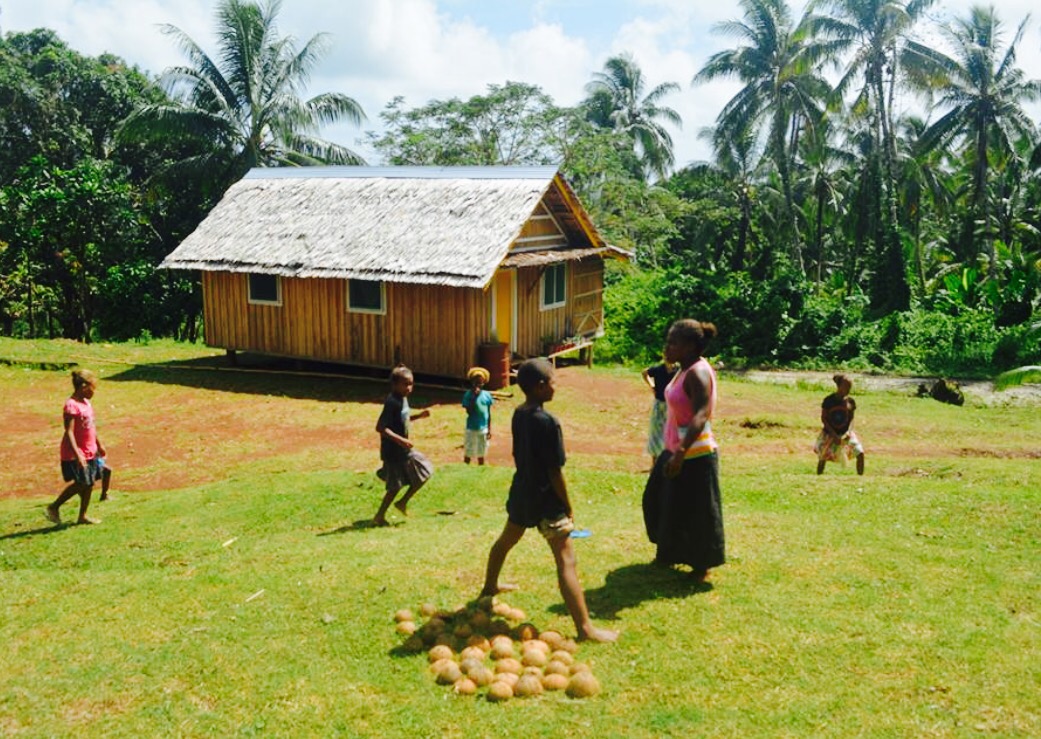 We ran education sessions to the waiting room and played exercise games with the kids. It reminded me a lot of what I did in India.
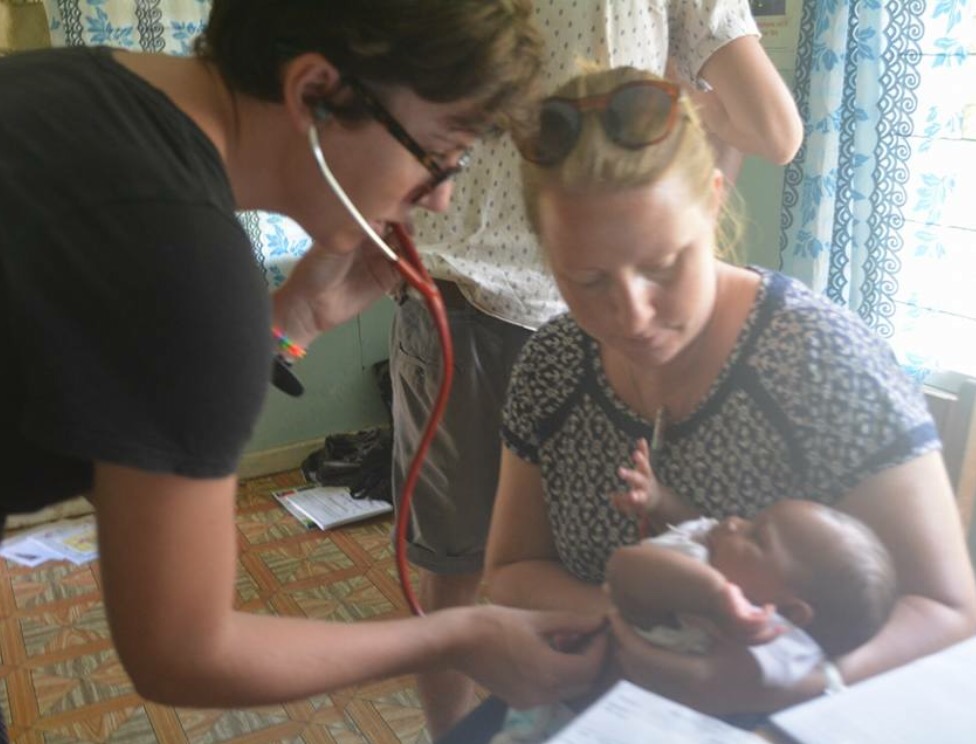 The older generation were worn, ravaged by aches and pains and riddled with arthritis brought on by a life of hard manual labor. The kids though were fat and healthy, a happy sight to see. We saw a few sick people, some we couldn’t help which was hard.
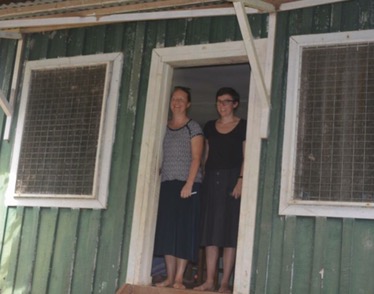 This clinic is run by a nurse aid, no doctor, no ambulance, no help, no phone, no internet, no books, no guidelines and barely any education. Peter (the nurse aid) takes it all in his stride. They do what they can. Mostly though, I think we were entertainment. A friendly smile, encouraging words and just a sign that someone, somewhere cares can do a lot for a community.
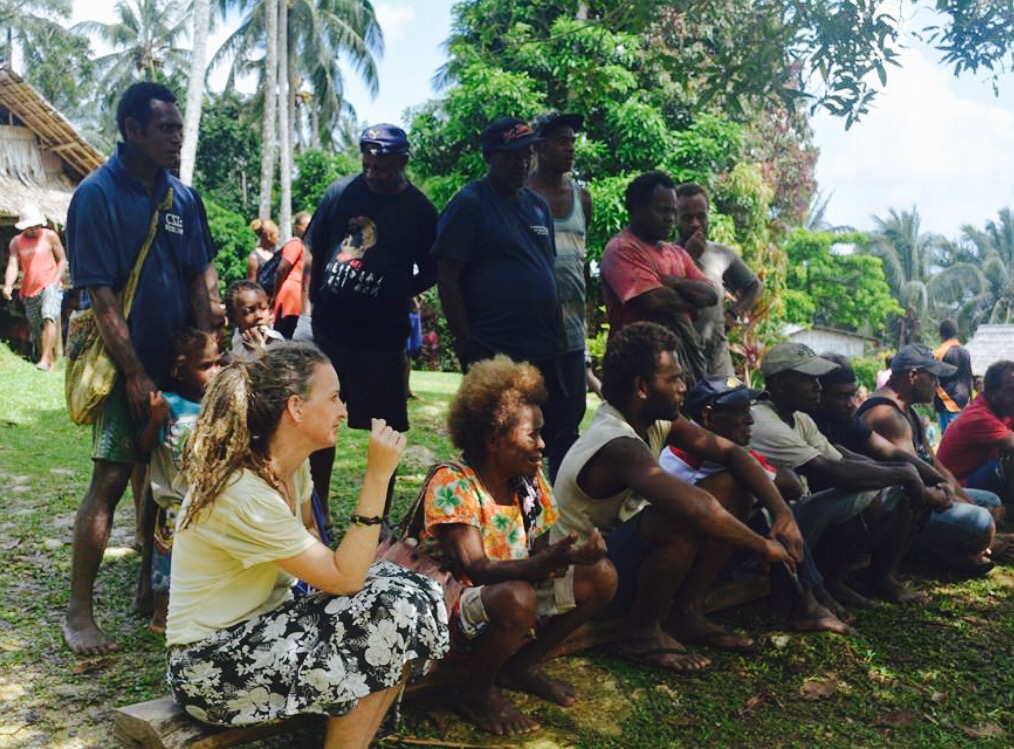
The next day we headed up to the local school. In true Solomon style we were whisked onto the stage in front of the whole school.
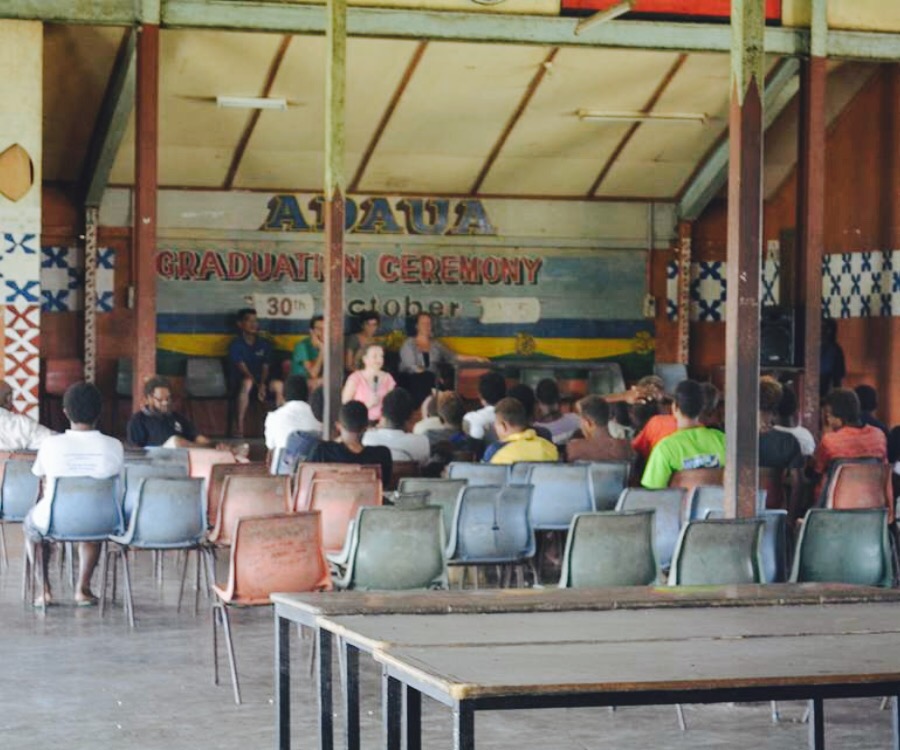 One by one we were introduced, our topic of teaching announced as if we had already known and planned for this surprise event. Again, it went well. Another nurse and I acted out our DRSABC assessment with the teachers being made to re-enact what they had learnt. I was highly impressed with our ability to deliver an impromptu education session that was both amusing and informative.
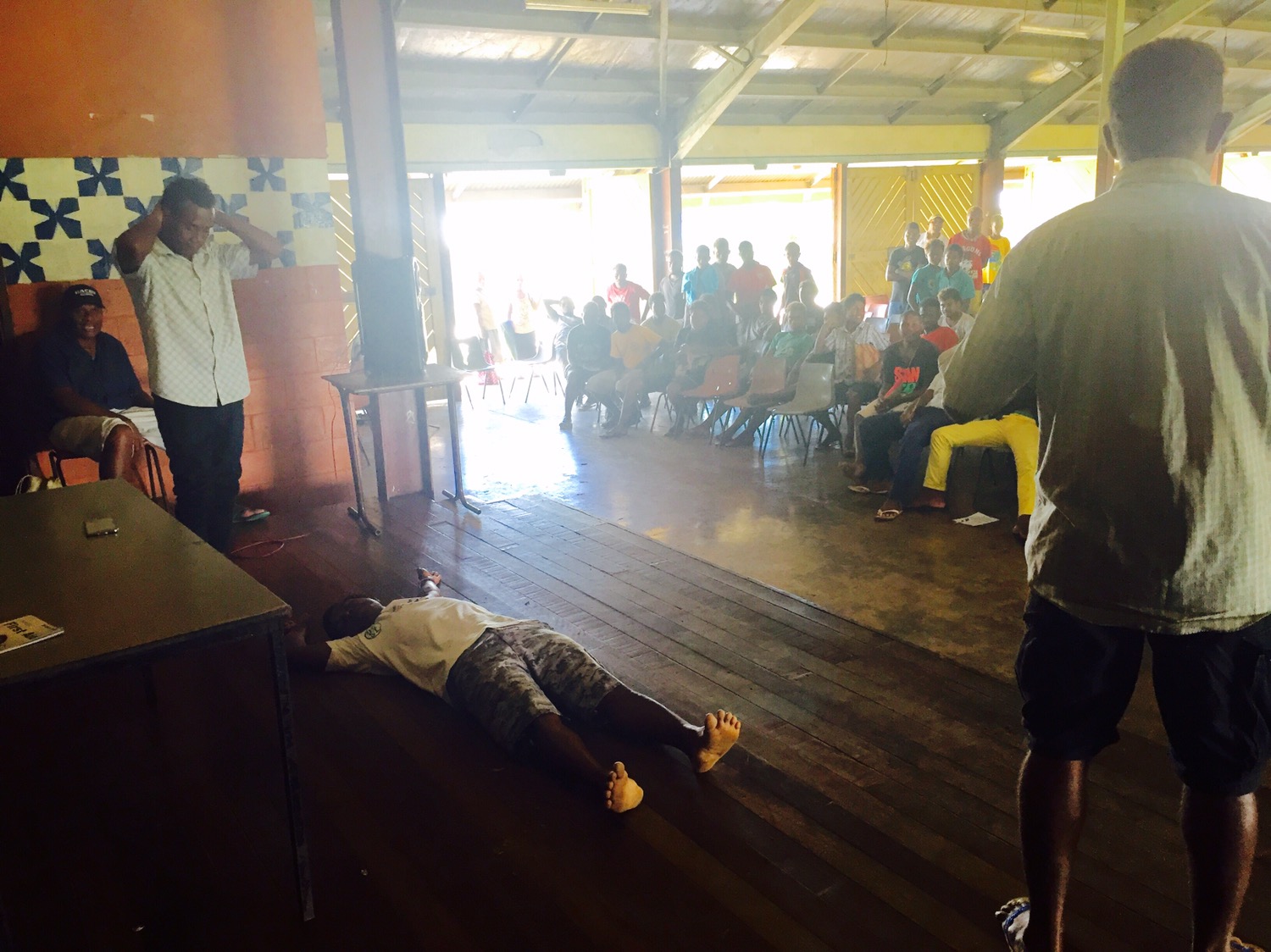 However, I believe I may have caused great offense when I corrected a male teacher in front of the school in addition to standing over a man laid on the floor. Double whammy with a dollop of cringe on the top! Luckily, despite the gasps, nothing was said but I think I also learnt a few lessons that day. Oops.
Of course it wasn’t all work and no play. We were treated like kings in our time off.
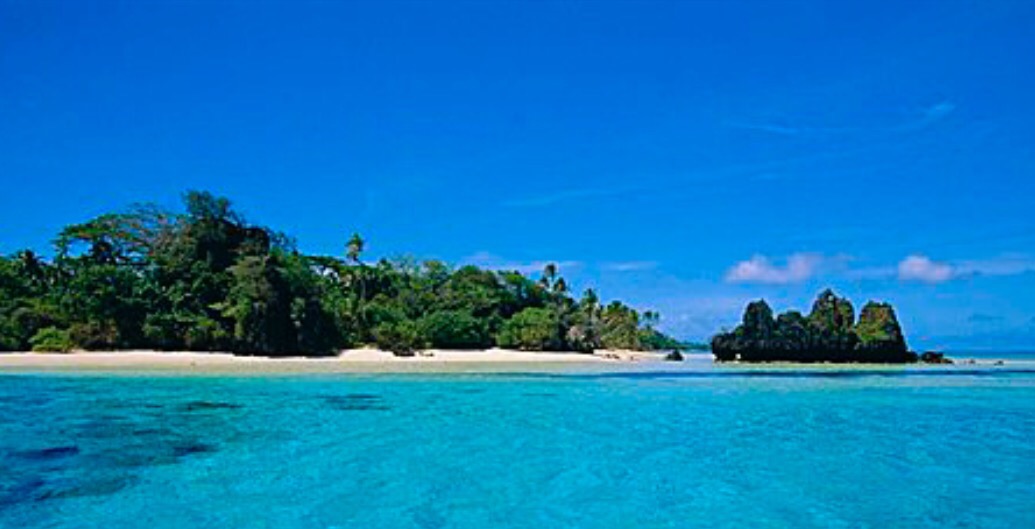
 We went swimming in the river, took a trip out to Lau Lagoon where we rested on untouched white powder beaches and swam in crystal clear warm waters,
  played games with the children from the village and ate buckets of vegetables delivered by happy villages fresh from their garden.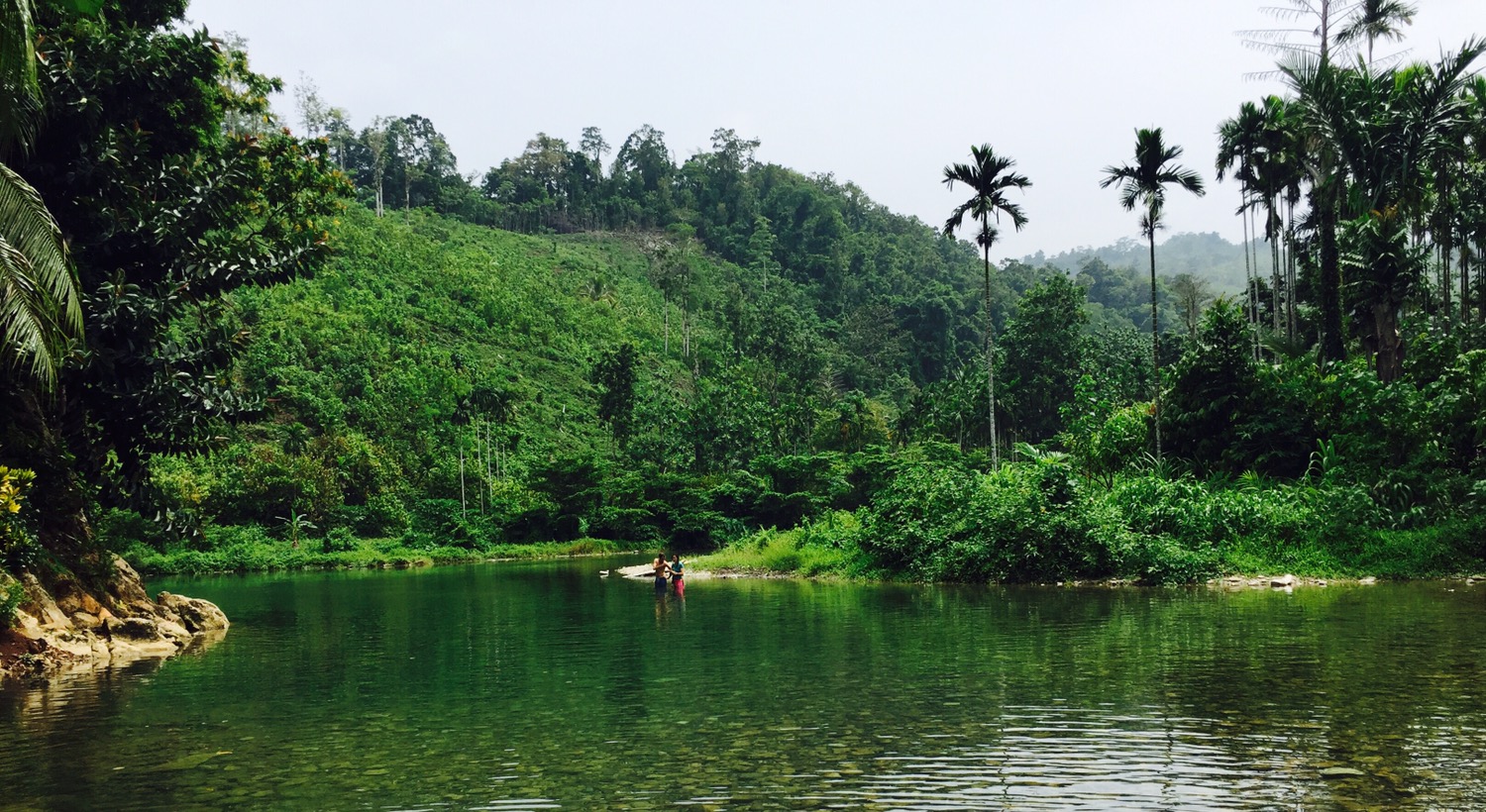
We spent the weekend at Serah”s Lagoon Hideaway, an artificial island set in the Langa Langa Lagoon.
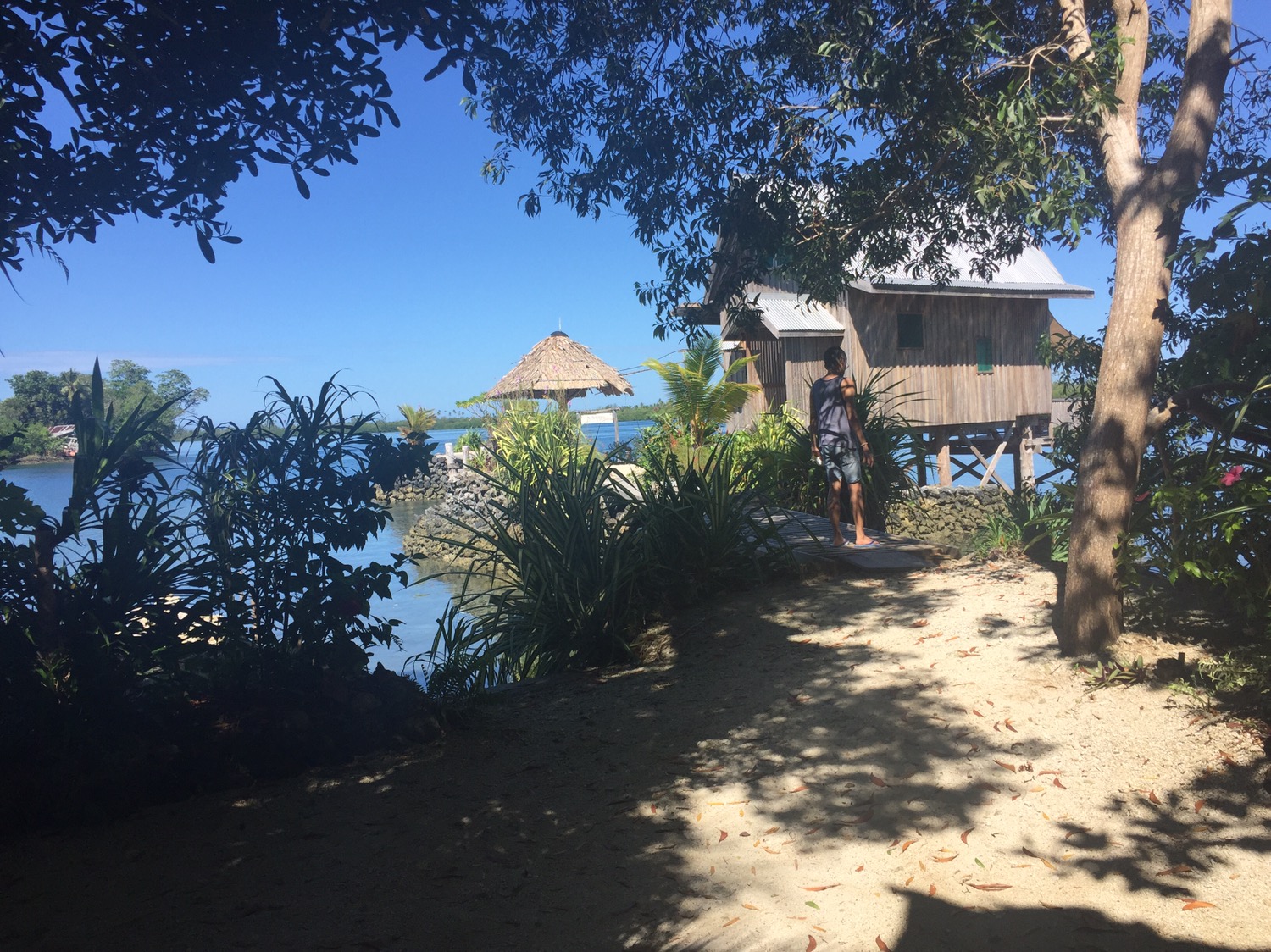 The story goes that hostilities among the inlanders of Malaita forced people into the lagoon. Over time they built their islands on sandbars after diving for coral.
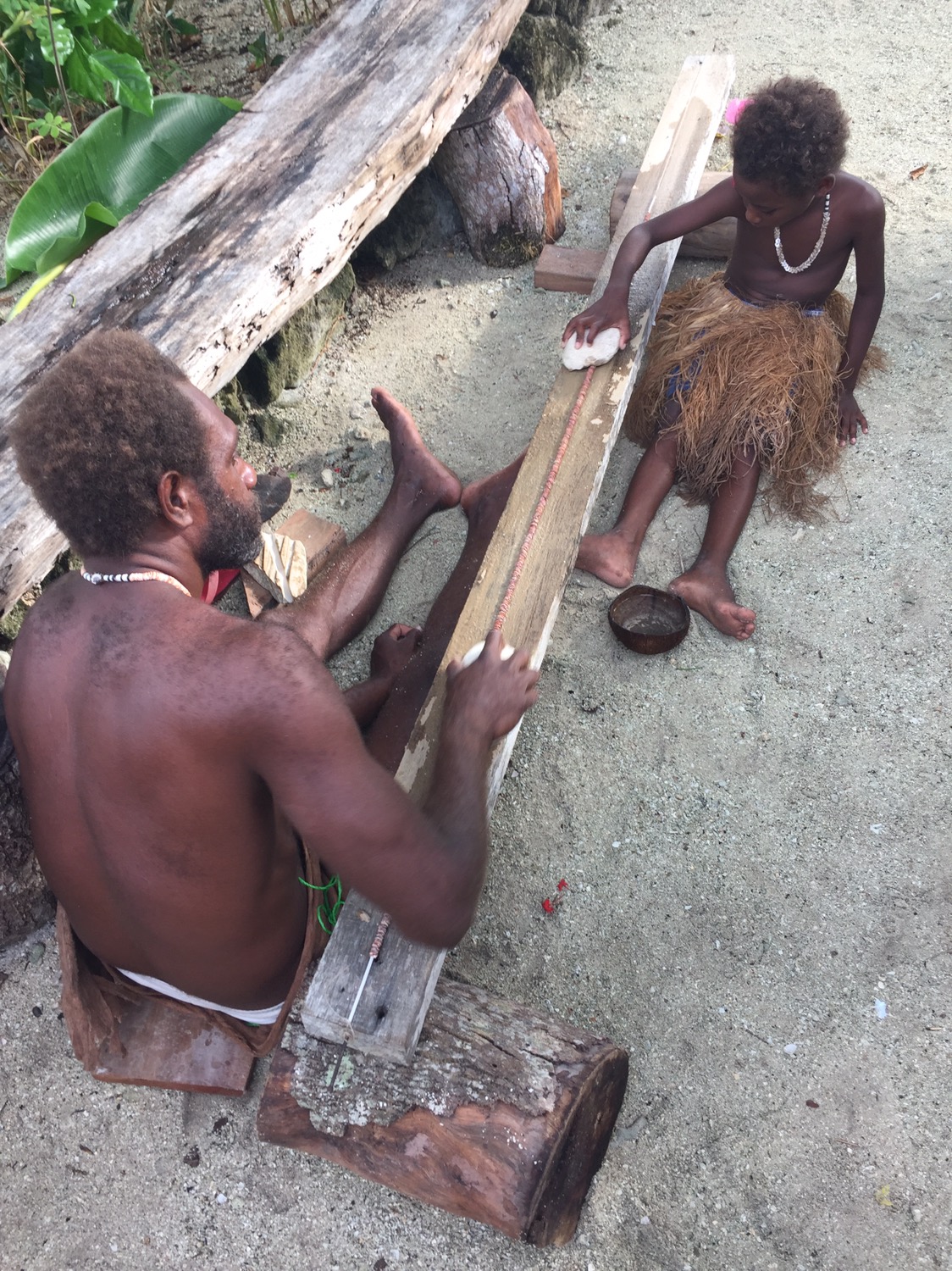
  The islands in the lagoon are renowned for their shell money minting process, their “shark worship” beliefs, their shipbuilding skills and tourism.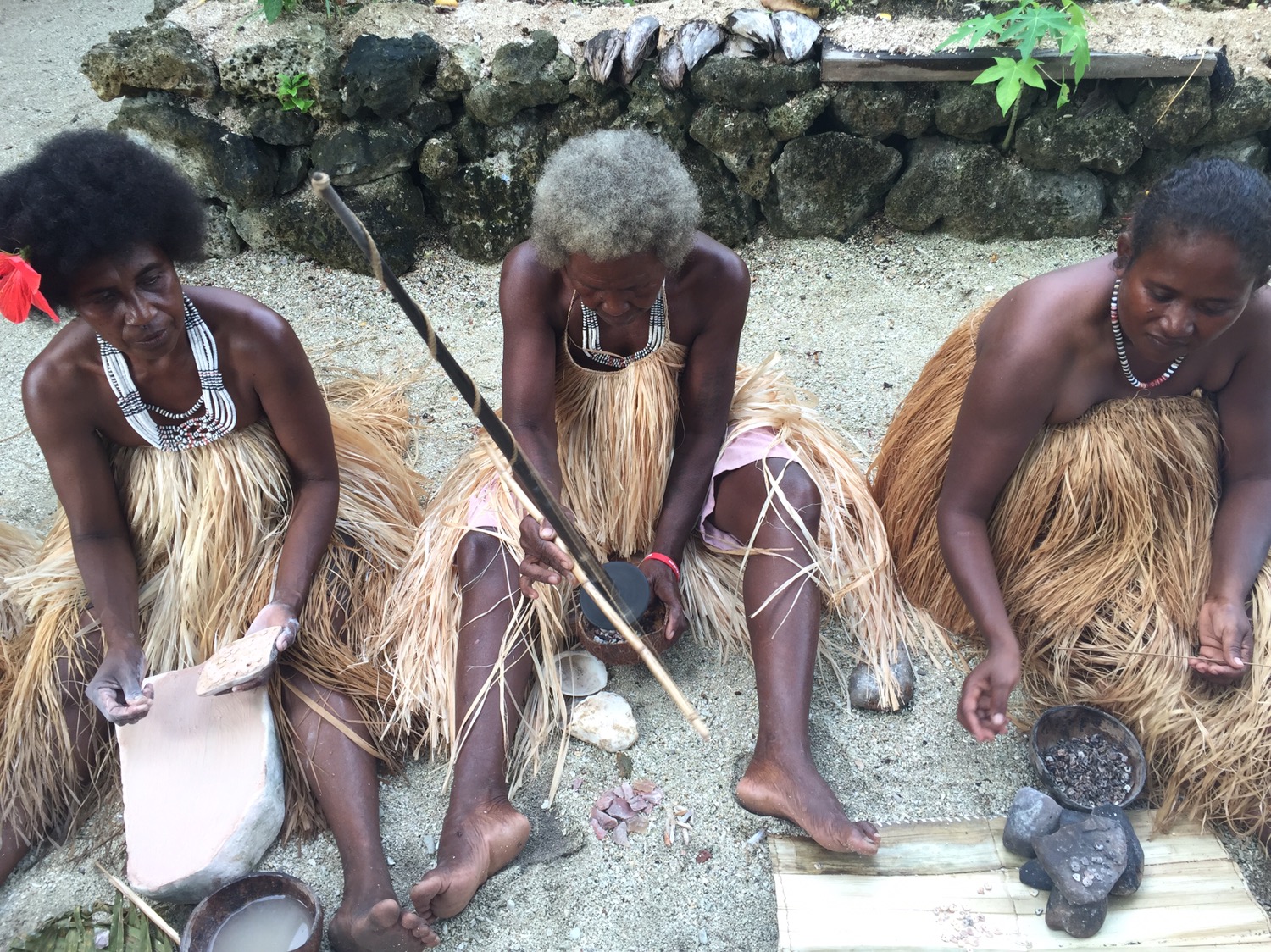
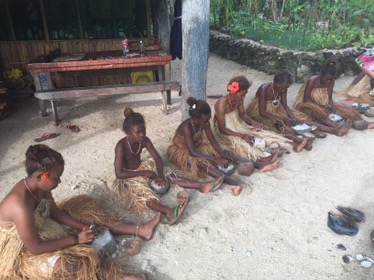 It is a beautiful place and amazingly, we had the whole resort to ourselves. We stayed in huts over the lagoon, snorkeled, ate and drank cold beers.
  It was the perfect end to an amazing week.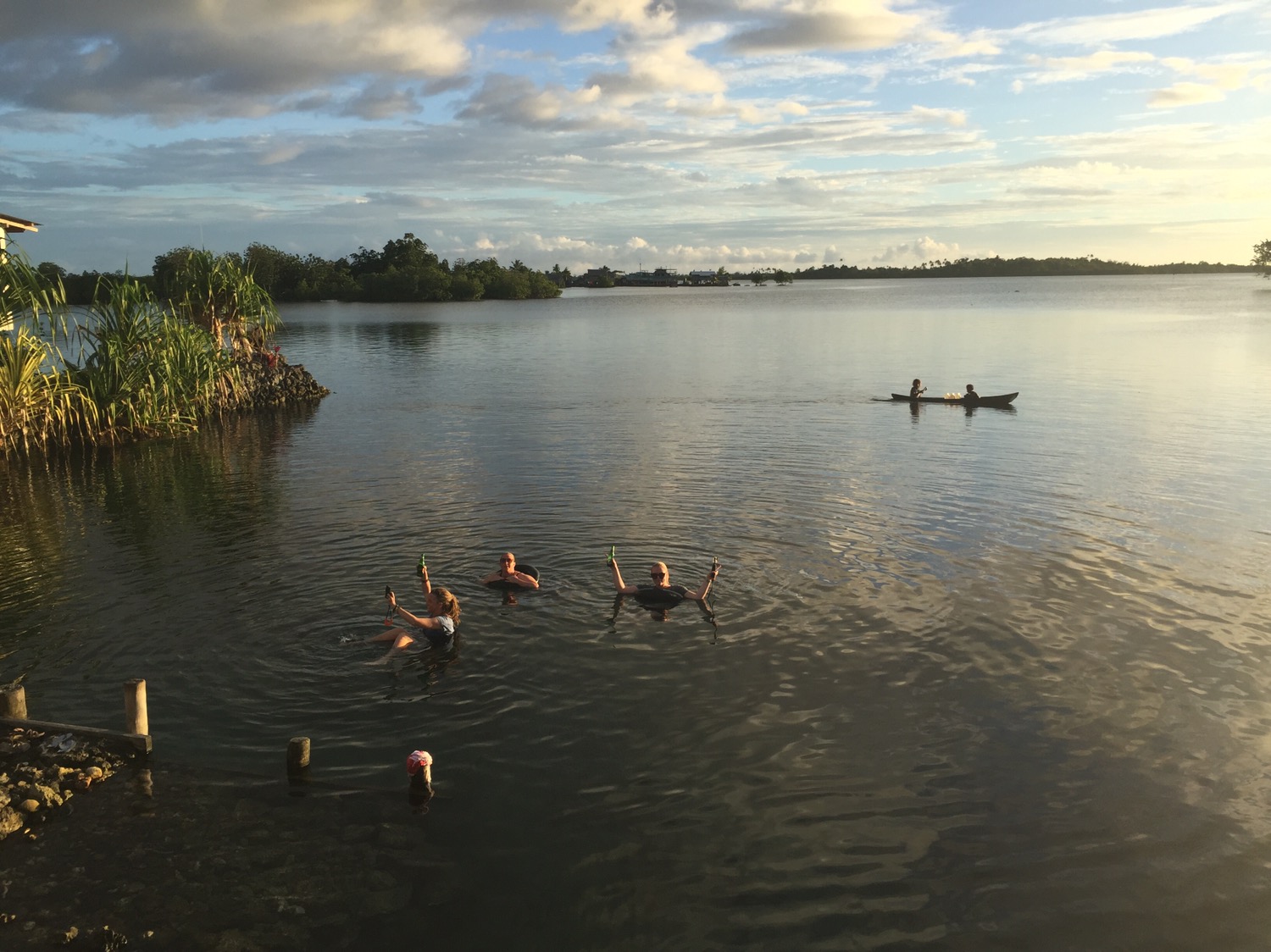
Monday morning back at the office and I am duly informed that I am to organise a fundraising BBQ and dance to help send nurses to the South Pacific Nursing Forum.
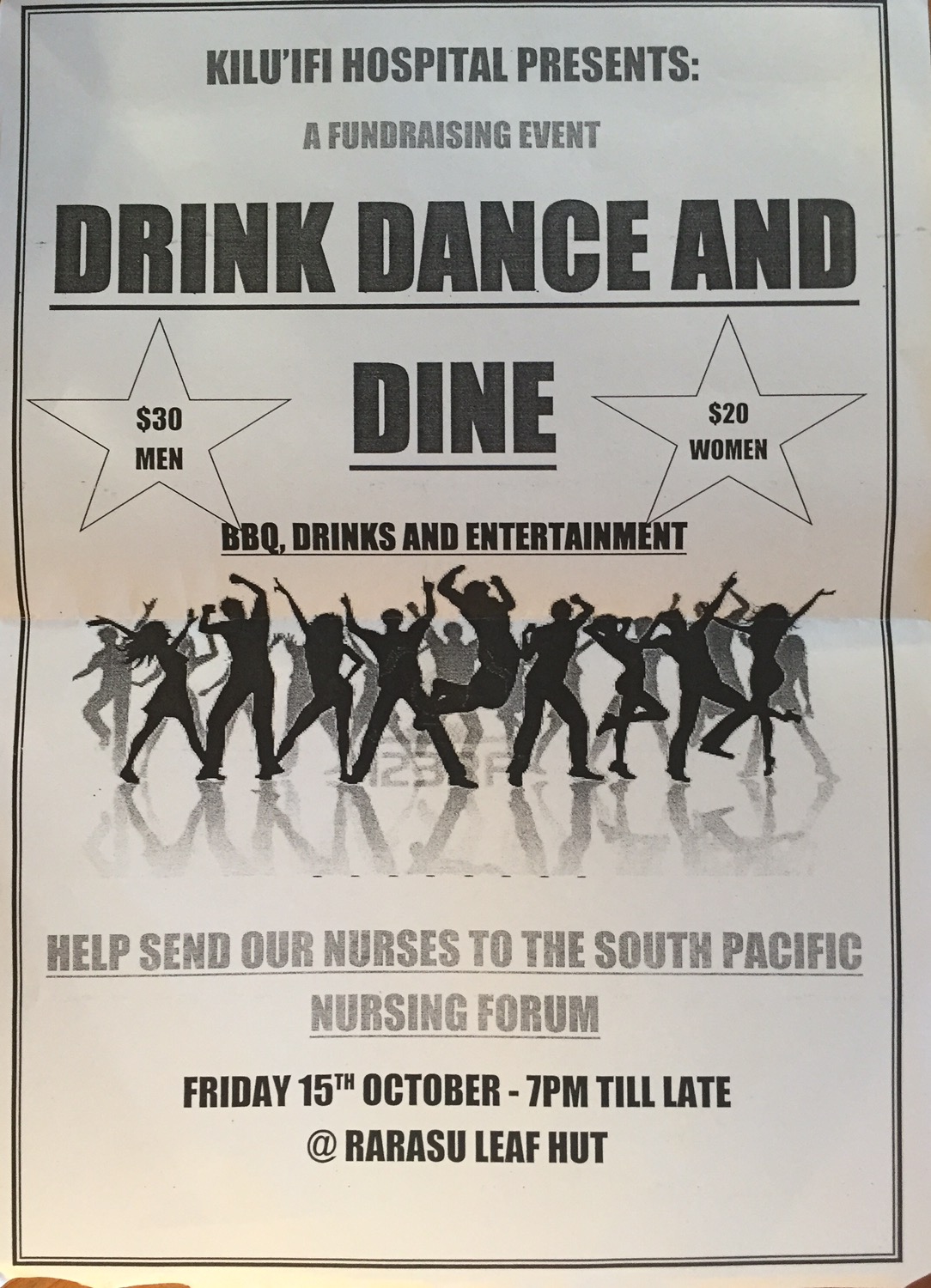 I will also be expected to participate in a South Malaitan cultural dance (coconut bras and grass skirts at the ready). Cringe! and can I organise a three day workshop for hospital supervisors next month to help them prepare for big changes in 2017! Plus we have two new toys………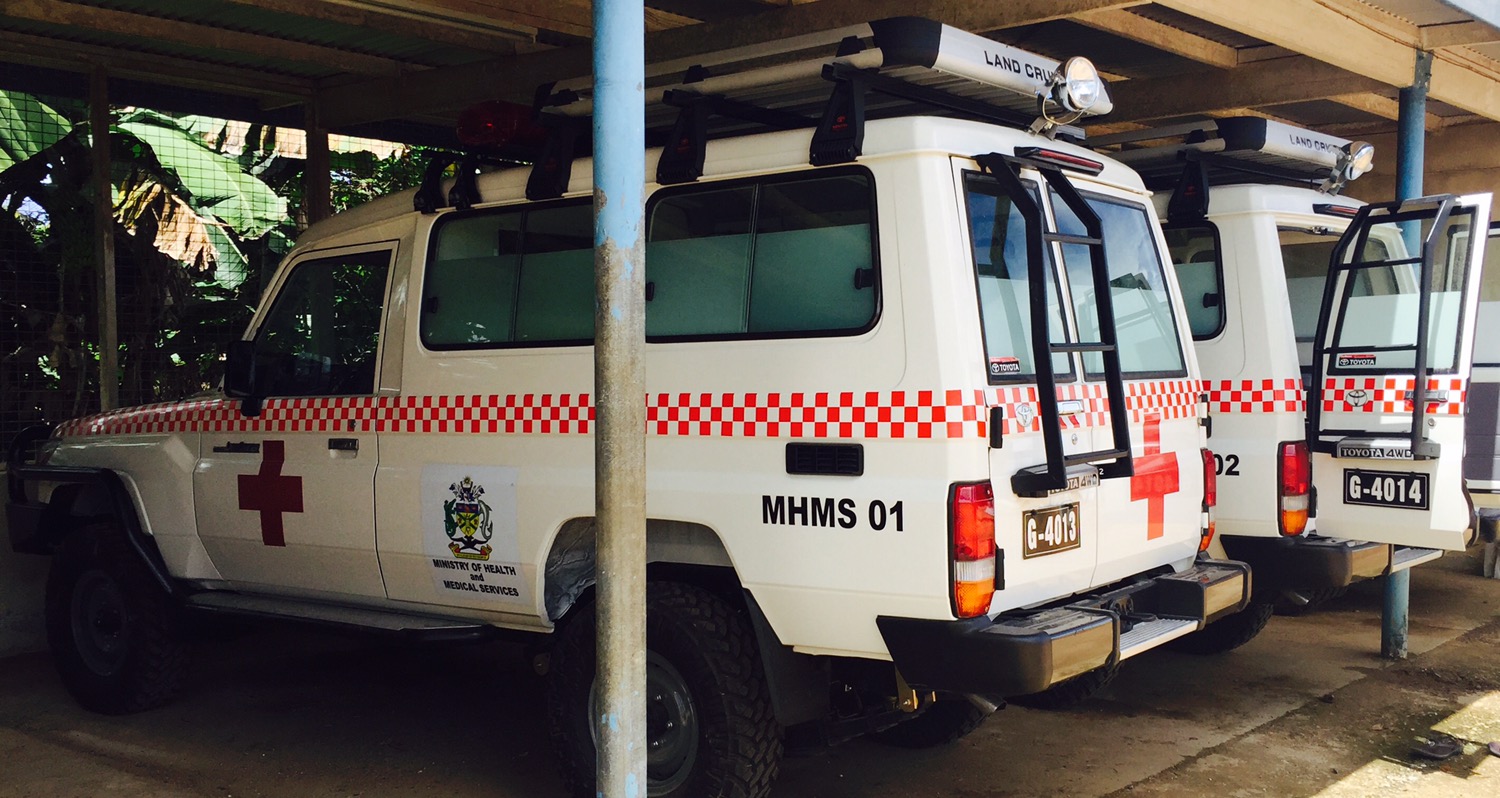
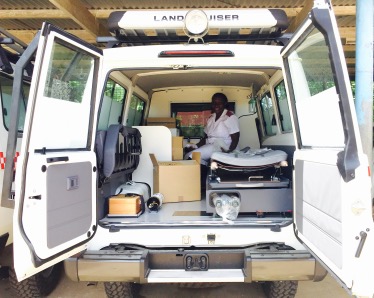
And guess who gets to do all the training? All in a day’s work here in the Solomon Islands.
 annamayventure
How good can it get? Have you contacted Kate Aidie?
LikeLike